Is reverse osmose het geld waard? Many homeowners and businesses wonder if investing in a reverse osmosis (RO) water filtration system truly justifies the initial and ongoing expenses. Given the variety of filtration options available, it’s important to understand what sets reverse osmosis apart, its financial implications, and the broader benefits it offers. This guide breaks down the costs, health advantages, and practical benefits so you can make an informed choice about whether reverse osmosis is the right investment for your water quality needs.
Understanding the Costs Involved in Reverse Osmosis Systems
Initial Purchase and Installation Expenses
The starting point when considering reverse osmosis is the up-front cost. Prices can vary widely depending on the system type—whether it’s an under-sink point-of-use (POU) unit or a whole-house point-of-entry (POE) system. On average, a residential RO system can cost between €150 and €4,000 or more, depending on the features, brand, and size. Professional installation typically adds €300–€1,500 depending on the system complexity and whether additional plumbing or electrical work is required.
Ongoing Maintenance and Operating Costs
After installation, there are recurring costs to keep your system effective and reliable. These include:
- Filter replacements approximately every 6 to 12 months, costing €50–€150 per set depending on the system complexity
- Membrane replacement every 2–4 years, averaging about €150–€400
- Water and electricity use — RO systems consume more water due to the filtration waste, as well as electricity if equipped with pumps
Although these expenses add up, they are typically lower than the ongoing costs of purchasing bottled water or the damage caused by poor water quality.
The Benefits That Make Reverse Osmosis Systems Worthwhile
Superior Water Purification
Reverse osmosis filtration removes up to 99% of contaminants: dissolved salts, heavy metals, chlorine, pesticides, viruses, and bacteria. This level of purification is hard to match with other filtration methods. For households with concerns about tap water safety, taste, or hardness, RO systems provide consistently clean, pure water for drinking, cooking, and even bathing.
Health and Taste Improvements
By removing impurities, RO water tastes fresher and smells neutral. Many users notice clearer ice, better coffee, and improved cooking results. Health-wise, removing harmful contaminants reduces exposure to pollutants such as lead or PFAS, supporting overall wellness. Additionally, some systems include remineralization stages, which add beneficial minerals back to the purified water, balancing taste and health benefits.
Environmental and Convenience Advantages
Reducing Plastic Waste
One significant benefit often overlooked is the ecological impact. Using a reverse osmosis system at home dramatically reduces reliance on bottled water, cutting plastic waste and carbon emissions from production and transport. This aligns with a more sustainable lifestyle and contributes positively to environmental preservation.
Convenience and Reliable Supply
With an RO system installed, you have continuous access to clean water without manual purchases or deliveries. This convenience is especially valuable for families, busy households, or businesses that need consistent water quality without interruptions or variability in bottled sources.
When Does Reverse Osmosis Make the Most Sense?
Evaluating Water Quality and Usage Needs
RO systems are particularly valuable for homes using well water, municipal supplies with questionable quality, or regions with hard water and chemical contaminants. Assess your specific water challenges through testing to determine if RO is the most effective solution. Homes with multiple bathrooms and higher water usage may benefit from whole-house systems to protect plumbing and appliances.
Weighing Financial and Health Priorities
If your main concerns are taste, odor, and occasional impurity removal, simpler filtration options might suffice. However, if you’re looking to remove a broad spectrum of contaminants or reduce bottled water expenses, investing in reverse osmosis has clearer long-term value. For sensitive populations—children, elderly, or those with health conditions—the additional safety margin RO provides is often worth the cost.
How to Maximize Your Reverse Osmosis Investment
Choosing the Right System
Select a system tailored to your household size and water quality. For most residential users, an under-sink RO system is cost-effective and provides great tasting water for drinking and cooking. Larger homes or commercial applications might require a whole-house system, which protects faucets, showers, and appliances but comes with higher upfront costs.
Maintenance and Professional Support
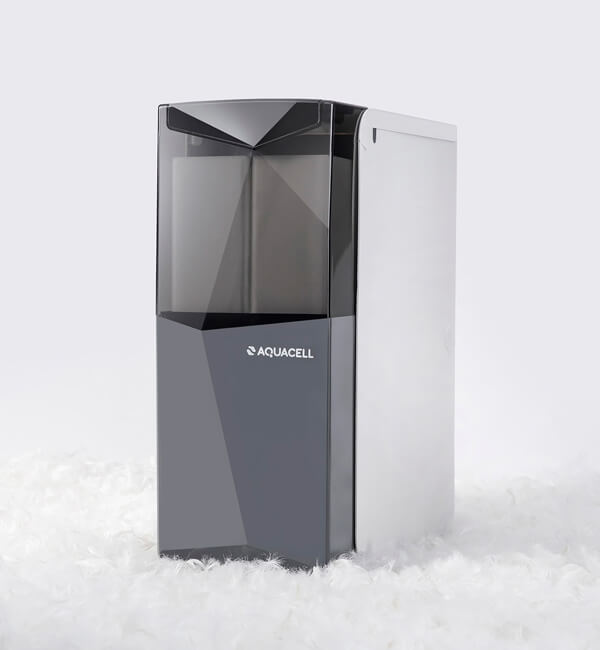
Regular maintenance based on manufacturer recommendations maintains system performance and longevity. Purchasing from reputable brands that offer warranties and easy access to replacement parts and technical support ensures your system stays reliable and cost-effective over time. For example, the Pure Aqua complete home water filter system offers a comprehensive, durable solution with simple maintenance plans suitable for Dutch households.
Pros and Cons of Reverse Osmosis Systems
- Pros: Exceptional purification, health benefits, improved taste, lower plastic waste, consistent water supply
- Cons: Higher initial and maintenance costs, water wastage during filtration, removal of beneficial minerals unless remineralized
Understanding these trade-offs helps set realistic expectations and ensures your chosen system meets your needs effectively.
Final Thoughts: Is Reverse Osmose Het Geld Waard?
Ultimately, the question is reverse osmose het geld waard depends on your water quality concerns, budget, and long-term health priorities. While the upfront and ongoing costs require consideration, the significant benefits in contaminant removal, taste improvement, health safety, convenience, and environmental impact often justify the investment. By selecting the right system, maintaining it properly, and understanding your water needs, reverse osmosis can be a highly valuable addition to your home or business. To explore quality options, consider reviewing complete systems like Pure Aqua’s full home water filter system that combine efficiency with reliability—an excellent way to ensure you get the most out of your investment.