
Dutch tap water is known for its excellent quality and purity. It contains several essential minerals, such as calcium and magnesium, which play a key role in maintaining strong bones and teeth, and healthy heart function. Furthermore, tap water helps your body stay hydrated, which is essential for proper digestion, temperature regulation, and other bodily functions. Drinking tap water can also enhance the flavor of your favorite beverages, such as coffee and tea, because the minerals present enhance their flavor profiles. By regularly drinking tap water, you not only benefit from these health benefits but also contribute to a more sustainable environment by reducing the use of plastic bottles.
- Contains essential minerals that contribute to health
- Supports hydration and well-being
- Significantly improves the taste of drinks
- Contributes to a sustainable lifestyle
Is it safe to drink Dutch tap water?
Dutch tap water is among the safest in the world, thanks to strict European standards and ongoing monitoring by water companies. These companies ensure the water is free of harmful substances by regularly testing and purifying it. The water is treated using various methods, such as filtration and disinfection, to ensure it is healthy and safe to drink. As a consumer, you can drink tap water with confidence, knowing it meets high quality standards. Moreover, the Netherlands' infrastructure ensures clean and reliable water, even in older homes where pipes may be outdated. This ensures that Dutch tap water remains a reliable source of hydration for everyone.
Drink tap water regularly and trust that you have access to one of the safest water sources in the world.
How does tap water compare to bottled water?
While both tap water and bottled water have their own advantages and disadvantages, tap water offers several advantages over bottled water. First, tap water is significantly cheaper, as there are no additional costs for packaging and transportation. This makes it a cost-effective choice for daily hydration. Furthermore, tap water has a lower environmental impact because no plastic bottles are required, which contributes to the reduction of waste and pollution. The taste of bottled water can vary depending on the source and added minerals, while tap water offers a consistent composition thanks to strict quality controls. Ultimately, the choice between tap water and bottled water comes down to personal preferences regarding taste, budget, and environmental awareness.
- Tap water is significantly cheaper than bottled water
- Tap water has a lower environmental impact by avoiding plastic waste
- Taste differences depend on the source of bottled water
- Tap water offers consistent quality through regular checks
Make a conscious choice between tap water and bottled water based on your taste preferences and sustainability goals.
Influence of pipes on the quality of tap water
The quality of your home's pipes can significantly impact the quality of your tap water. Older pipes, especially those made of lead, can release potentially harmful substances into the water, posing health risks. However, in the Netherlands, strict regulations and guidelines exist to address this problem and ensure water quality is not compromised. It's important to regularly check the condition of your pipes and replace them if necessary, especially in older homes. New pipes made of materials like copper or plastic are safer and can contribute to better water quality. By being proactive about your home's infrastructure, you can enjoy cleaner and healthier tap water.
Check the pipes in your home regularly and take action to ensure water quality.
How is tap water purified in the Netherlands?
The tap water purification process in the Netherlands is thorough and advanced, designed to ensure that the water is safe and clean for consumption. The process usually begins with sedimentation, which removes solid particles from the water. Then, the water undergoes filtration, which eliminates impurities and microorganisms. Disinfection is another crucial step, often performed using chlorine or UV light to kill bacteria and viruses. Furthermore, advanced technologies like reverse osmosis are increasingly being used to remove up to 99% of unwanted substances. These comprehensive methods ensure that the tap water you drink is not only safe but also fresh and pleasant to the taste.
Rely on the advanced purification methods in the Netherlands for a constant supply of clean and safe tap water.
What to do if you have doubts about water quality?
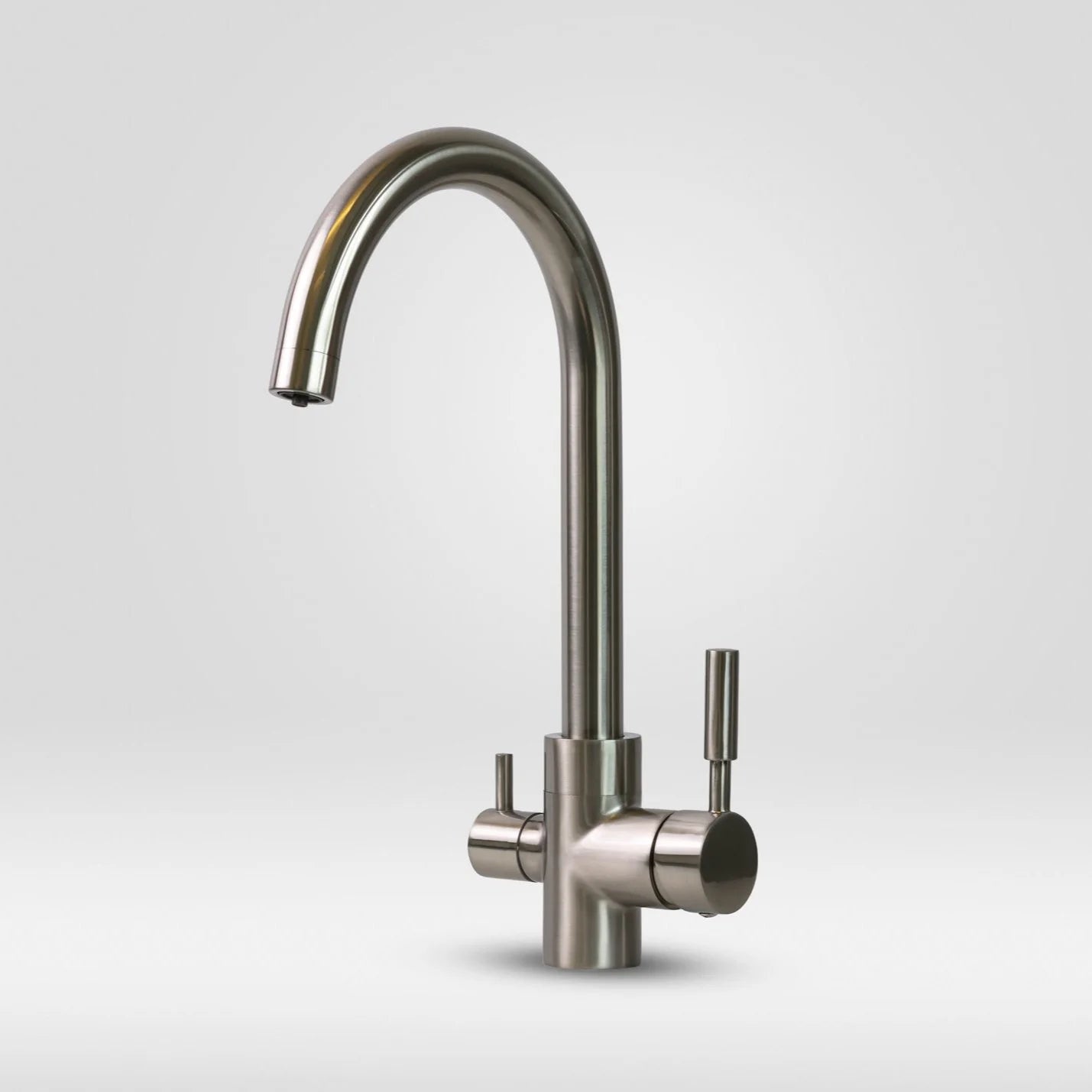
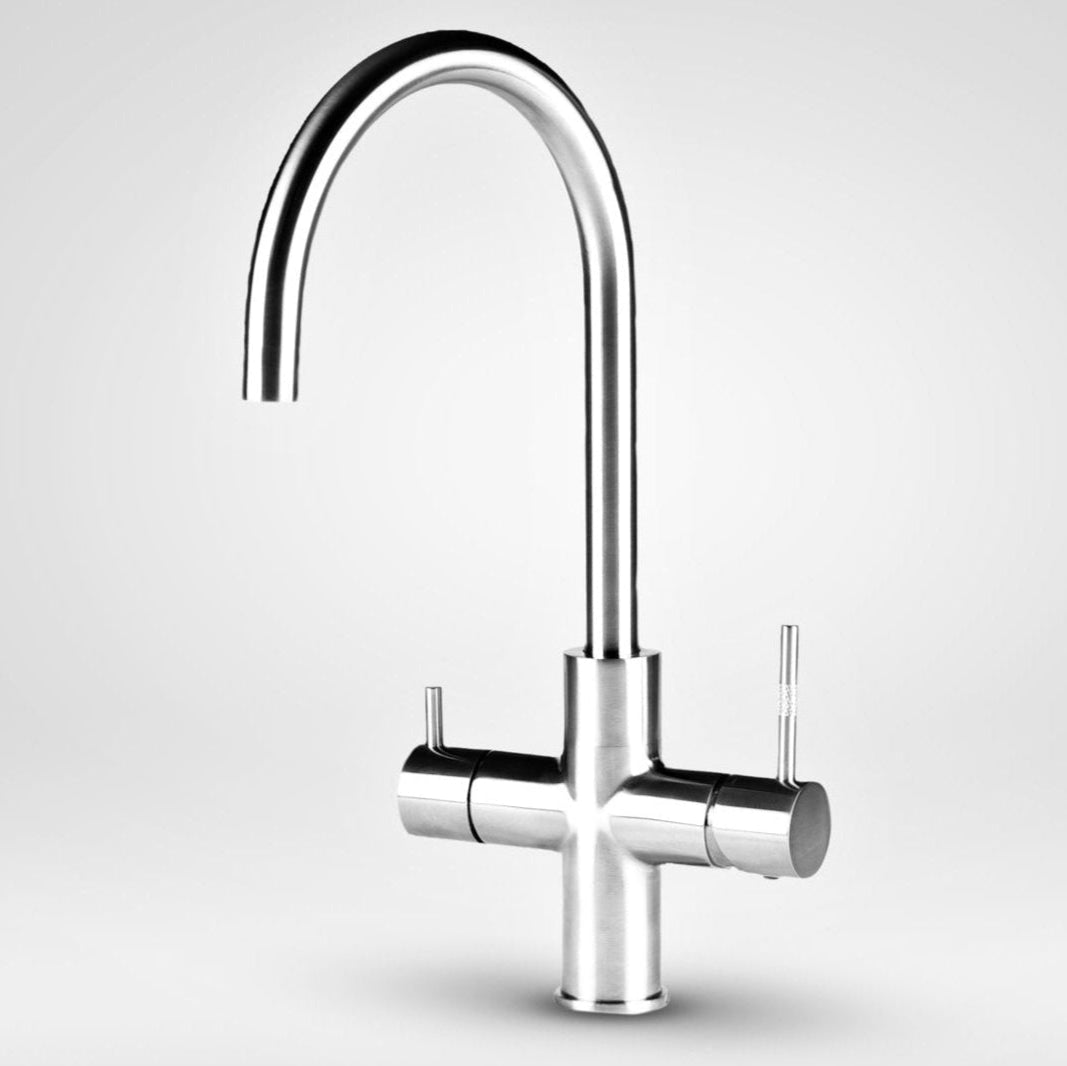
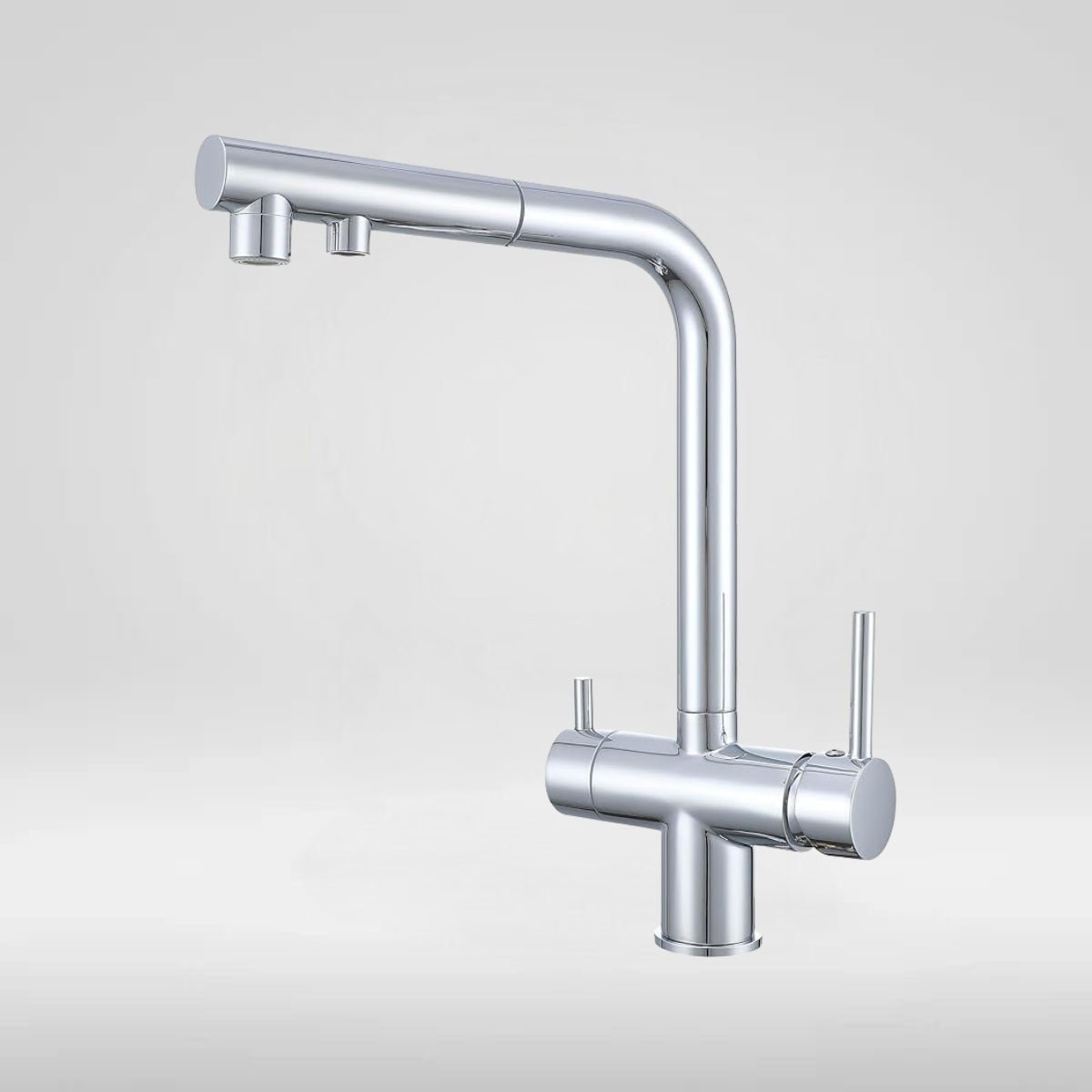
If you have any concerns about the quality of your tap water, there are several steps you can take to alleviate your concerns. One of the easiest ways to test water quality is to use a Total Dissolved Solids (TDS) meter. This meter measures the amount of dissolved solids in the water and provides an indication of its purity. You may also consider installing a water filtration system, such as the popular "The Source" from PureAqua, which helps remove unwanted substances and improve the taste of your water. If you still have concerns, it's advisable to contact your local water company for further testing and advice. They can perform detailed analyses to ensure your water is safe to drink.
Contact us for personalized advice and the best solution for your water quality situation.
Conclusion
Dutch tap water is of exceptional quality and safety, and its presence of essential minerals contributes to a healthy lifestyle. To improve your tap water experience, consider using a water filtration system that further refines the taste and provides additional assurance. For more information or personalized advice about water quality and the best solutions for your situation, please feel free to contact us. Continue to enjoy the pure, healthy water the Netherlands has to offer and contribute to a more sustainable world by choosing tap water over bottled water!