Water hardness indicates the amount of minerals, such as calcium and magnesium, present in tap water. These minerals are often simply referred to as limescale. In the Netherlands, water hardness varies significantly by region. Some areas have relatively soft water, while other parts of the country have higher levels of limescale in the water.
Although tap water in the Netherlands is of high quality, hard water can cause limescale deposits on faucets, shower enclosures, and household appliances. It can also affect the taste of water and hot beverages such as coffee and tea.
Do you want to know how hard the water is at your home?
Use our water hardness check and discover immediately how much limescale is in your tap water.
Discover the limescale solutions
What does water hardness mean?
Water hardness is determined by the amount of dissolved minerals in the water. The most important of these are:
-
calcium
-
magnesium
These minerals occur naturally in the soil. When rainwater flows through various soil layers, it absorbs these minerals. The more minerals the water contains, the harder the water becomes.
Water companies typically express hardness in dH (German degrees of hardness).
The water hardness scale explained
Water hardness is often classified into different categories. This classification indicates approximately how much limescale is in the water.
| Hardness | Meaning |
|---|---|
| 0 – 4 dH | very soft water |
| 4 – 8 dH | soft water |
| 8 – 12 dH | average water |
| 12 – 18 dH | hard water |
| 18+ dH | very hard water |
In the Netherlands, water hardness is usually between 4 and 12 dH, but this varies significantly by region.
Curious about the water hardness in your region?
Use our water hardness checker to see instantly how hard the water is in your postal code area.
Why does water hardness differ by region?
Water hardness depends primarily on the soil from which the water originates. In areas where water flows through lime-rich soil layers, it absorbs more calcium and magnesium.
That is why water hardness can differ significantly even between different cities or provinces.
Water companies extract drinking water from, for example:
-
groundwater
-
surface water
-
dune water
Each source has a different mineral composition.
Do you want to know exactly how hard the water is in your town?
With the water hardness check, you can easily see how much limescale is in your tap water.
What are the consequences of hard water?
Hard water is not harmful to health, but it can have several practical consequences in the home.
Common consequences include:
Limescale deposits
When water dries or is heated, minerals are left behind. This causes limescale buildup on:
-
faucets
-
shower enclosures
-
tiles
-
kettles
Reduced appliance lifespan
Limescale can accumulate in appliances such as:
-
kettles
-
coffee machines
-
washing machines
-
boilers
As a result, appliances have to work harder and may wear out faster.
Higher energy consumption
Limescale buildup on heating elements acts as insulation. Consequently, it takes more energy to heat the water.
Prevent all these problems with a water softener
Does water hardness affect the taste of water?
The amount of minerals in water can also affect the taste of tap water. Some people perceive hard water as slightly heavier or less fresh-tasting.
That is why more and more households are opting for an additional water filter for drinking water. This purifies the water and can improve its taste.
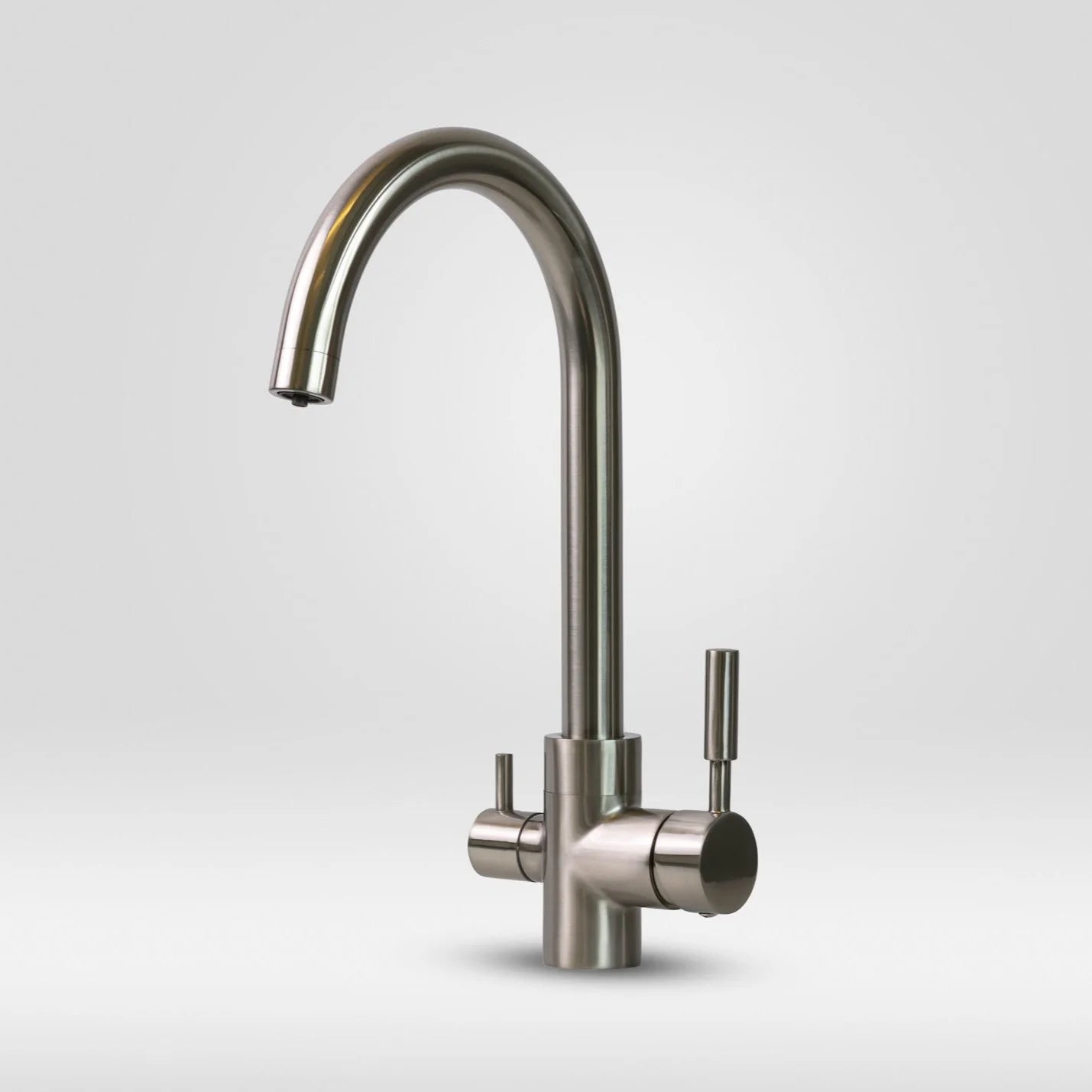
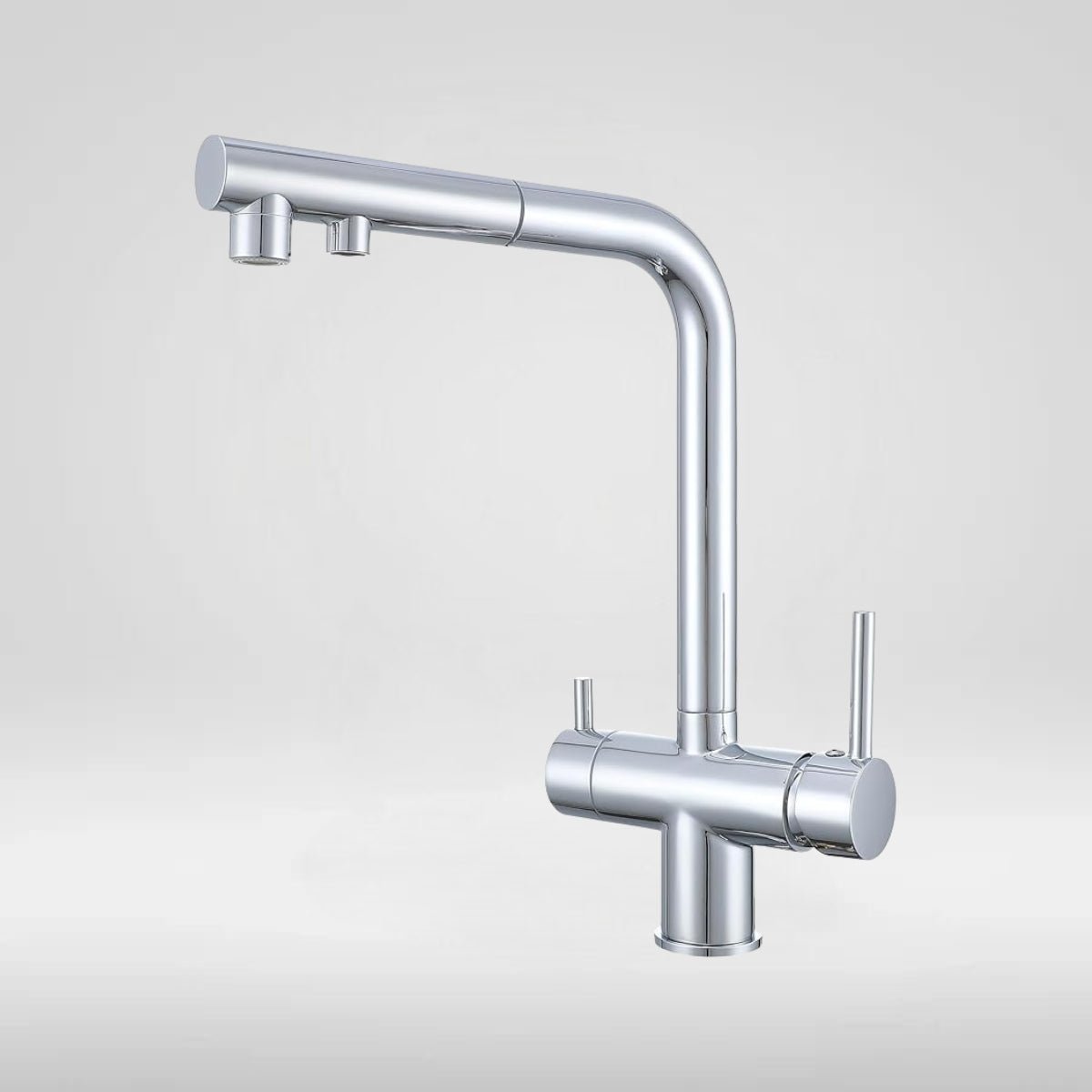
A popular solution is a pure water faucet, which gives you instantly filtered drinking water from the tap. This type of system filters the water before it comes out of the faucet, providing clean and fresh drinking water.
How can you reduce water hardness?
If you suffer from high levels of limescale in your home, there are various solutions.
Water softener
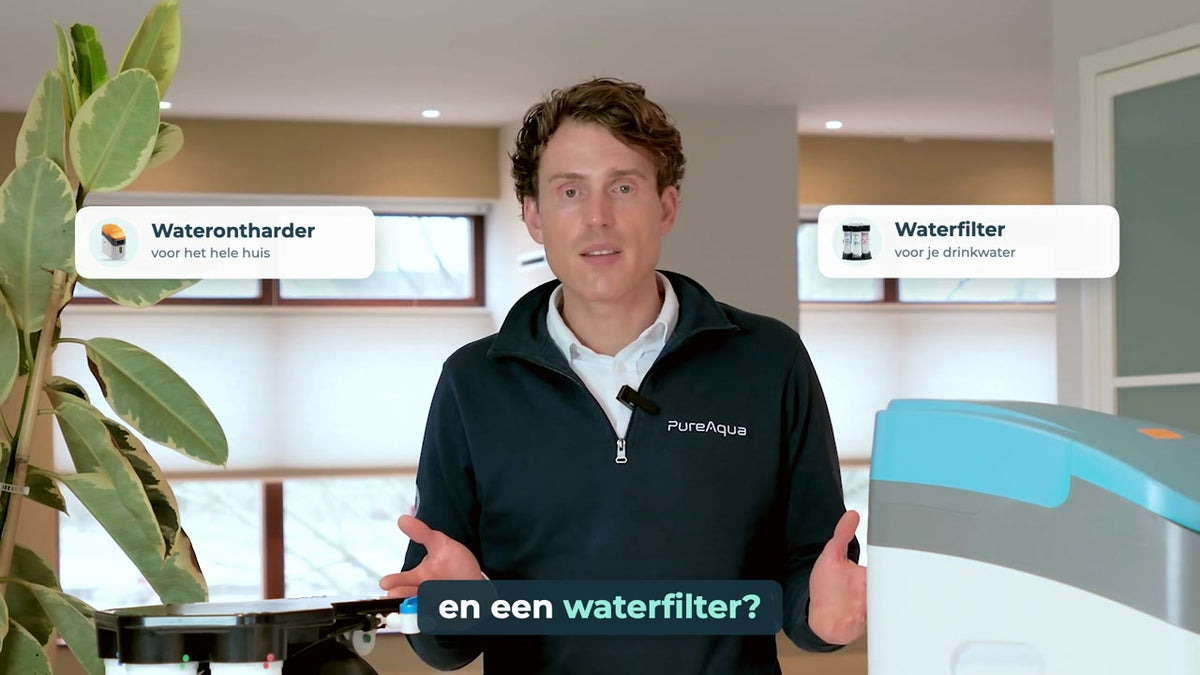
A water softener removes limescale from the water before it flows through your home's pipes. This provides you with soft water throughout the entire house.
Benefits:
-
less limescale buildup
-
longer appliance lifespan
-
less cleaning work
On the PureAqua website, you can read more about the water softener for home and how it helps remove limescale from the water.
Pure water faucet
For drinking water, many households choose a pure water faucet. This system filters tap water and provides:
-
cleaner drinking water
-
better taste
-
fewer impurities
This is especially popular for coffee, tea, and daily drinking water.
Check the water hardness in your region
Because water hardness differs by region, it is useful to know how much limescale is in your water first.
With our water hardness checker you can easily see how hard the water is in your postal code area. Within seconds, you will gain insight into the hardness of your tap water.
This also helps you determine if a water softener or a pure water faucet might be interesting for your situation.
Conclusion
Water hardness indicates how much limescale and minerals are in tap water. Although these minerals are not harmful to health, they can cause limescale deposits and wear on household appliances.
The amount of limescale varies by region in the Netherlands. Therefore, it is useful to first know how hard the water is at your home. You can easily check this with the water hardness checker.
If you suffer from high levels of limescale in your home, solutions such as a water softener or a pure water faucet can help improve water quality and reduce limescale buildup.