
How does reverse osmosis work?
Reverse osmosis is the core of our water filtration system: tap water is pressed under pressure through an ultra-fine membrane that blocks up to 99% of dissolved substances, including PFAS, limescale, heavy metals, nitrates, microplastics, and even bacteria and viruses. Only clean, filtered water gets through: pure drinking water straight from your own tap.
- Filters up to 99% of substances including PFAS, limescale, and microplastics
- Pure water straight from your own tap
- Minerals are added back for a fresh taste
- Low maintenance: only replace filters periodically
Quick overview
In short
Reverse osmosis (RO) forces tap water through an extremely fine membrane under pressure. Contaminants such as PFAS, heavy metals, microplastics, and pharmaceutical residues are left behind, leaving you with pure drinking water. An optional mineral filter then adds calcium and magnesium back in for taste.
- Removes up to approximately 99% of contaminants, including PFAS, microplastics, heavy metals, and limescale (NSF/ANSI 58 standard)
- Provides pure drinking water from your own tap; the system (The Source) is installed invisibly under the sink
- Optional mineral filter adds calcium and magnesium back in for taste
- Differs from a water softener: osmosis purifies your drinking water at a single tap, a softener softens all the water in the house
On this page
Quickly jump to the topic you are looking for.
What is the best water filter for your situation?
Not everyone is looking for the same thing. Do you want the absolute maximum in purity, or just fast and affordable tastier water straight from your own tap? Compare honestly and choose what suits you best.
Pure water tap
Reverse osmosis
from
€540
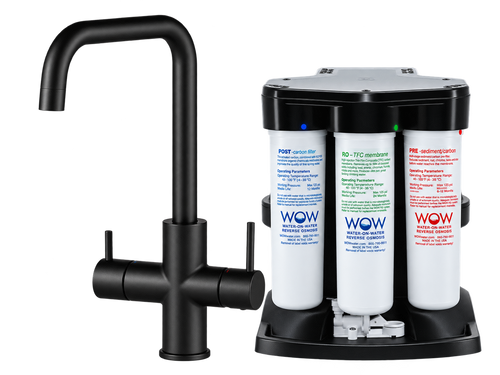
finds maximum purity important.
Water filter
5-stage filtration
from
€149
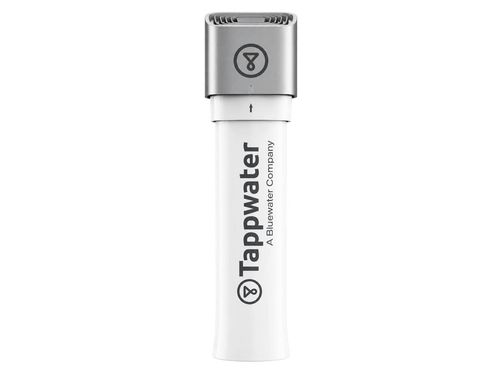
you want to keep your current tap and filter affordably.
What is reverse osmosis (RO)?
Reverse osmosis (RO) is the most thorough form of home water purification. This technique involves passing tap water through an ultra-fine membrane that allows only water molecules to pass through, blocking approximately 99% of unwanted substances such as PFAS, microplastics, drug residues, nitrate, and heavy metals.
The result: clean, safe and delicious-tasting drinking water from your own tap.

The RO system purifies your tap water in five smart steps
The PureAqua system purifies your tap water in five smart steps. From pre-filtration to remineralization.
Omgekeerde osmose in cijfers
Wat omgekeerde osmose uit je water haalt, hoe het zich verhoudt tot andere oplossingen en wat het kost.
Wat verwijdert omgekeerde osmose?
| Stof | Verwijderd? |
|---|---|
| PFAS | Ja |
| Zware metalen (o.a. lood) | Ja |
| Microplastics | Ja |
| Medicijnresten | Ja |
| Nitraat | Ja |
| Kalk | Ja |
| Chloor (smaak en geur) | Ja |
Omgekeerde osmose verwijdert tot circa 99% van verontreinigingen. Norm: NSF/ANSI 58 (omgekeerde osmose).
Omgekeerde osmose vergeleken met andere oplossingen
| Oplossing | Verwijdert PFAS en zware metalen? | Zuiver drinkwater? | Zacht water in hele huis? |
|---|---|---|---|
| Omgekeerde osmose (RO) | Ja | Ja, aan 1 kraan | Nee |
| Waterontharder | Nee | Nee | Ja |
| Waterfilterkan (bijv. Brita) | Beperkt | Deels (vooral smaak en chloor) | Nee |
Omgekeerde osmose zuivert je drinkwater aan een kraan; een waterontharder maakt al het water in huis zacht (tegen kalk).
Wat kost omgekeerde osmose?
| Optie | Prijs |
|---|---|
| Zuiver Water Abonnement | € 29 per maand + eenmalig € 299 startkosten (incl. kraan, The Source-systeem, filters voor 12 maanden en installatie) |
| Countertop RO (plug-and-play, geen installatie) | € 495 |
Zuiver water kranen met The Source zijn los verkrijgbaar. Prijzen zijn indicatief.
 1
1
Step 1: Pre-filtration
The water first flows through a pre-filter. This removes coarse particles, sand, rust, chlorine, and other contaminants.
 2
2
Step 2: RO membrane
Next, the water passes through the RO membrane. Here, up to 99% of all dissolved substances and contaminants are filtered out.
 3
3
Step 3: Storage in tank
The purified water is stored in a compact pressure vessel. This way, you always have pure water immediately available.
 4
4
Step 4: Remineralization
For a better taste, the water is enriched with natural minerals such as calcium and magnesium.
 5
5
Step 5: Pure water from your tap
The end result? Fresh, delicious, and healthy drinking water from your own purified-water tap.
Which osmosis system is right for you?
From compact countertop to a stylish tap solution: at PureAqua, you will find a suitable solution for every requirement.

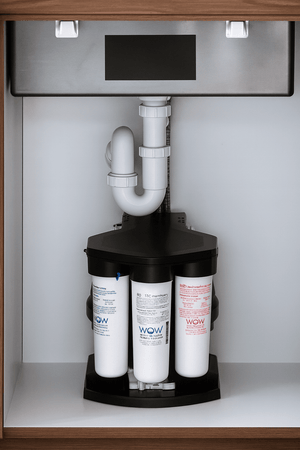
Purified water tap
Our most popular solution: purified drinking water directly from a separate stylish tap.
- Sleek solution in the kitchen
- Instant pure drinking water
- Perfect for daily use

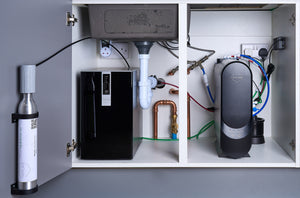
4-in-1 boiling water tap
For those who want to combine convenience, design and boiling water in one tap.
- Filtered drinking water
- Boiling/chilled water function
- All-in-one luxury tap

Pure water system
Ideal if you want to start using purified drinking water without a major installation.
- No major installationCompact and user-friendlyIdeal for flexible use
From advice to the first glass of pure water
We make it easy. From personal advice to professional installation and explanation. This way, you can enjoy delicious drinking water from your own tap without a care in the world.
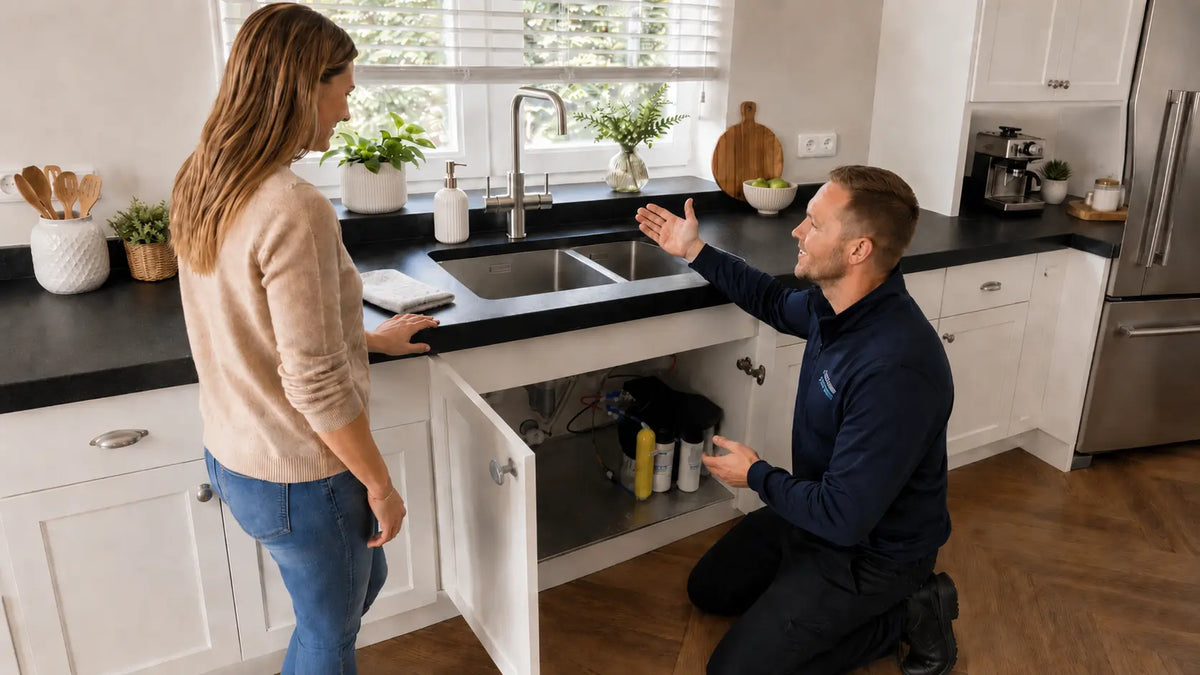
Free advice
We look at your kitchen, your wishes, and your water usage.
Select tap and system
You choose the faucet and system that best suit you.
Quote or order
You will receive a clear quotation or you can place your order directly.
Installation appointment
We will plan a time that works for you.
Installation by technician
The water filter system is neatly placed under the kitchen sink.
Explanation and usage
You will receive an explanation of the crane, the system, and the maintenance.
Pure water by subscription
A pure water tap is a valuable investment. With our subscription, you enjoy all the benefits, for a low starting price and with complete peace of mind.
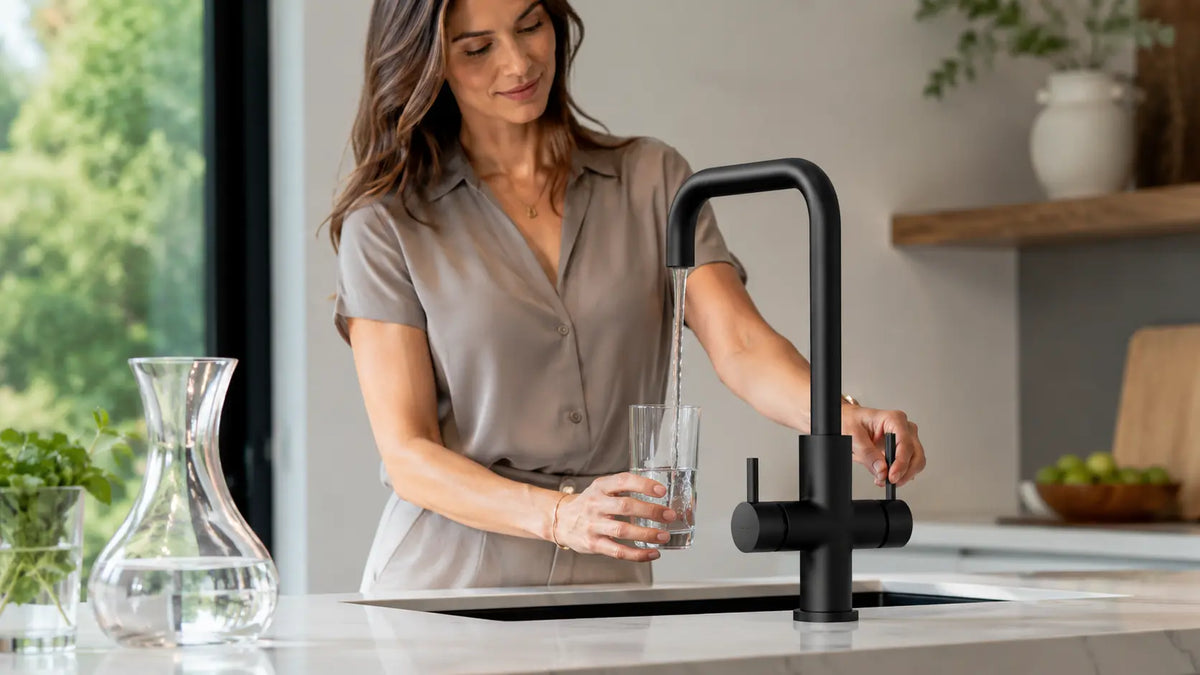
No-obligation advice, we are happy to think along with you.
Frequently asked questions about reverse osmosis
Does this purification technique remove PFAS from tap water?
Yes. The RO membrane largely blocks PFAS, along with other dissolved substances. Dutch tap water meets legal standards, but the RIVM advises reducing total PFAS intake; an osmosis filter helps to further reduce your exposure at home, RIVM.
Is osmosis water healthy to drink?
Yes. Reverse osmosis first removes impurities from the water, after which a remineralization stage adds essential minerals like calcium and magnesium back in. This way, you drink pure and flavorful water, not "flat" as with systems without remineralization.
Does an RO system require electricity?
No. Our system runs entirely on your mains water pressure and does not require a power outlet. This makes installation simple and saves energy. View the pure water taps
Does an osmosis system fit under every kitchen sink?
In most kitchens, the system fits perfectly under the sink. It is compact: 25 × 35 × 28 cm. Are you unsure about the space? Request free advice and we will take a look with you.
How long does the installation take?
The installation of the system typically takes 1 to 1.5 hours. We kindly ask you to empty the kitchen cabinet in advance so that the technician can get started immediately. After installation, you will receive a clear explanation of how to use and maintain the system.
Would you prefer to install the system yourself? In that case, you will receive a clear step-by-step manual from us.
What is the difference between reverse osmosis and a water softener?
A water softener only tackles limescale and makes the water softer. Reverse osmosis goes further and filters a wide range of substances, including PFAS, heavy metals, and microplastics. If you mainly want to tackle limescale, choose a water softener; if you want pure drinking water, choose a pure water tap.
Does reverse osmosis also remove minerals from the water?
Yes. In addition to contaminants, reverse osmosis also removes a large portion of the dissolved minerals. If you want to add minerals back for taste, you can include an optional mineral filter that restores calcium and magnesium.
How often do I need to replace the filters?
You replace the filters periodically. At PureAqua, The Source filter sets last for approximately 12 months. With the Pure Water Subscription, filter replacement is included.
How much does reverse osmosis cost?
At PureAqua, you can choose the Pure Water Subscription (€29 per month plus a one-time start-up fee of €299, including tap, system, filters for 12 months, and installation) or the Countertop RO without installation for €495. Individual pure water taps with The Source are also available.
Does reverse osmosis waste a lot of water?
During purification, a small amount of flush water is generated to keep the membrane clean. Modern osmosis systems are much more efficient in this regard than older devices.
Why does osmosis water taste more neutral?
Because substances including chlorine, limescale, and impurities are removed from the water, osmosis water tastes clean and neutral. With the optional mineral filter, you can add minerals back for a fuller taste.
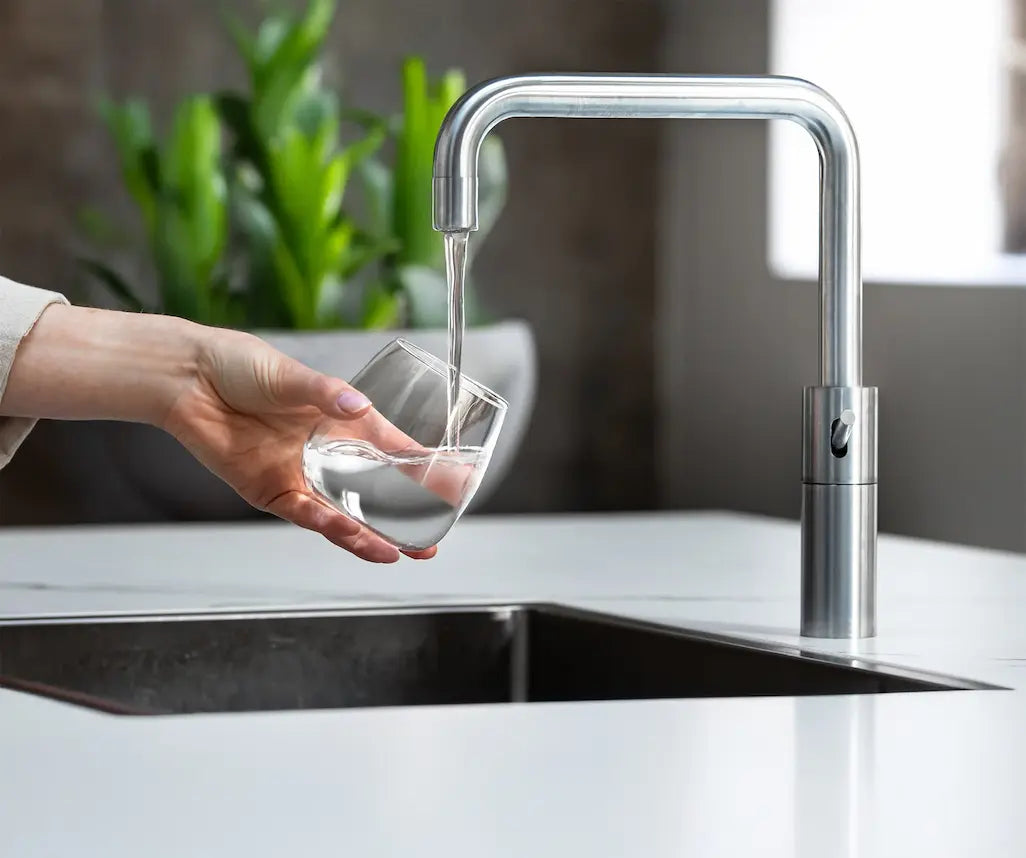
Everything about reverse osmosis for the home
Reverse osmosis (RO) is one of the most thorough ways to filter tap water: the water is forced under pressure through a semi-permeable membrane that traps dissolved substances, allowing you to draw pure water from your own tap.
What does an osmosis filter remove from your water?
An osmosis system reduces up to 99% of a wide range of substances, including limescale, heavy metals, microplastics, drug residues, and PFAS. Dutch tap water meets legal standards, but the RIVM recommends reducing total PFAS intake; a filter helps to further reduce your exposure at home.
What is the difference between osmosis, a water pitcher, and a carbon filter?
Reverse osmosis goes the furthest and also removes what other methods leave behind. A water filter pitcher is cheap and accessible but offers limited filtration; a carbon filter primarily improves taste, chlorine, and odor, but barely addresses dissolved substances like limescale or heavy metals.
Does reverse osmosis remove all minerals from the water?
No, a good system adds minerals back after filtration via a remineralization step. This gives you a fresh, soft taste instead of "flat" water.
How much water does an osmosis system use?
Osmosis creates a small amount of wastewater, as the trapped substances are flushed away. Modern systems are much more efficient in this regard than older models.
What does pure water from an osmosis system cost?
Per liter, osmosis water is generally many times cheaper than bottled water and more sustainable, without the plastic. Costs consist of the purchase (or a subscription) and periodic filter replacement.
How often do the filters need to be replaced?
An osmosis system requires little maintenance: you replace the pre-filters and the membrane periodically, depending on your water consumption and regional water quality. The 3 main filters last 12 months; the mineral module lasts 6 months.
What misconceptions exist about osmosis water?
"Osmosis water is unhealthy because all the minerals are gone" – with remineralization, essential minerals are added back. "Isn't tap water already safe?" – true; filtering is an extra step for those who want to further reduce exposure to substances like PFAS. "An osmosis system is complicated" – in practice, you simply draw water from your tap and replace a filter every now and then.
Which solution is right for you?
If you want pure drinking water with a sleek kitchen tap, choose a pure water tap. If you mainly suffer from limescale, a water softener might be a better choice. Still not sure? See above how reverse osmosis works or request free advice.