A home water filter has become increasingly popular because it ensures cleaner, tastier, and safer tap water. Whether you are concerned about the quality of your drinking water or simply want to drink healthier water, a home water filter offers a practical solution. In this article, we discuss seven effective ways to purify tap water with a home water filtration system. We explain how different types of water filters work, what installation types are available, and what benefits they offer. This will help you make an informed choice for the best home water purifier, tailored to your specific needs.
Why choose a home water filter?
The need for home water filtration
Although Dutch tap water is generally of good quality, it can still contain traces of drug residues, heavy metals, chlorine, and other impurities. This can affect the taste, odor, and quality of the drinking water. With a home water filter, you ensure that these substances are largely removed. In addition, a home water filter improves the taste and makes the water softer and more pleasant to drink.
Benefits of a home water filtration system
- Removes contaminants such as chlorine, lead, drug residues, and pesticides
- Improved taste and odor of tap water
- Pure and healthy drinking water directly from the tap or water pitcher
- More environmentally friendly than bottled water
- Saves costs in the long term compared to bottled water
- Easy to maintain and replace filter elements
Types of home water filters
Carbon filters
Carbon filters are the most common home water filter. They use activated carbon to absorb impurities such as chlorine, chemicals, pesticides, and organic compounds. In addition, they improve the taste and odor of the water. You often see this type of filter in water filter pitchers or tap-mounted filters.
Reverse osmosis systems
Reverse osmosis filters go a step further and remove almost all contaminants, including heavy metals, bacteria, and viruses. This is done by forcing water through a semi-permeable membrane. Reverse osmosis systems are usually countertop or under-sink systems, suitable for users who want extra pure water.
Installation options for a home water filter
Water filter pitchers and portable jugs
Water filter pitchers are ideal for people who do not want a permanent installation. They are simple to use, portable, and filter the water quickly via built-in carbon filters. The filter elements must be replaced regularly to maintain optimal purification.
Tap-mounted and built-in systems
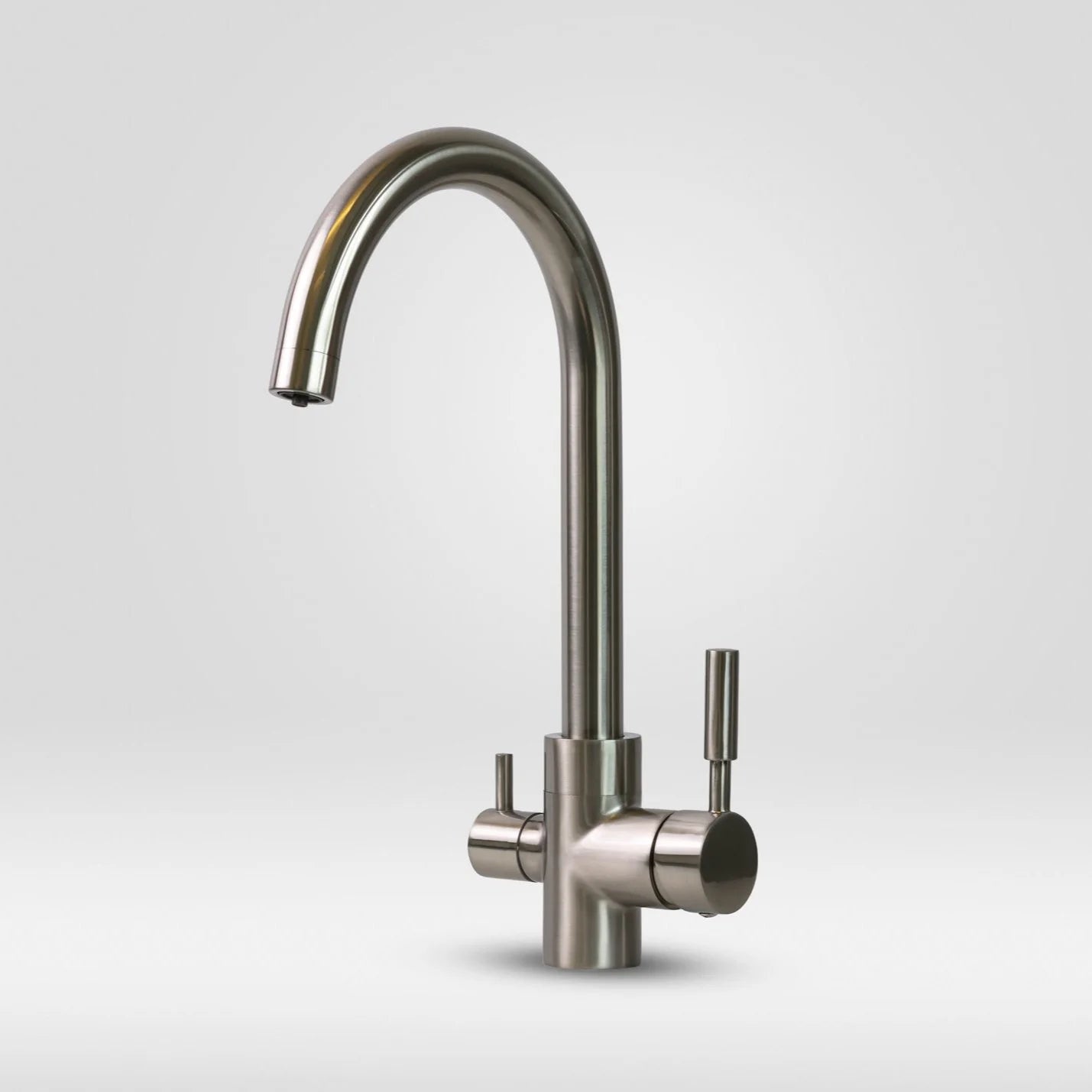
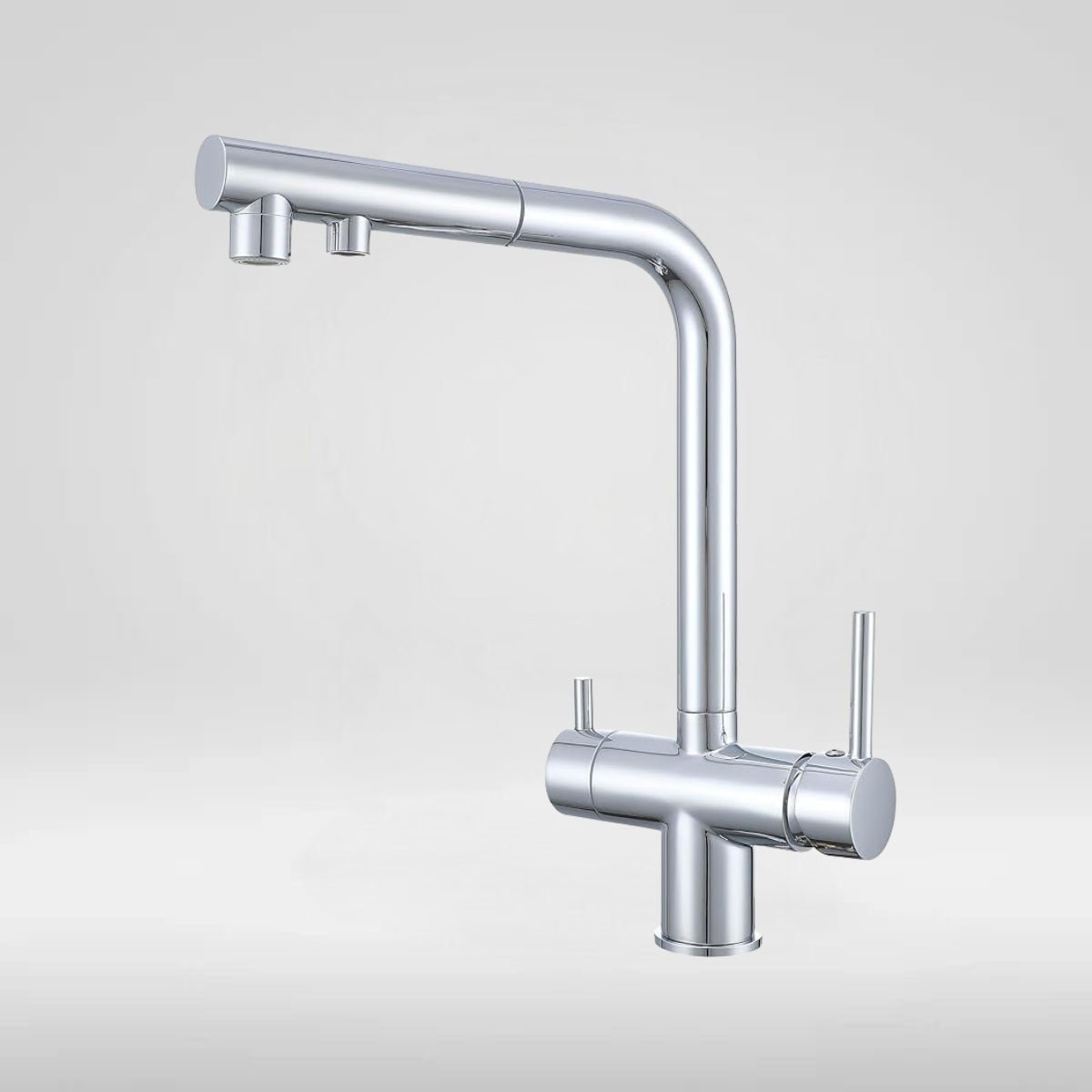
A home water filtration system that is mounted directly onto the tap ensures that drinking water is filtered as soon as you turn on the faucet. These systems are effective and take up little space. For more advanced purification, there are also under-sink home water purifiers that are installed beneath the counter and filter large amounts of water for the entire household.
7 ways to filter water at home
- Activated carbon filter: Removes chlorine, odors, and flavors.
- Reverse osmosis: Removes heavy metals, salts, and bacteria.
- Ceramic filters: Physical filtration of bacteria and sediment.
- UV light water filters: Kill microorganisms and viruses.
- Ion exchangers (water softeners): Reduce limescale and make the water softer.
- Gravity water filters: Simple systems that purify water using gravity, suitable for home use and easy to maintain.
- Inline filter systems: Filters that are installed directly into the water line or water pressure system for continuous purification.
Which water filter best suits your needs?
Filtering for basic healthy drinking water
Do you only want to tackle light contaminants such as chlorine and odor or taste issues? Then a home water filter with activated carbon is excellent. A water filter pitcher or tap filter is often sufficient for this.
Deeper purification for vulnerable groups
When you value maximum purification, for example, for small children, pregnant women, or people with sensitive health, a reverse osmosis home water filter is suitable. This also effectively filters heavy metals and other harmful substances out of the drinking water.
Maintenance and use of your home water filter
Regular replacement of filter elements
Every home water filtration system has a filter element that becomes saturated over time. Replace these in a timely manner according to the recommended intervals to keep performance optimal and water purification effective.
Periodic cleaning and flushing
Some systems, such as ceramic filters and gravity water filters, require regular cleaning to prevent clogging and bacterial growth. Always follow the manual for maintenance.
A home water filter is a valuable investment in the quality of your drinking water. By choosing the right type of filter and installation, you can enjoy pure, tasty, and safe water all year round. Whether you choose a simple water filter pitcher, a tap-mounted filter, or an extensive home water filtration system: it is a smart way to filter water at home. Would you like to know more about which home water filter is suitable for your situation? Discover our extensive guides and products that help you make the best choice for healthier drinking water.