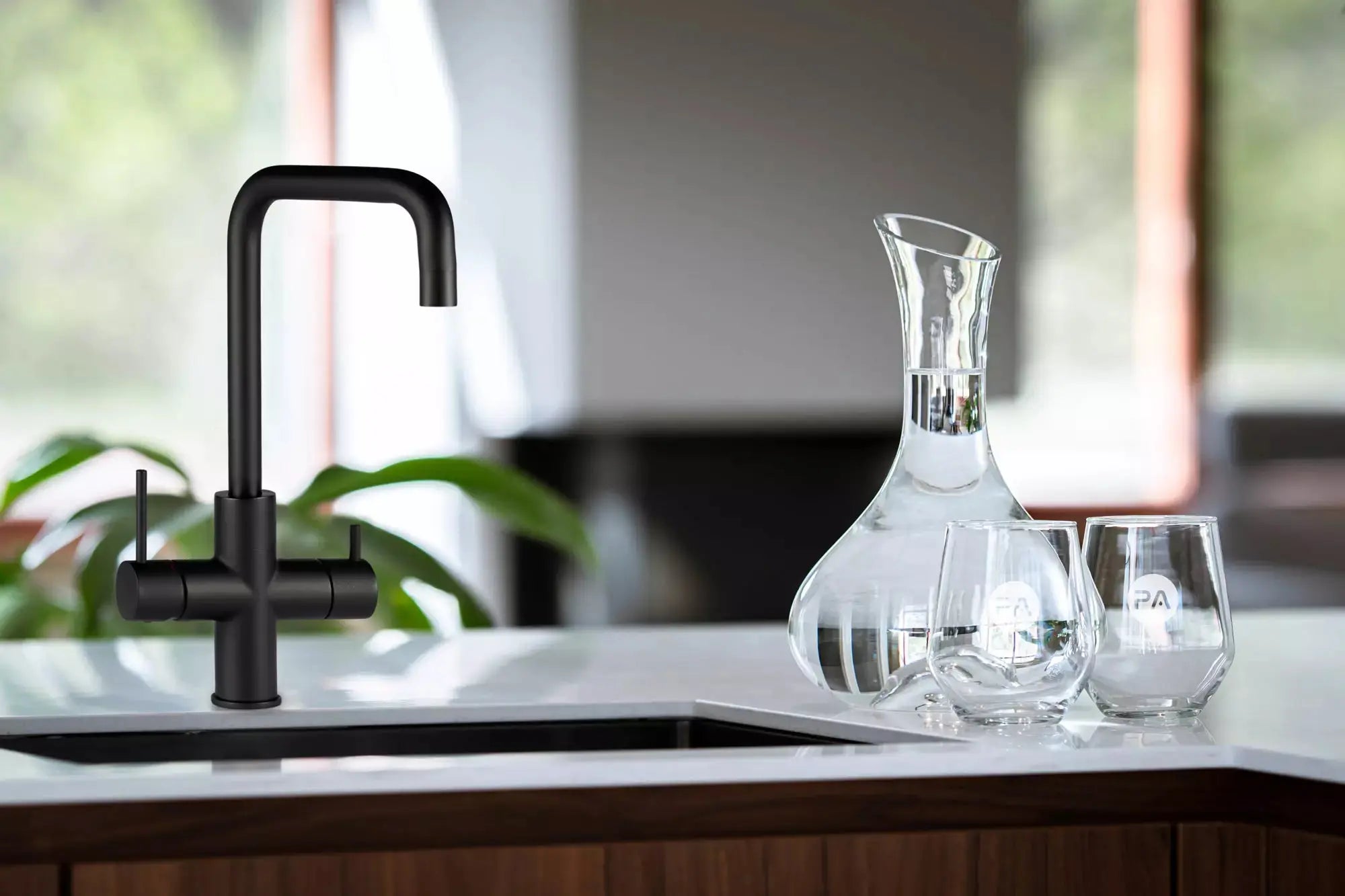
Modern water purification systems can offer an effective solution for removing fluoride from drinking water. Systems using reverse osmosis technology are particularly effective and can filter up to 99% of unwanted substances, including fluoride, from tap water. Choosing the right water purification system depends on the fluoride concentration in your water and your specific health considerations.
Which types of water purifiers effectively remove fluoride?
When choosing a water purification system for fluoride removal, it's important to know which technologies are most effective. Not all water filters are equally suitable for this specific task.
Reverse osmosis (RO) systems are among the most effective solutions for fluoride removal. These systems, such as "The Source" from PureAqua , utilize a semipermeable membrane that, under pressure, allows only water molecules to pass through while retaining fluoride and other unwanted substances. With a removal rate of up to 99%, reverse osmosis offers one of the highest purification rates on the market.
Distillation systems are also very effective at removing fluoride. These systems work by heating water until it vaporizes, then collecting the vapor and cooling it down to pure water. Fluoride and other minerals remain in the original reservoir. Distillation can remove up to 98% of the fluoride.
Activated alumina filters are specifically designed for fluoride removal. These filters use aluminum oxide, which attracts and retains fluoride ions. They can remove between 80% and 90% of fluoride from water, but require regular replacement to remain effective.
Bone char filters are made from heated animal bones and have traditionally been used for fluoride removal. These filters can remove approximately 70-80% of the fluoride but are less efficient than the methods mentioned above.
| Purification system | Fluoride removal | Maintenance |
|---|---|---|
| Reverse osmosis | Up to 99% | Annual filter replacement |
| Distillation | Up to 98% | Regular cleaning |
| Activated alumina | 80-90% | Frequent replacement |
| Butter cabbage | 70-80% | Regular replacement |
To measure the effectiveness of your water purification system, you can use a TDS (Total Dissolved Solids) meter. This measures the total amount of dissolved solids in your water, which provides a good indication of the overall water quality and the performance of your filter.
What are the health effects of fluoride in drinking water?
Fluoride in drinking water has both positive and negative health effects, depending on the concentration. Understanding these effects can help you make informed decisions about water treatment.
At low concentrations (approximately 0.7 mg/L, the amount added to drinking water in some countries), fluoride can help strengthen tooth enamel and prevent tooth decay. This is why fluoride is added to drinking water in certain regions as a preventative measure against dental problems.
However, at higher concentrations, negative health effects can occur. Prolonged exposure to fluoride concentrations above 1.5 mg/L can cause dental fluorosis, which manifests as white spots on the teeth. At even higher concentrations or prolonged exposure, skeletal fluorosis can occur, leading to bone pain and bone deformity.
Some research suggests that high fluoride concentrations may also contribute to neurological problems, especially in developing children. Some studies point to a possible link between high fluoride intake and impaired cognitive function, although more research is needed to definitively establish these links.
- Benefits at low concentrations: strengthening tooth enamel, prevention of tooth decay
- Risks at higher concentrations: dental fluorosis, skeletal fluorosis, possible neurological effects
It's important to know that natural fluoride concentrations in drinking water can vary significantly from region to region. In some areas, natural fluoride levels may already be high, making supplemental fluoride in toothpaste or mouthwash unnecessary or even undesirable.
If you're concerned about the fluoride content of your drinking water, you can have it tested or invest directly in a high-quality water purification system like the reverse osmosis technology we offer at PureAqua. Our system removes not only fluoride but also other potentially harmful substances, ensuring you always enjoy pure and safe drinking water.
By regularly checking the quality of your water with a TDS meter and replacing your filters on time, you ensure consistent and reliable water quality in your home, free from unwanted substances such as fluoride.