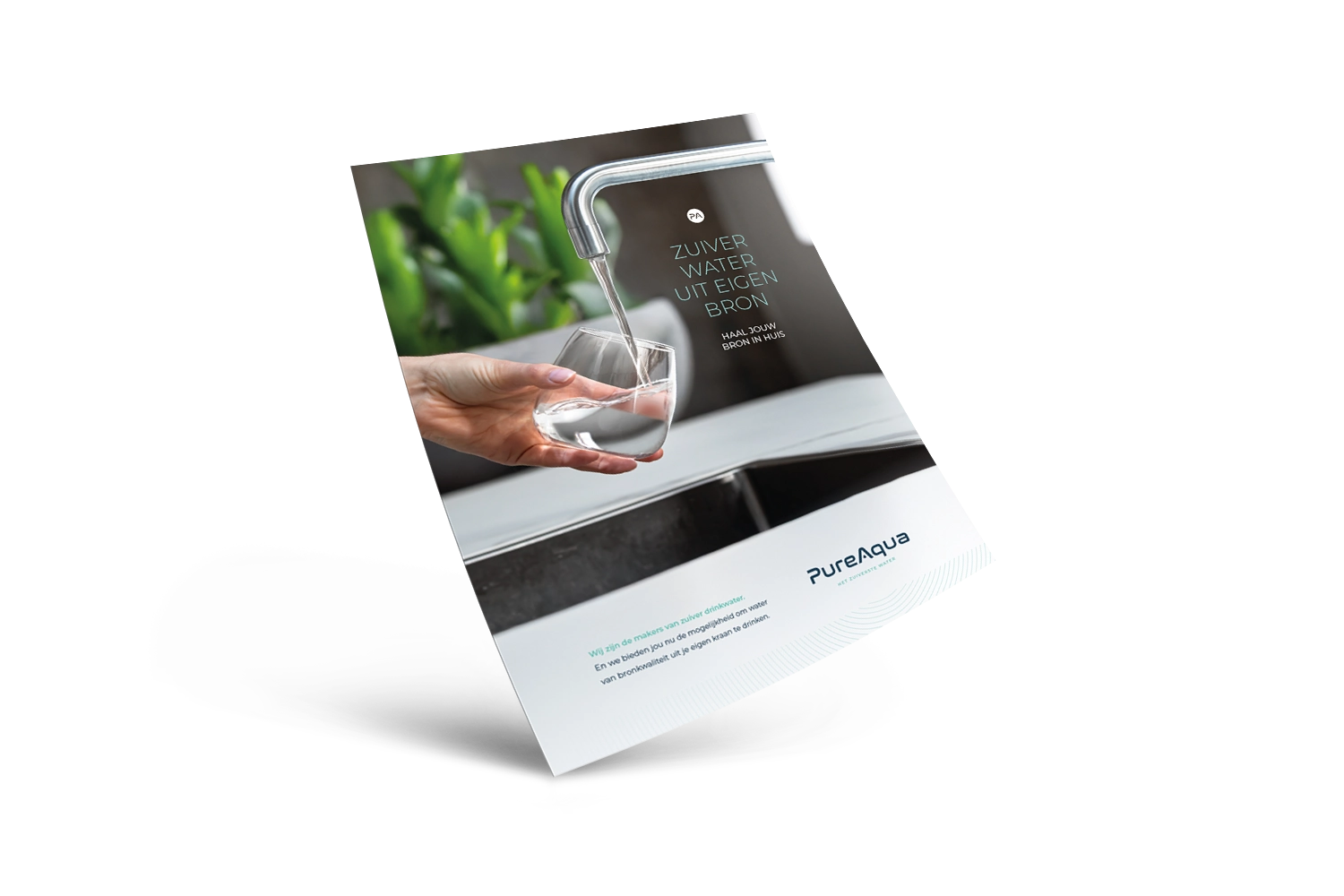

Modern water purification systems offer an effective solution for removing harmful substances from drinking water, including pesticides. Using technologies like reverse osmosis, activated carbon, and UV filtration, these systems can eliminate up to 99% of unwanted substances. The right choice depends on the specific contaminants in your water, the desired level of purification, and your budget. Systems with multiple filtration technologies generally offer the most complete protection against pesticides.
What are the risks of pesticides in drinking water?
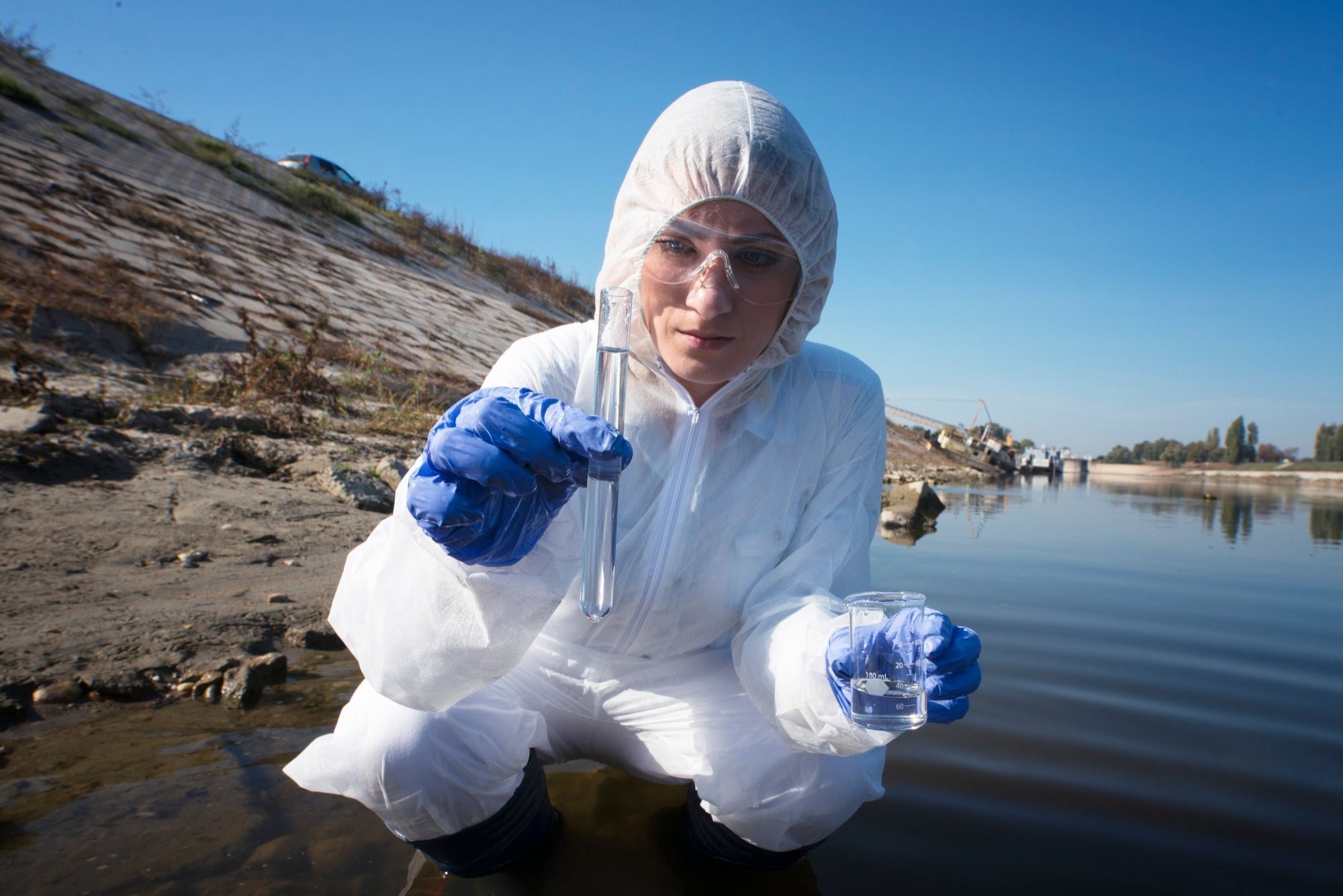
The presence of pesticides in our drinking water is a growing public health concern. These chemicals, used in agriculture to protect crops, can enter our drinking water through various routes. These substances can end up in groundwater and surface water through runoff from agricultural land or through direct discharge, ultimately reaching our drinking water supply.
The health risks of pesticides in drinking water cannot be underestimated. Long-term exposure to even low concentrations can lead to chronic health problems such as:
- Disturbances of the hormonal system
- Increased risk of certain types of cancer
- Neurological problems
- Negative effects on fertility
- Disruption of development in children
Traces of various pesticides are regularly found in Dutch drinking water. Although concentrations are usually below legal limits, there is growing concern about the so-called "cocktail effect"—the combined effects of several pesticides that can be more harmful together than individually.
The European Union has established strict standards for pesticides in drinking water. For individual pesticides, a maximum level of 0.1 micrograms per liter applies, while the total concentration of all pesticides may not exceed 0.5 micrograms per liter. These standards were established according to the precautionary principle, but some experts advocate for even stricter limits due to the potential long-term effects.
How effective are water purifiers at removing pesticides?
The effectiveness of water purifiers in filtering pesticides varies greatly depending on the technology used. Not all water purification systems are created equal when it comes to removing these persistent chemicals.
Activated carbon filtration is one of the most widely used methods for removing pesticides from drinking water. These filters operate on the basis of adsorption, where chemicals are attracted and retained by the carbon surface. Research shows that activated carbon filters are effective at removing many common pesticides, with purification rates between 60% and 90%. However, their effectiveness decreases as the filter becomes saturated, necessitating regular replacement.
Reverse osmosis (RO) technology offers one of the highest levels of pesticide purification. This process uses pressurized water to pass through a semipermeable membrane that allows only water molecules to pass through, trapping virtually all unwanted substances. RO systems like The Source from PureAqua can remove up to 99% of unwanted substances from tap water, including pesticides, heavy metals, and other contaminants. This makes it one of the most effective solutions for pesticide removal.
| Filtration technology | Effectiveness against pesticides |
|---|---|
| Activated carbon | 60-90% |
| Reverse osmosis | Up to 99% |
| UV filtering | Limited (supporting only) |
UV filtration alone is not effective for removing pesticides, but it is often used as a complementary technology in combination with other filtration systems. UV light kills microorganisms but does not break down chemicals such as pesticides.
Combination systems that integrate multiple filtration technologies offer the most comprehensive protection against pesticides. Modern systems like those from PureAqua often combine prefiltration, activated carbon, reverse osmosis, and postfiltration for optimal results. This multi-stage approach ensures that various types of contaminants, including a wide range of pesticides, are effectively addressed.
Which water purifier is best suited for removing pesticides?
When choosing a water purifier specifically for pesticide removal, it's important to consider several factors. The most suitable solution depends on your specific situation, the type and concentration of pesticides in your water, and, of course, your budget.
Systems based on reverse osmosis technology, such as The Source from PureAqua, offer the most complete protection against pesticides. These systems operate using a multi-stage process in which the water passes through several filters:
- An activated carbon pre-filter that removes larger particles and organic contamination
- The reverse osmosis membrane that blocks up to 99% of unwanted substances
- A post-filter that improves the taste and removes last impurities
For households specifically concerned about pesticides in drinking water, a reverse osmosis system like The Source is the most effective choice. This system is designed to remove not only pesticides but also other harmful substances such as heavy metals, pharmaceutical residues, and microplastics.
When comparing different water purifiers, it is important to pay attention to the following features:
- Purity: Choose systems that remove at least 90% of pesticides
- Filter capacity: The larger the household, the more important sufficient capacity is
- Ease of maintenance: Systems where filters are easy to replace are preferred.
- Sustainability: Pay attention to water consumption and options for recycling used filters
In a cost-benefit analysis, it's important to consider not only the purchase price but also operational costs such as filter replacement and water consumption. Although reverse osmosis systems require a higher initial investment, they often offer the best long-term protection against pesticides and other contaminants.
At PureAqua, we can help you make the right choice for your specific situation. Our water filter system builder makes it easy to find the system that best suits your household and water quality. Regularly testing the water quality with a TDS meter also allows you to ensure your filters are still functioning optimally.
Investing in a high-quality water filter system isn't just an investment in clean water, but also in the long-term health of you and your family. With the right water purifier, you no longer have to worry about pesticides or other harmful substances in your drinking water.