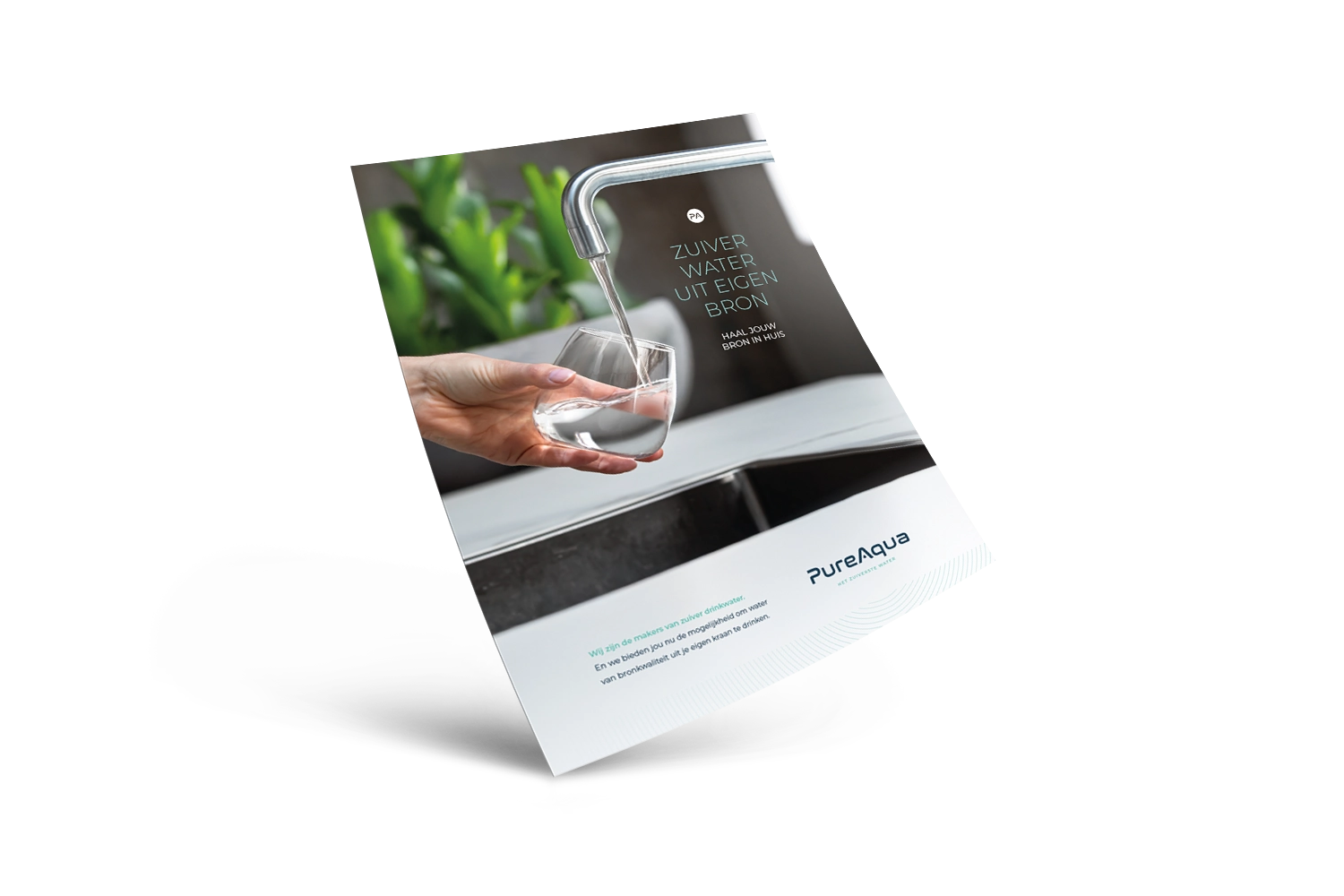

Yes, pregnant women can safely drink tap water in the Netherlands. Dutch tap water is among the cleanest in the world and meets strict quality standards. However, some pregnant women choose to use a water filtration system for added peace of mind, especially in homes with older pipes or in areas with intensive agriculture. Reverse osmosis technology can remove up to 99% of potential contaminants, providing additional peace of mind during this crucial time.
What makes tap water an important issue during pregnancy?
During pregnancy, sensitivity to water contaminants increases significantly. The developing baby is particularly vulnerable to substances that can enter the body through drinking water. Pregnant women also drink more water than usual, potentially increasing their exposure to potential contaminants.
Dutch water quality standards are strict, and tap water is continuously monitored. Water companies test for more than 60 different parameters daily. Nevertheless, additional risks can arise in older houses with lead pipes or in agricultural areas with nitrate contamination. Pregnant women's immune systems function differently, making them more susceptible to certain bacteria and viruses.
Clean water is essential for a baby's development. Water plays a crucial role in the production of amniotic fluid, blood flow to the placenta, and organ development. Therefore, pregnant women are rightly extra careful with their water intake and seek ways to optimize water quality.
Which substances in tap water can pose risks to pregnant women?
Although Dutch tap water is generally safe, certain substances in elevated concentrations can pose risks during pregnancy. Lead is one of the most concerning substances, especially in homes built before 1960 with old pipes. Lead exposure can disrupt fetal brain development and lead to learning disabilities later in life.
- Nitrates : Nitrate concentrations may be higher in agricultural areas. In infants, this can lead to methemoglobinemia (blue baby syndrome).
- Bacteria and viruses : Listeria and E. coli can cause serious complications during pregnancy
- Endocrine disruptors : PFAS and pesticides can disrupt hormonal balance
- Drug residues : Antibiotics and hormones from the pill can occur in very low concentrations
- Heavy metals : In addition to lead, mercury and cadmium can also be harmful to fetal development
The concentrations of these substances in Dutch tap water are usually well below legal standards. However, regional differences can occur. In Zeeland and parts of North Brabant, for example, higher nitrate concentrations have been measured due to intensive agriculture. In older city centers like Amsterdam and Utrecht, the likelihood of lead pipes is higher.
How does reverse osmosis work for drinking water purification?
Reverse osmosis (RO) is an advanced purification technology that forces water under pressure through a semipermeable membrane. This membrane has pores so small that only water molecules can pass through, while virtually all contaminants are retained. The process effectively removes up to 99% of unwanted substances from the water.
The RO process works in several steps. The water passes through several pre-filters that remove coarse particles, chlorine, and sediment. Then, the water is forced under pressure through the RO membrane. This membrane traps molecules larger than 0.0001 microns, including bacteria, viruses, heavy metals, PFAS, pharmaceutical residues, and pesticides. After the membrane, the purified water is often passed through a remineralization filter that adds healthy minerals like calcium and magnesium.
This technology offers additional peace of mind for pregnant women. Home water filter systems with RO technology even remove substances that are passed through conventional water filters. This is especially valuable when there are concerns about water quality or when maximum safety is desired during pregnancy.
When is a water filter system recommended during pregnancy?
There are several situations in which additional water purification during pregnancy may be advisable. Homes with old pipes, particularly those built before 1960, are at risk of lead release. A filtration system also offers additional protection in areas with intensive agricultural activity, where nitrate and pesticide concentrations can be higher.
Women with sensitive pregnancies or underlying health conditions can benefit from the assurance of purified water. Eliminating potential bacteria from drinking water can help with recurring urinary tract infections or gastrointestinal problems. A filtration system can also provide a solution if the taste or odor of tap water raises concerns about its quality.
| Situation | Risk factor | Recommendation |
|---|---|---|
| Old house (before 1960) | Lead pipes | RO system highly recommended |
| Agricultural area | Nitrates/pesticides | Consider filter system |
| Sensitive pregnancy | Increased vulnerability | Extra security with RO |
| Taste/odor problems | Possible contamination | Testing and filtering |
The benefits of a water filter system extend beyond pregnancy. It significantly improves the taste of water, which helps ensure adequate fluid intake. After delivery, the purified water is perfect for preparing baby formula, where ensuring water quality is crucial for the baby's health.
Important considerations for safe water use during pregnancy
For optimally safe water use during pregnancy, several practical measures are important. Let the water run for a few minutes in the morning before drinking it, especially in older homes. This flushes away water that has been in the pipes overnight and may have absorbed more metals.
Regular water quality testing provides insight into potential risks. Water test kits are available that specifically test for lead, nitrates, and bacteria. If you have any doubts about the results, your water company can provide additional information about local water quality.
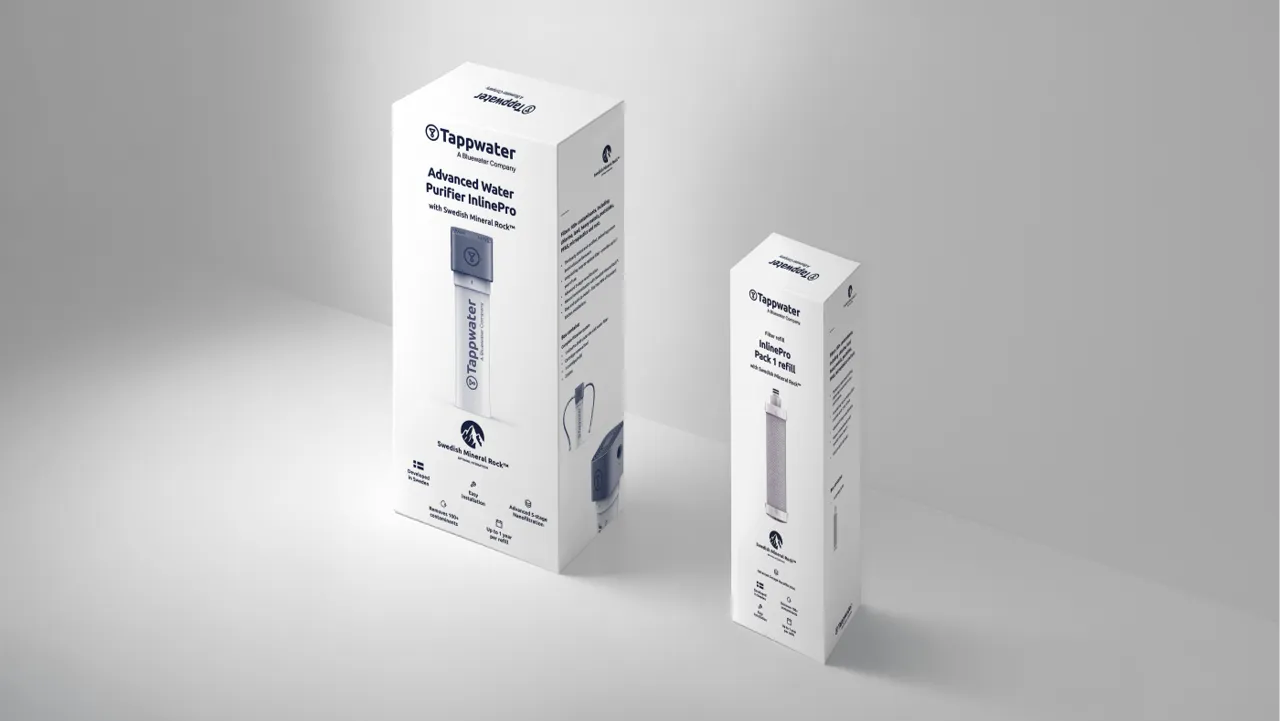
Certified filter systems according to NSF/ANSI 58 standards offer the highest level of reliability. These systems have been tested for their effectiveness in removing specific contaminants. When choosing a system, consider certifications and ease of maintenance. Filters must be replaced regularly to ensure optimal performance.
Adequate hydration is essential during pregnancy. Pregnant women need 2.3 liters of fluid daily. Purified water with a pleasant taste makes it easier to achieve this amount. Moreover, pure water contributes to good blood flow to the placenta and the production of sufficient amniotic fluid.
Choosing additional water purification during pregnancy is a personal decision. Dutch tap water is safe, but for those who want absolute certainty, modern water filter systems with reverse osmosis technology offer the most complete protection. These systems remove not only known contaminants but also emerging substances whose effects are not yet fully understood. This way, you can enjoy every glass of water with peace of mind during this special time.