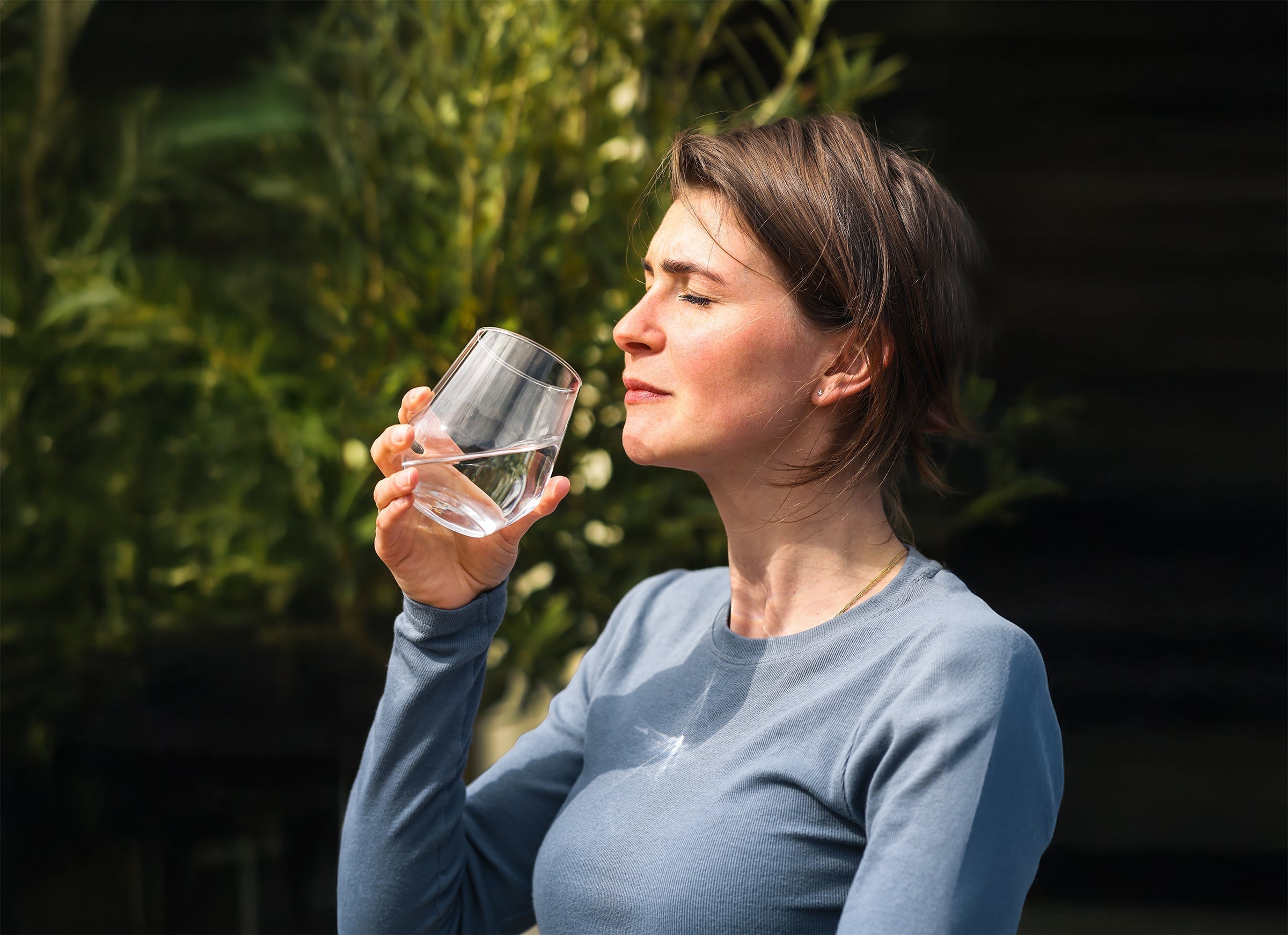
Tap water with an unusual odor is usually caused by natural processes, seasonal influences, or treatment methods used by water companies. Chlorine , sulfuric, or metallic odors are the most common causes and are almost always harmless. These odors can be temporary due to pipework or changes to the water source, but sometimes they are more persistent and require a permanent solution, such as a reverse osmosis water filter system.
Why does my tap water smell different than usual?
The smell of tap water can change suddenly due to various natural and technical causes. Water companies in the Netherlands extract drinking water from groundwater and surface water, and each season presents different challenges. In summer, algae in surface water can cause an earthy or musty odor, while in winter, more chlorine is added to combat bacteria.
Pipe work is another common cause of temporary odor changes. When water pipes are repaired or replaced, sediments normally stuck to the inside of the pipes can be loosened. This often causes a metallic or rusty smell that dissipates after a few days.
The treatment processes at water companies also play a significant role. Dutch water companies use various purification methods that add chemicals like chlorine to make the water safe. While these substances are essential for safety, they can affect the odor and taste of water without posing a health risk.
What odors can occur in tap water?
Several specific odors can occur in tap water, each with its own cause and meaning. The most common is the chlorine smell , similar to swimming pool water, which is caused by disinfectants used by water companies. This odor is especially noticeable when extra chlorine is added during warmer periods or after work.
| Type of scent | Possible cause | When occurring |
|---|---|---|
| Chlorine (swimming pool) | Disinfectants | Summer, after work |
| Sulphur (rotten eggs) | Bacteria in pipes/boiler | In stagnant water |
| Metallic | Old pipes, sediment | After work |
| Earthy/musty | Algae, organic material | Summer, dry periods |
A sulfurous odor, reminiscent of rotten eggs, is usually caused by bacteria in hot water heaters or in pipes where water has been stagnant for extended periods. These bacteria produce hydrogen sulfide, which causes the characteristic smell. Metallic odors often indicate corrosion in older pipes or the loosening of iron and copper particles.
Earthy or musty odors are particularly prevalent during dry periods when reservoir water levels are low. Organic matter such as algae and leaves can have a greater impact on water quality, especially in water drawn from surface sources.
Is tap water with a strange smell dangerous to drink?
In the Netherlands, tap water with an unusual odor is almost never hazardous to health. Dutch water quality standards are among the strictest in the world, and water companies conduct thousands of inspections daily to ensure safety. Therefore, an unpleasant odor does not automatically mean the water is unsafe.
Understanding the difference between an unpleasant odor and actual contamination is important. Many odorants are detectable at very low concentrations, far below the level that would be harmful. Chlorine, for example, can be detected at concentrations that are completely safe according to drinking water standards.
Contacting the water company is advisable in the following cases:
- A sudden, very strong chemical odor
- Odors associated with water discoloration
- Persistent odors that don't disappear after several days
- Odors that only occur with hot water (may indicate problems with the boiler)
How can I improve the smell of my tap water?
There are several ways to improve the smell of tap water, from simple home remedies to sophisticated home water filtration systems . The simplest method is to leave water in an open container for a few hours, allowing volatile compounds like chlorine to evaporate. For a faster result, you can boil the water for a few minutes.
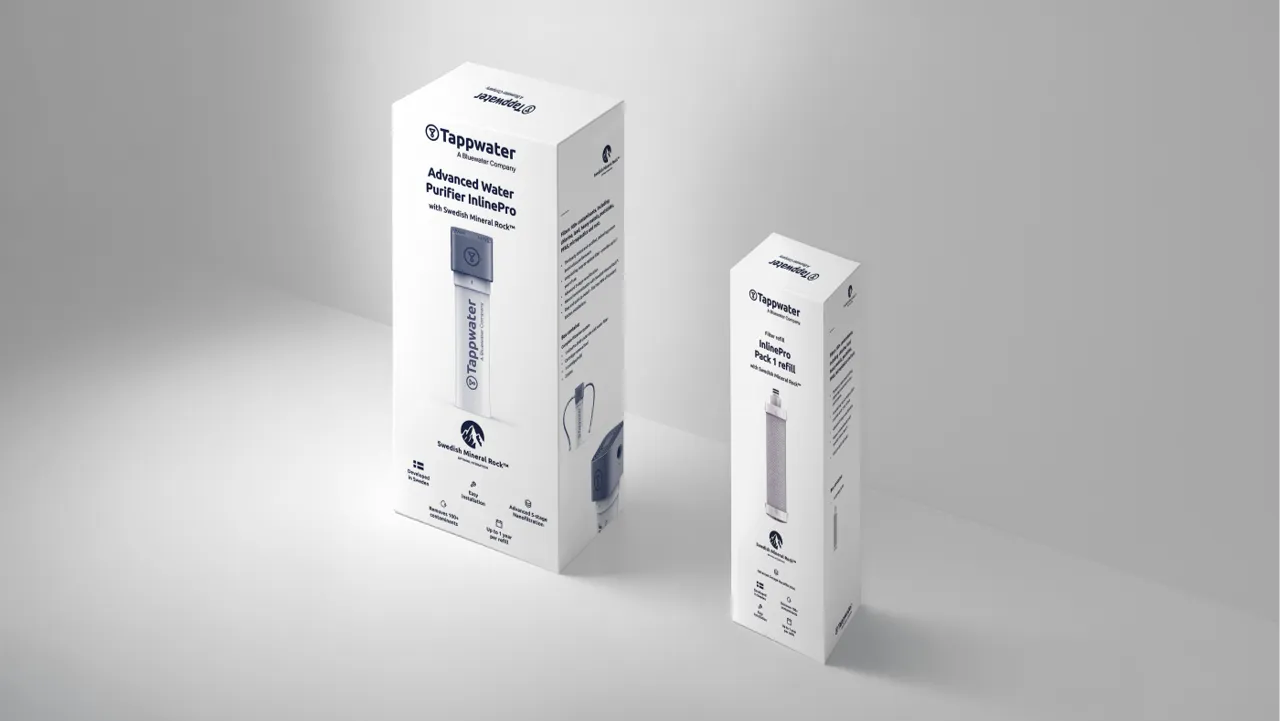
For structural odor problems, modern filtration methods offer the best solution. Reverse osmosis technology is particularly effective because it removes up to 99% of all undesirable substances, including those that cause unpleasant odors. This process filters not only odors but also pharmaceutical residues, pesticides, PFAS, and heavy metals that may be present in the water.
Practical tips for immediate improvement:
- Let the tap run for a few minutes in the morning before drawing water
- Store water in a glass jug in the refrigerator
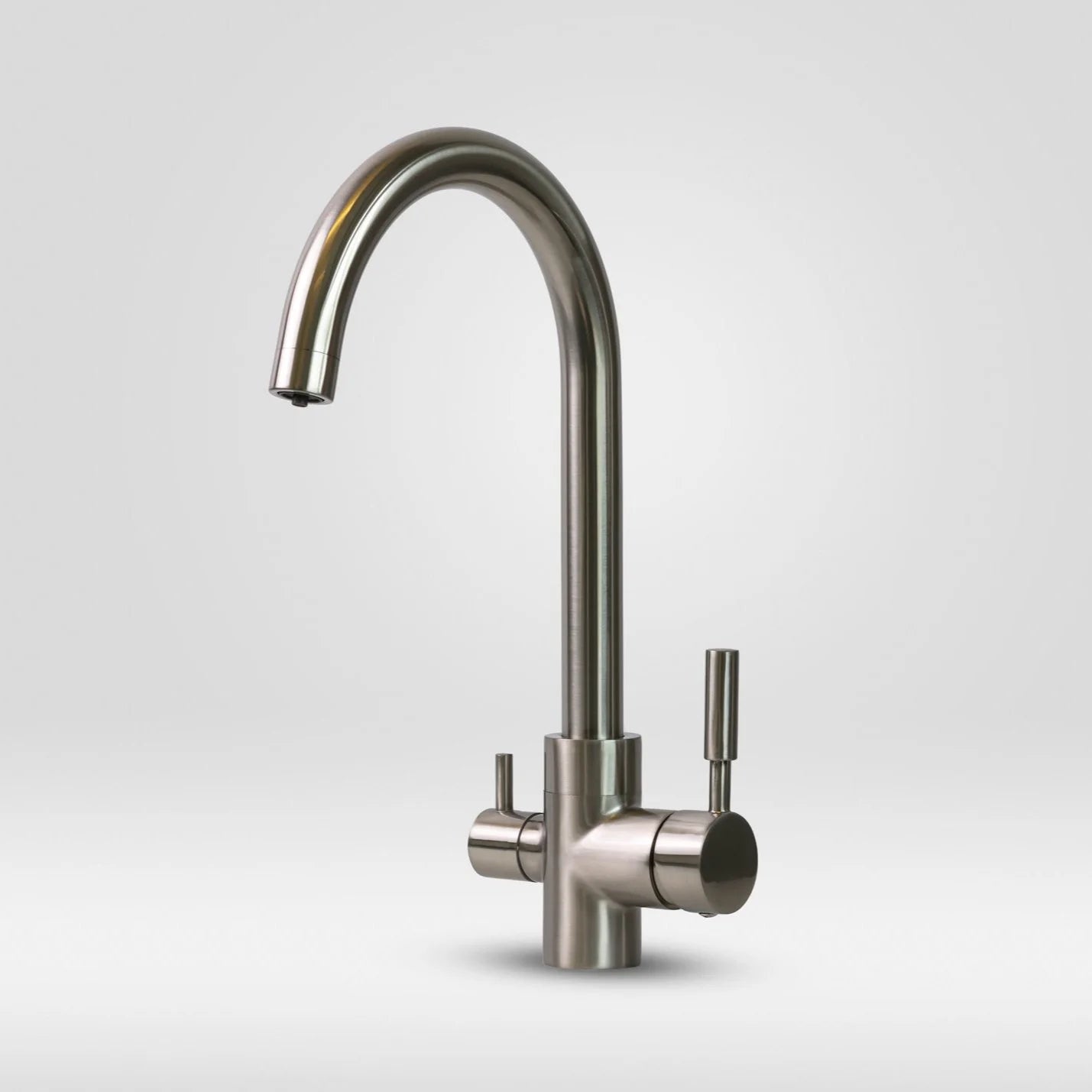
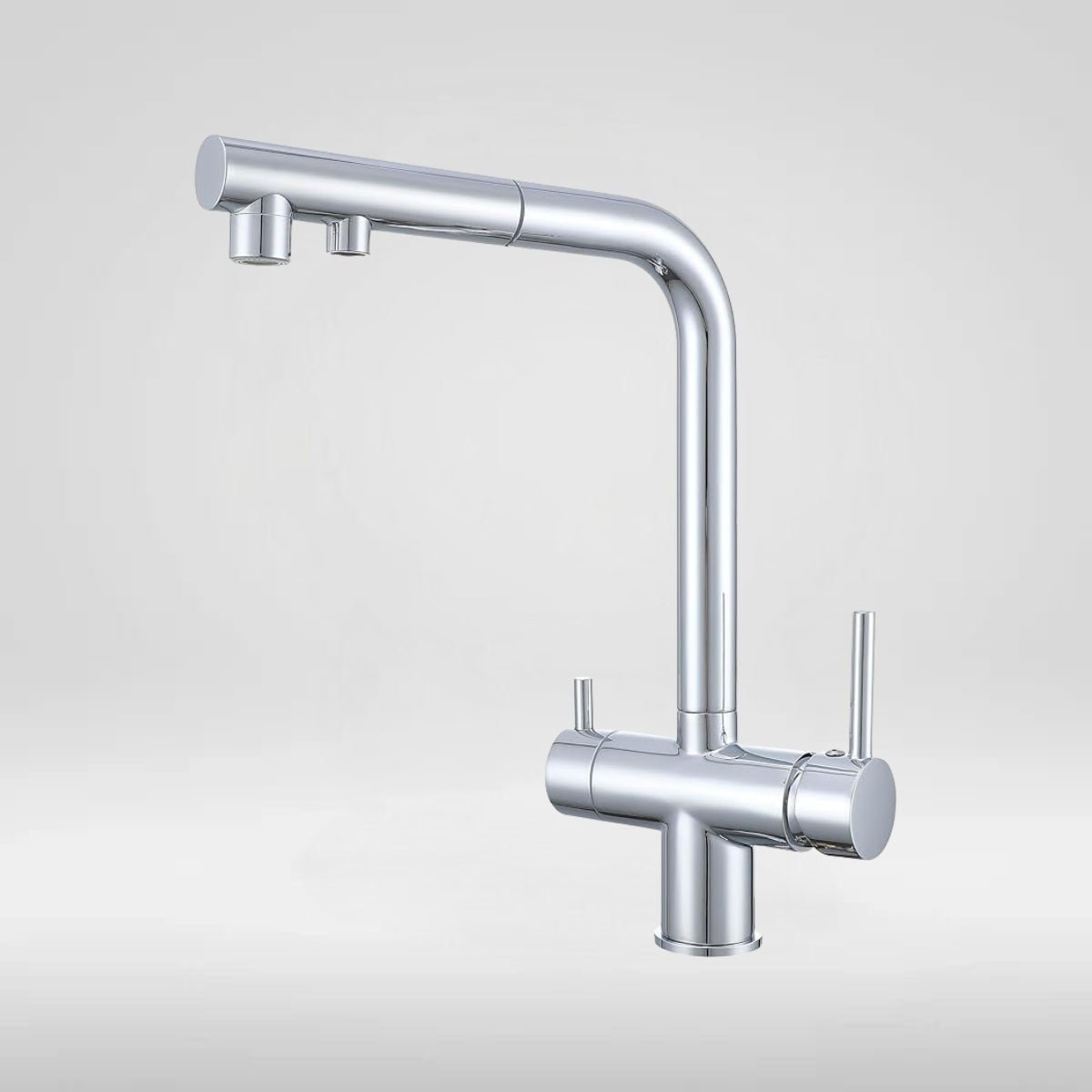
- Clean the perlator (sieve) of your tap regularly
- Check and maintain your hot water boiler annually
- Consider a water filter system for a long-term solution
When is a water filter the best solution for odors?
A water filter system is the most effective approach when odor problems are persistent or recurring. Temporary solutions like leaving the water standing still are effective, but require additional daily maintenance and don't solve all odor problems. Modern filter systems, on the other hand, offer a permanent solution that provides fresh water immediately.
Situations where filtration is highly recommended:
- Persistent chlorine odors despite ventilation
- Varying water quality due to seasonal influences
- Old pipes in the house that cause a metallic taste
- Sensitivity to odors and tastes in water
- Desire for consistently pure water without daily hassle
The difference between temporary solutions and permanent filtration systems is significant. While a carbon filter in a water jug only removes the worst odors, a reverse osmosis system removes virtually all odor-causing substances. Moreover, these systems operate without electricity and require minimal maintenance, making them a practical and sustainable long-term choice for families who value consistently clean drinking water.
What should I remember about odors in tap water?
The most important lesson about tap water odors is that they are usually harmless but can be a nuisance to your daily water use. Dutch water companies provide safe drinking water that meets strict standards, but natural processes and necessary treatments can influence the odor. Different causes require different approaches, from simple ventilation to structural filtration.
For those who want consistently odorless and pure water, modern reverse osmosis filtration offers the most reliable solution. This technology not only removes odors but also provides spring-quality water, straight from your own tap. Whether you choose temporary measures or a permanent system, the most important thing is to know that tap water in the Netherlands is safe, even if it smells different than usual.
Want to learn more about how water purification and filtration can contribute to better drinking water in your situation? Contact water quality experts who can advise you on the best solution for your specific situation and needs.