Tap water with a chlorine taste is caused by water companies adding chlorine as a disinfectant to kill bacteria and viruses during transport through the pipe network. This swimming pool-like odor and taste, while safe by Dutch standards, can be unpleasant. Fortunately, there are effective methods for removing chlorine from tap water, with modern water filter systems using reverse osmosis technology offering the most complete solution for permanently pure and delicious drinking water.
Why does the water company add chlorine to our tap water?
Water companies are legally obligated to supply drinking water that meets strict safety standards. Chlorine plays a crucial role in this as a disinfectant, effectively killing pathogens such as bacteria, viruses, and parasites. This occurs not only during purification in the water treatment plant, but especially during the long transport through kilometers of pipes to your tap.
Adding chlorine is necessary because otherwise, water can become contaminated during transport. Pipes can have small cracks or become contaminated due to construction work, allowing bacteria to enter the water. The added chlorine remains active in the water and prevents these microorganisms from multiplying before the water reaches your tap.
Dutch water companies typically use a concentration of between 0.1 and 0.3 milligrams of chlorine per liter of water. This amount is sufficient to keep the water safe, but low enough not to pose any health risks. However, this concentration can still cause that characteristic chlorine taste that many people find unpleasant.
How do you recognize a chlorine taste in your tap water?
The chlorine taste in tap water is usually immediately recognizable by the characteristic swimming pool smell you notice as soon as you turn on the tap. This chemical odor is often most noticeable with the first glass of water in the morning, when the water has been sitting in the pipes for a while. The taste is described as sharp, chemical, or medicinal, similar to the water in a swimming pool.
Besides the smell and taste, you can also recognize a chlorine taste by:
- A dry feeling in the mouth after drinking
- A slight burning sensation in the throat
- An aftertaste that lingers
- Water that feels less refreshing
The intensity of the chlorine taste can vary depending on several factors. In summer, more chlorine is often added due to higher temperatures that promote bacterial growth. The distance to the water treatment plant also plays a role: the further away you live, the more chlorine is added to keep the water safe during transit. If the chlorine smell is overwhelming or the water smells of bleach, this could indicate a malfunction or work is being carried out on the water supply system.
Is tap water with a chlorine taste harmful to your health?
Tap water with a chlorine taste is safe to drink according to Dutch drinking water standards. The Human Environment and Transport Inspectorate (ILT) strictly monitors whether water companies comply with the maximum permitted concentration of 0.3 milligrams of chlorine per liter. This limit is well below the level at which health effects can occur, even with prolonged use.
The World Health Organization (WHO) confirms that chlorine concentrations up to 5 milligrams per liter are safe for human consumption. Dutch water companies therefore remain well below this international safety limit. For most people, chlorinated tap water poses no health risk whatsoever.
However, there are some groups that need to pay extra attention to water quality:
- People with a weakened immune system
- Pregnant women (especially because of possible byproducts)
- People with skin conditions such as eczema
- Aquarium enthusiasts (chlorine is harmful to fish)
Although chlorine itself is safe at the concentrations used, it can react with organic substances in the water, creating disinfection byproducts. These substances are closely monitored, but some people choose to install a water filtration system as a precaution that removes both chlorine and these byproducts.
Which methods work best to remove chlorine from tap water?
There are several methods for removing chlorine from tap water, each with its own effectiveness and application. The simplest method is to leave water in an open container for 24 hours, allowing the chlorine to slowly evaporate. This method is free but time-consuming and impractical for daily use.
Activated carbon filters are a popular choice for chlorine removal. These filters effectively adsorb chlorine and immediately improve the taste and odor of the water. They are available as canister filters, faucet filters, or built-in systems. While they work well for chlorine, they do not remove heavy metals, pharmaceutical residues, or other micropollutants.
| Filter method | Chlorine removal | Other substances | Maintenance frequency |
|---|---|---|---|
| Activated carbon | 95% | Limited | Every 2-3 months |
| Reverse osmosis | 99% | 99% of all substances | Annual |
| UV disinfection | 0% | Only bacteria | Lamp annually |
| Ceramic filters | 50% | Bacteria, sediment | Every 6 months |
For the most complete water purification, reverse osmosis is the gold standard. This technology not only removes 99% of chlorine but also filters PFAS, pharmaceutical residues, pesticides, heavy metals, and microplastics from the water. The result is spring-quality water, comparable to the purest natural spring water.
How can a water filter system permanently improve the taste of your tap water?
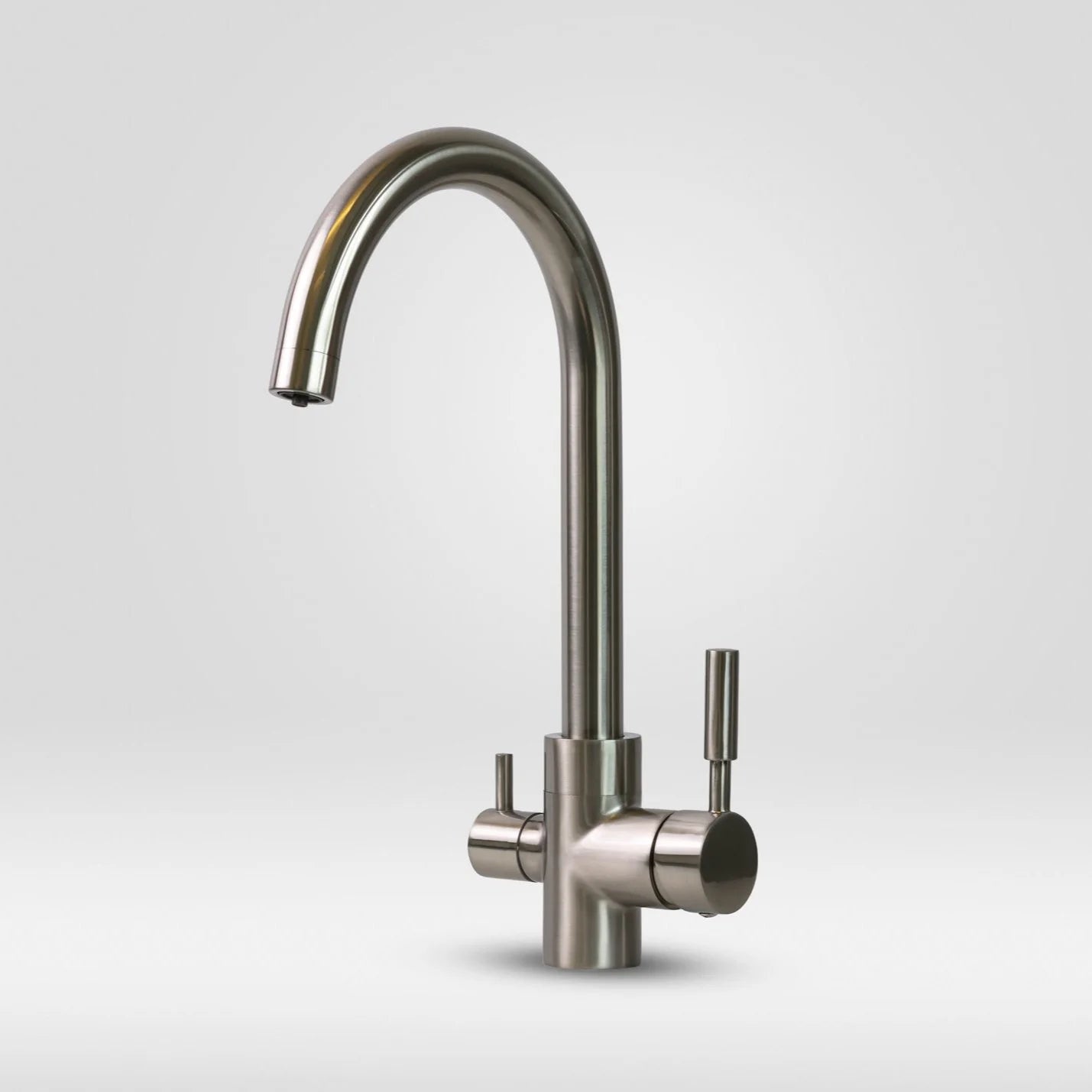
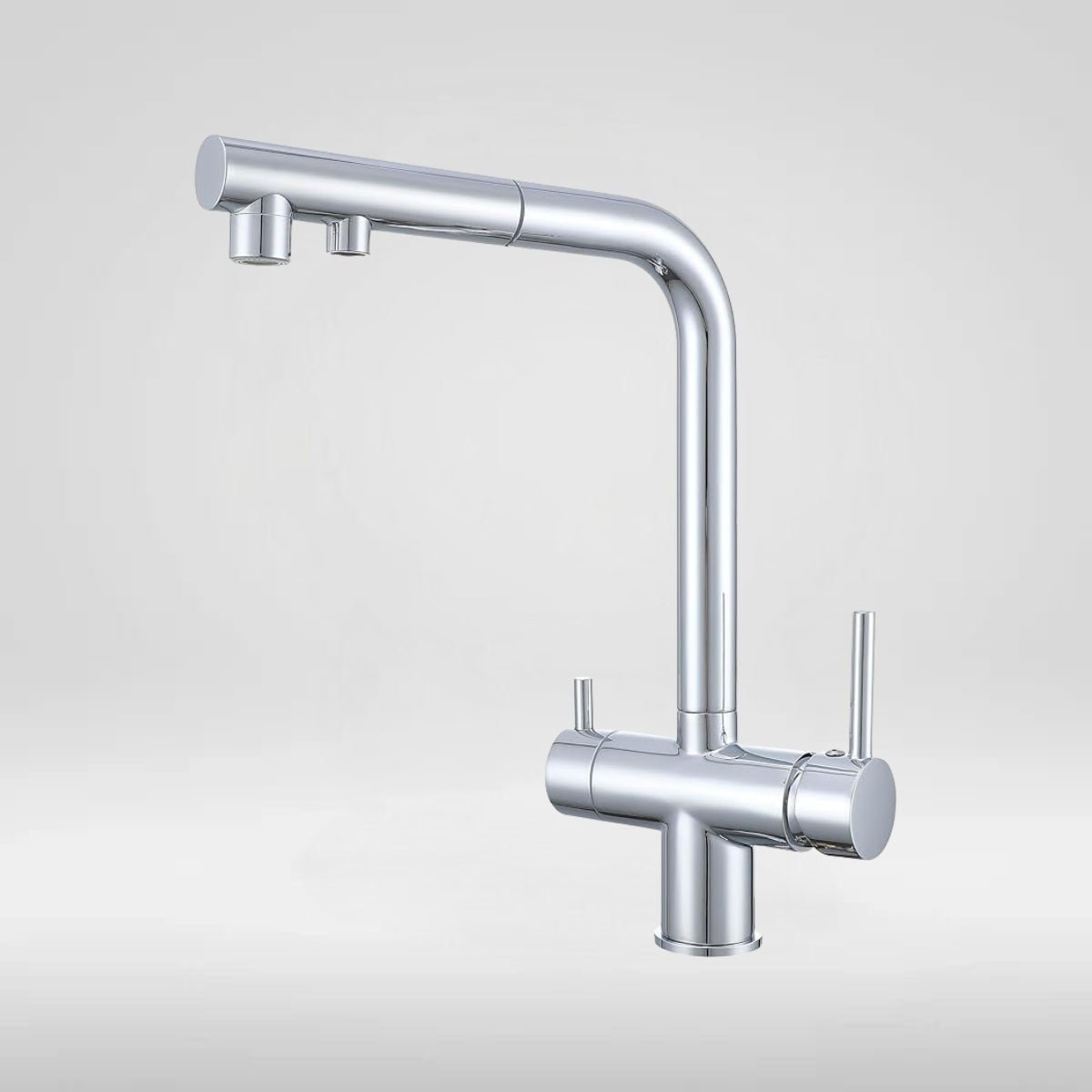
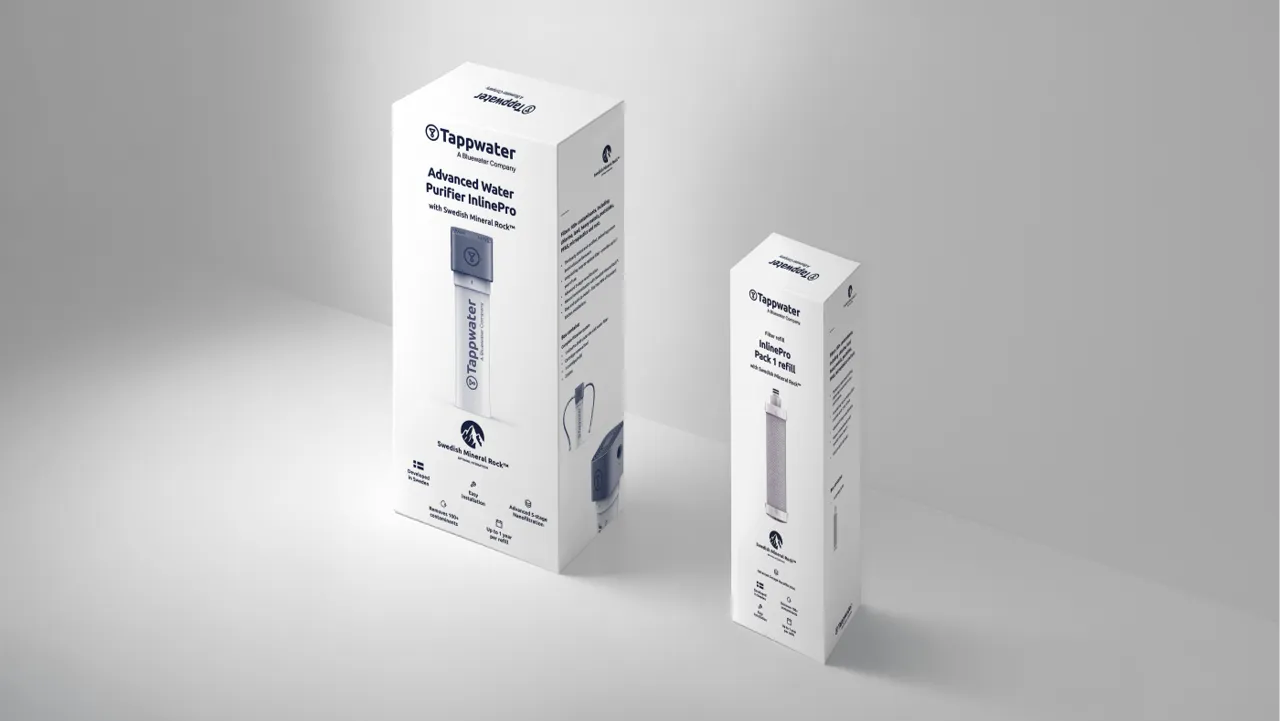
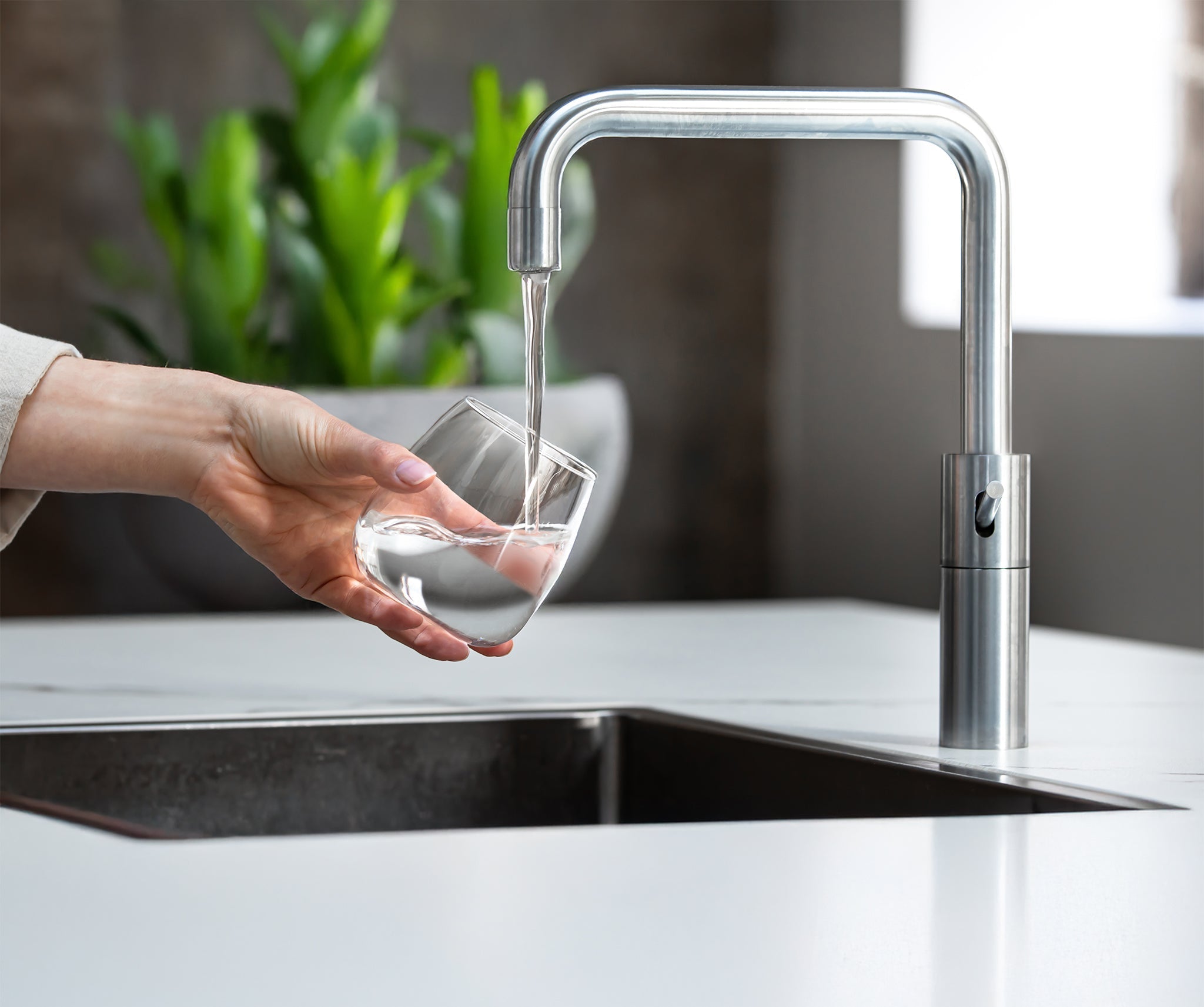
Modern home water filter systems offer a permanent solution to the chlorine taste in tap water. These systems are typically installed under the sink and continuously deliver purified water through a separate faucet. The most advanced systems use reverse osmosis technology, where water is forced under pressure through a semi-permeable membrane that only allows water molecules to pass through.
Installing a water filter system is simpler than many people think. Most systems come with clear instructions and can be installed in just a few hours. The system connects to the cold water supply and has its own storage tank for purified water. Some modern systems even operate without electricity, making them extra sustainable.
Maintenance of a water filter system is minimal but essential for optimal performance:
- Replace pre-filters every 6-12 months
- Replace membrane every 2-3 years
- Annual system check
- Disinfect the storage tank periodically
The long-term benefits are significant. Not only do you enjoy chlorine-free water every day, but the system also removes other harmful substances that may be present. The water tastes fresher and smoother, which is especially noticeable when brewing tea or coffee. Even flowers stay fresher longer in purified water because there's no chlorine to corrode the stems.
What are the main benefits of purified tap water without the chlorine taste?
Purified tap water without the chlorine taste transforms your daily water consumption in several ways. The most immediate benefit, of course, is the improved taste: water becomes a refreshing thirst quencher again instead of a necessary evil. This motivates you to drink more water, contributing to better hydration and overall health.
The impact on hot beverages is striking. Coffee develops a fuller, richer flavor without the bitter aftertaste that chlorine can cause. Tea, especially delicate teas like green or white tea, develops its natural aromas better in pure water. Even when cooking, you'll notice the difference: vegetables retain their natural color better, and pasta or rice taste cleaner.
For your household, chlorine-free water offers practical advantages:
- Pets prefer to drink water without the chlorine taste
- Flowers stay fresh up to 30% longer
- Ice cubes are clear and tasteless
- Preparing baby food with pure water
- No chlorine damage to rubber seals in appliances
From a sustainability perspective, a home water filter system drastically reduces the use of plastic bottles. The average family saves hundreds of plastic bottles per year, which is not only good for the environment but also for your wallet. With modern systems that produce up to 500% less wastewater than traditional filters, you actively contribute to water conservation. Investing in home water purification is therefore not only a choice for better taste and health, but also for a more sustainable lifestyle.