
White flakes in tap water are usually limescale or mineral deposits consisting of calcium and magnesium salts. These naturally occurring minerals occur in hard water and become visible when they precipitate due to temperature changes, evaporation, or changes in water pressure. While these particles are usually harmless, they can affect the taste and appearance of water.
What are those white flakes in my tap water anyway?
The white flakes you see in tap water are primarily composed of limescale particles and minerals like calcium and magnesium. These substances occur naturally in groundwater and surface water because rainwater seeps through rock layers and absorbs minerals. In the Netherlands, most drinking water is extracted from groundwater, which collects various minerals along the way.
There's a key difference between suspended solids and precipitate. Suspended solids are tiny mineral fragments that are constantly present in water and become visible when stagnant. Precipitation forms when dissolved minerals crystallize from the water, especially during heating or evaporation. This explains why you often see more white deposits in kettles or around faucets where water evaporates.
The composition of these flakes varies depending on the water source and the geological conditions in your region. Besides calcium and magnesium, trace elements such as iron, manganese, and silicates may also be present, albeit in much smaller quantities.
Why do I suddenly see white particles in my water?
The sudden appearance of white flakes in tap water has several causes. Changes in water pressure can release previously dissolved minerals and make them visible. When water pressure fluctuates, for example, due to work on the water supply system, limescale deposits in pipes can break loose and end up in the water as flakes.
Temperature fluctuations play a crucial role in the solubility of minerals. Cold water can hold more minerals than warm water. When water warms up, its solubility decreases, and minerals precipitate as visible particles. This phenomenon is especially noticeable in winter when cold tap water flows into your warm home.
Seasonal variations also affect water quality . During dry periods, the mineral concentration in the water source can increase due to evaporation. During rainy seasons, increased water flow can bring more sediment. Construction on the water supply system often disrupts years of limescale deposits in pipes, temporarily leading to more visible particles.
Are white flakes in tap water harmful to my health?
Limescale particles and mineral flakes in tap water are generally not harmful to health. Calcium and magnesium are essential minerals the body needs for strong bones, muscle function, and nerve function. The amounts in tap water contribute to daily mineral needs without posing any health risks.
The presence of white flakes does affect the taste and appearance of water. Many people find hard water with mineral particles to be less refreshing or even chalky. For tea and coffee lovers, this can negatively impact the taste, as minerals can mask the delicate aromas.
There are situations where professional advice is advisable:
- If the flakes suddenly change color (brown, green or black)
- If you have a metallic or chemical odor
- When the amount of flakes increases extremely
- If health problems occur after consuming water
For people with kidney problems or specific dietary restrictions, it may be useful to consult a doctor about the mineral content of their drinking water.
How can I remove white flakes from my tap water?
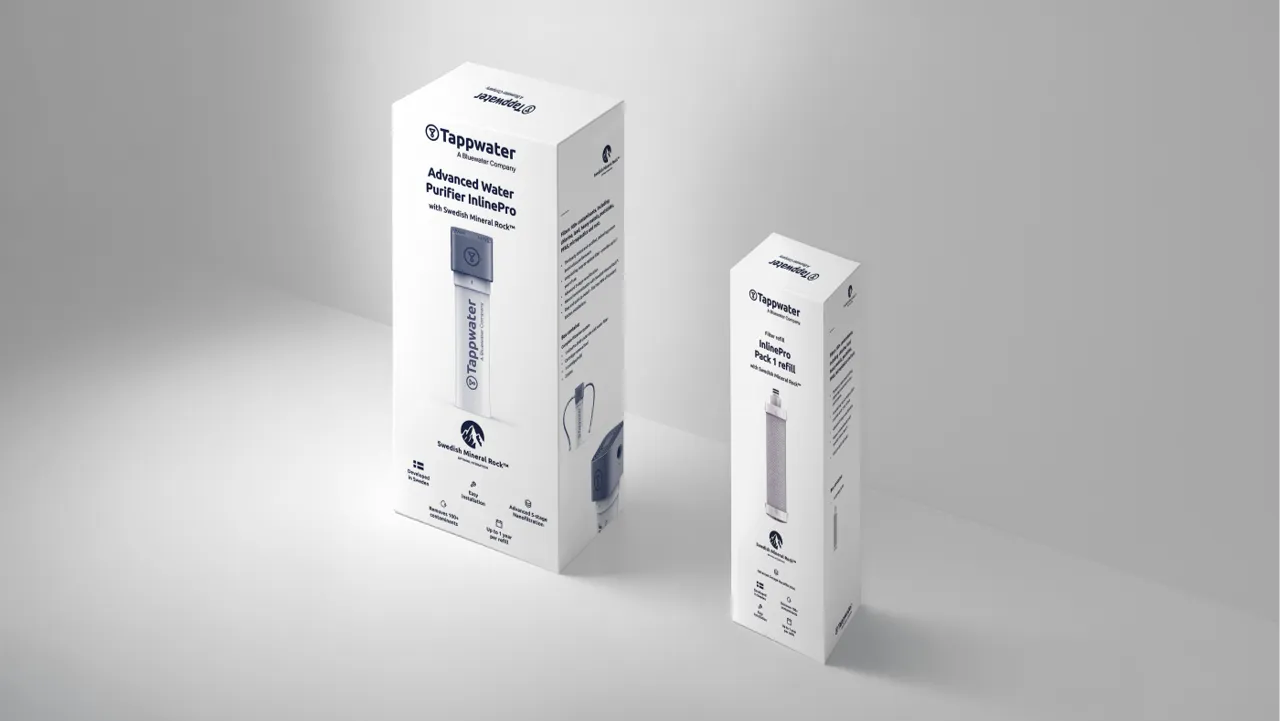
There are several methods for removing white flakes from tap water, each with its own advantages and disadvantages. Sediment filters are the most basic solution and trap coarse particles using a fine filter material. These filters are effective against visible flakes but do not remove dissolved minerals that can later settle.
Carbon filters primarily improve the taste and odor of water by absorbing organic matter. While they can reduce some minerals, they are less effective against limescale. For a thorough approach to mineral flakes, reverse osmosis is the most effective method.
A complete home water filter system using reverse osmosis technology removes up to 99% of all unwanted substances, including dissolved minerals that cause white flakes. This system works by forcing pressurized water through a semi-permeable membrane, allowing only pure water molecules to pass through.
| Filter method | Effectiveness against flakes | Maintenance frequency | Cost efficiency |
|---|---|---|---|
| Sediment filter | Moderate (visible particles only) | Every 3-6 months | Low |
| Carbon filter | Limited | Every 6 months | Average |
| Reverse osmosis | Excellent (99% removal) | Annual | High in the long term |
Which water filters work best against limescale and mineral particles?
For the effective removal of limescale and mineral particles, a reverse osmosis system is the best choice. This type of water filtration not only removes visible flakes but also prevents new formation by eliminating dissolved minerals. Modern RO systems operate without electricity and produce up to 500% less wastewater than traditional systems.
Installing a reverse osmosis system is easier than ever. Compact designs fit under most sinks and require minimal maintenance. Filters only need replacing once a year, with the RO membrane lasting up to 24 months. This makes the total maintenance cost less than €10 per month.
Long-term benefits of advanced water filtration include:
- Protection of household appliances against limescale deposits
- Improved taste of drinks such as tea and coffee
- Longer life of flowers in vases
- Saving on bottled water and descaling agents
- Contribution to sustainability by reducing plastic waste
When choosing a water filter system, it is important to look for certifications such as IAPMO NSF/ANSI 58, which guarantee safety and effectiveness.
Important information about white flakes and water quality
White flakes in tap water are usually a sign of hard water with high mineral concentrations. While not directly harmful, they can indicate the need for water treatment, especially when the flakes occur frequently or affect the taste. Monitoring water quality at home is easy with a TDS meter, which measures total dissolved solids.
Taking action is especially important when:
- The TDS value is above 300 ppm
- Devices calcify faster than normal
- The taste of the water noticeably deteriorates
- There are health considerations
Modern filtration methods offer an effective solution for removing white flakes and improving overall water quality. A system that purifies tap water using reverse osmosis technology transforms hard water, containing mineral particles, into pure, fresh drinking water of spring quality.
To make a well-informed choice, it's advisable to first test the water quality, determine your household's specific needs, and choose a system that suits your water consumption and budget. With the right approach, you'll enjoy crystal-clear water every day without worrying about white flakes or mineral deposits.