When choosing a water filter, quality is essential. The right certifications guarantee that a water filter effectively removes harmful substances and is safe for daily use. Internationally recognized quality marks such as NSF/ANSI and European certifications like KIWA play a crucial role in assessing the reliability of water filter systems. These quality standards test filters on various aspects, from material safety to filtration capacity.
Which certificates do good water filters have?
The quality and safety of water filters are guaranteed by various certifications that adhere to strict standards. These certificates are not just a marketing tool, but an essential guarantee that the filter is functioning effectively and safely. Internationally, NSF/ANSI certifications are the most respected, while in Europe, certifications such as KIWA, WRAS, and DIN are the standard.
Good water filters are tested for their ability to remove specific contaminants, the durability of materials, and the structural integrity of the system. These certifications provide consumers with the assurance that the filter does what it promises: providing cleaner and safer drinking water without adding harmful byproducts.
What does NSF/ANSI certification mean for water filters?
NSF/ANSI certifications are recognized worldwide as the gold standard for water filters. These certifications are issued by the National Sanitation Foundation and the American National Standards Institute, organizations that employ strict testing protocols to ensure the safety and effectiveness of water filters.
The various NSF/ANSI standards test specific aspects of water filtration:
- NSF/ANSI 42 : Test filters for improving aesthetic properties such as taste, odor, and clarity, especially the removal of chlorine.
- NSF/ANSI 53 : Evaluates the ability to remove health-hazardous contaminants such as lead, volatile organic compounds, and parasites.
- NSF/ANSI 58 : Specifically for reverse osmosis systems, such as our "The Source" which removes up to 99% of unwanted substances.
- NSF/ANSI 401 : Test for the removal of emerging contaminants such as drug residues and hormones.
When choosing a water filter system for your faucet, it's important to check which NSF/ANSI standards the filter has met. The more certifications, the more comprehensive the level of protection the filter offers.
How do you recognize a reliable water filter system for your tap?
A reliable water filter system for your faucet can be recognized by several quality indicators. First, you should look for certification logos on the product or packaging. Legitimate certifications are often clearly visible because manufacturers are proud of these quality guarantees.
Besides certifications, there are other features that indicate a quality water filter:
- Material Specifications: High-quality filters use BPA-free and food-safe materials.
- Transparent filtration technology: Good manufacturers explain which technology is used (such as reverse osmosis)
- Clear replacement indications: Information on when filters need to be replaced
- Multi-stage filtration: Systems with multiple filter stages often provide better results
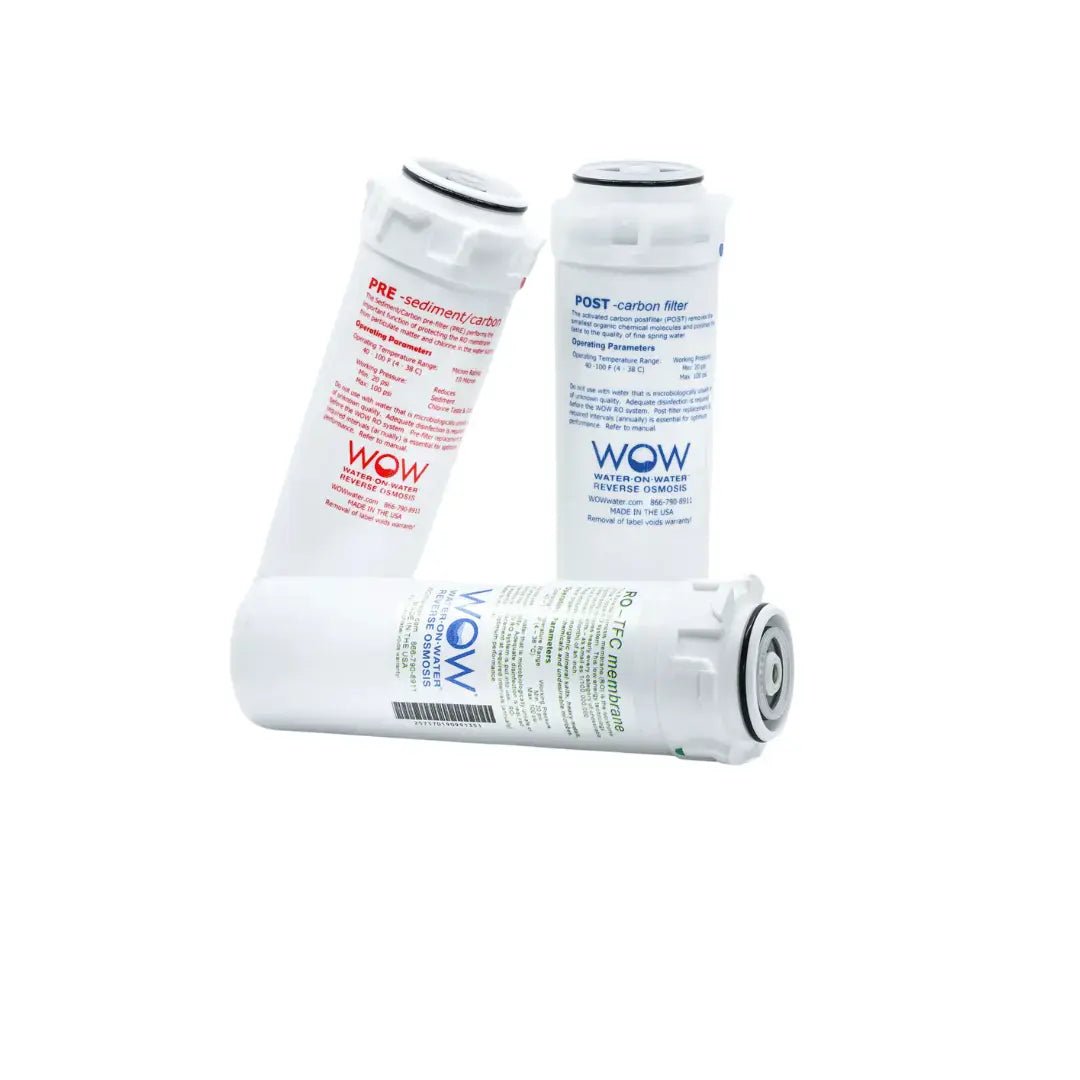
At PureAqua, for example, we use a 4-step filtration process in our "The Source" system, where the water first passes through a pre-filter, then through the reverse osmosis membrane, is then stored in a special tank, and finally passes through a post-filter for optimal taste.
A reliable water filter system is not only certified, but also offers transparency about the filtration process and the materials used.
Which European certificates are important for water filters?
In Europe, various certifications are important for water filters, each with its own focus and strictness:
- KIWA : A Dutch quality mark that tests water filters for safety, durability, and effectiveness. KIWA certification guarantees that products comply with European drinking water guidelines.
- WRAS (Water Regulations Advisory Scheme): A British certification that ensures that water products do not lead to waste, misuse or contamination of drinking water.
- DIN : German industrial standards that place strict requirements on the materials and performance of water filters.
These European certificates complement international standards like NSF/ANSI and are specifically tailored to European water quality standards and regulations. For consumers in the Netherlands, KIWA certification is a particularly important quality feature when choosing a water filter.
When comparing water filter systems, it's helpful to check whether a product has achieved both international and European certifications, which indicate extensive testing and widespread recognition of quality.
Key insights on water filter certifications
When choosing a water filter, certifications are the most reliable indicators of quality and effectiveness. The key points to remember are:
- Look for multiple certifications - a combination of NSF/ANSI and European certifications offers the best guarantee
- Check which specific contaminants a filter removes according to its certifications
- Please note the validity and currentness of the certificates
- Consider reverse osmosis technology systems for the most comprehensive filtration
At PureAqua, we meet the highest certification standards with our "The Source" water filter system, which is certified to IAMPO NSF/ANSI 58 for reverse osmosis systems. This system removes up to 99% of unwanted substances from tap water, including inorganic minerals, heavy metals, toxic organic chemicals, and microbes.
By choosing a certified water filter system, you're not only investing in cleaner drinking water, but also in your family's health and well-being. The pure water not only enhances the taste of your beverages but also contributes to a more sustainable lifestyle by reducing your reliance on bottled water.