Protect babies from harmful substances in tap water by using a reverse osmosis water filtration system that removes up to 99% of unwanted substances. This technology effectively filters lead, nitrates, pharmaceutical residues, PFAS, and microplastics from the water, providing safe water for bottle feeding and first meals. For optimal protection, use filtered water from birth for all baby food and drinks.
Why is the quality of tap water important for my baby?
The quality of tap water is crucial for babies because their developing immune systems are much more vulnerable to water contaminants than those of adults. Babies drink relatively more water per kilogram of body weight, meaning they are proportionally more exposed to potential harmful substances.
A baby's body is still developing, especially the kidneys, liver, and brain. These organs are more sensitive to toxins like lead, which can disrupt neurological development even in small doses. Nitrates pose a particular risk to babies under six months of age because they can cause methemoglobinemia, a condition in which the blood is less able to carry oxygen.
Clean water is essential for bottle feeding. Formulated milk already contains the right amount of minerals for your baby, so water with additional minerals or contaminants can disrupt the balance. When preparing first foods like vegetable puree or porridge, clean water is equally important, as contaminants can concentrate during cooking.
Pharmaceutical residues in tap water are a growing concern. Although concentrations are low, we don't yet know the precise long-term effects of exposure to antibiotics, hormones, and painkillers during the crucial first years of life.
What harmful substances can be found in tap water?
Dutch tap water is among the cleanest in the world, but it can still contain various contaminants that are especially problematic for babies. Strict regulations guarantee safe drinking water for adults, but babies require a higher standard of protection.
Heavy metals like lead can enter the water system through old pipes, especially in homes built before 1960. Copper from new pipes can also leach out, which can cause gastrointestinal problems in babies. These metals accumulate in the body and can disrupt organ development.
Pesticides and herbicides leach from agricultural land into groundwater. Although water companies monitor these substances, seasonal peaks can occur. Endocrine disruptors such as bisphenol A (BPA) and phthalates enter the water cycle via industrial wastewater and can affect the hormonal development of babies.
Microplastics are a relatively new concern. These tiny plastic particles pass through conventional water treatment plants and are increasingly found in tap water. Their health effects on babies are still being investigated, but precaution is advised.
Pharmaceutical residues pose a complex problem. Antibiotics, antidepressants, hormones from birth control pills, and painkillers are not completely filtered from wastewater. Babies are particularly sensitive because their liver enzymes are not yet fully developed to break down these substances.
| Type of pollution | Possible sources | Risks for babies |
|---|---|---|
| Lead | Old water pipes | Neurodevelopmental disorders |
| Nitrates | Agricultural fertilizer | Methemoglobinemia (blue baby syndrome) |
| PFAS | Industrial processes | Immune system weakening |
| Drug residues | Domestic wastewater | Hormonal disruption |
| Microplastics | Plastic degradation | Unknown long-term effects |
How does reverse osmosis work for baby-safe water?
Reverse osmosis is the most effective technology for producing baby-safe water. This process forces pressurized water through a semi-permeable membrane with pores so small that only water molecules can pass through. Contaminants are retained and removed.
The membrane has pores of approximately 0.0001 microns, allowing it to trap even the smallest contaminants. Bacteria, viruses, heavy metals, pesticides, pharmaceutical residues, and PFAS are all effectively removed. This results in water that is up to 99% purified of unwanted substances.
For baby food, reverse osmosis is superior to other methods. While boiling kills bacteria and viruses, it doesn't remove chemical contaminants. In fact, boiling can actually increase the concentration of some substances, such as nitrates, through evaporation. Standard carbon filters remove chlorine and improve flavor, but allow many smaller molecules, such as pharmaceutical residues, to pass through.
A key advantage of modern home water filter systems is that they add essential minerals like calcium and magnesium after purification. This is done via a remineralization filter, making the water not only safe but also healthy for your baby. The result is spring-quality water, ideal for preparing formula where mineral balance is crucial.
The technology operates entirely without electricity, using the water pressure in your mains. This makes the system not only energy-efficient but also reliable—you always have access to purified water, even during power outages.
When should I use filtered water for my baby?
Filtered water is recommended from birth for all water-related activities. This begins with preparing the first bottle and remains important throughout the baby and toddler years.
Always use filtered water for bottle feeding , regardless of whether you're combining breastfeeding with bottle feeding or switching entirely to bottle feeding. Boil the filtered water to 70°C (168°F) first to kill any bacteria in the formula, then let it cool to drinking temperature. The advantage of filtered water is that you don't have to worry about chemical contaminants that boiling doesn't remove.
When transitioning from exclusively milk to solid food, usually around 4-6 months, filtered water becomes even more important. Use it for:
- Preparing vegetable and fruit purees
- Cooking rice, pasta and grains for your baby
- Diluting concentrated juices (although water remains the best thirst quencher)
- Cleaning pacifiers and bottles
Babies can take small sips of water from around 6 months, especially in warm weather or when eating solid food. Always use filtered water from a clean cup. Between 6 and 12 months, a baby needs about 200-250ml of water per day in addition to their milk.
After the first year, when toddlers transition to regular milk and more solid foods, filtered water remains the best choice. Their kidneys and immune systems are still developing, so protection from contaminants remains important well into infancy.
What are the benefits of a home water filter system?
A home water filter system offers numerous benefits for families with babies, far beyond just safe drinking water. Knowing you always have access to purified water provides peace of mind, especially during your child's vulnerable first years.
The cost-effectiveness quickly becomes apparent when you compare the cost of bottled water. An average family with a baby uses about 5-7 liters of water per day for drinking and preparing food. This translates to approximately 150-210 liters per month, which equates to hundreds of plastic bottles per year. A water filter system pays for itself within 1-2 years.
The convenience is undeniable. No more lugging heavy bottles of water from the supermarket, no more empty bottles piling up, and always fresh water available. Making a bottle in the middle of the night is much easier when you have purified water straight from the tap.
The environmental benefits are significant. A family switching from bottled water to a filter system saves hundreds of kilos of plastic waste annually. This contributes to a better future for your children. Moreover, modern systems like reverse osmosis produce up to 500% less wastewater than traditional methods.
The whole family benefits. Parents notice that coffee and tea taste better, grandparents appreciate the softer water, and pets also get healthier drinking water. Even plants thrive in filtered water, and flowers stay fresher longer in a vase.
How do I choose the right water filter system for my family?
Choosing the right water filter system starts with determining your family's needs. For families with babies, a reverse osmosis system is the best choice due to its superior purification capacity. Look for systems specifically designed for preparing baby food.
Certifications are essential in your choice. Look for systems certified to NSF/ANSI 58 standards. This certification guarantees that the system actually does what it promises and is safe to use. IAPMO certification provides additional assurance of quality and reliability.
Ease of installation plays a key role. Modern systems are compact and fit under most kitchen cabinets. Some systems you can install yourself, while others require professional installation. Consider what works best for you. A system that operates without power has the advantage of always working, even during a power outage.
Maintenance should be manageable for busy parents. Choose a system with easy-to-replace filters, ideally without tools. Maintenance frequency varies by system, but expect to change filters every 6-12 months. Some suppliers offer subscription services with automatic filter delivery.
Consider the future. Families often grow, so choose a system with sufficient capacity. A system that can produce 100+ liters per day is usually sufficient for a family of up to five people. Also consider the storage capacity so you always have sufficient purified water available.
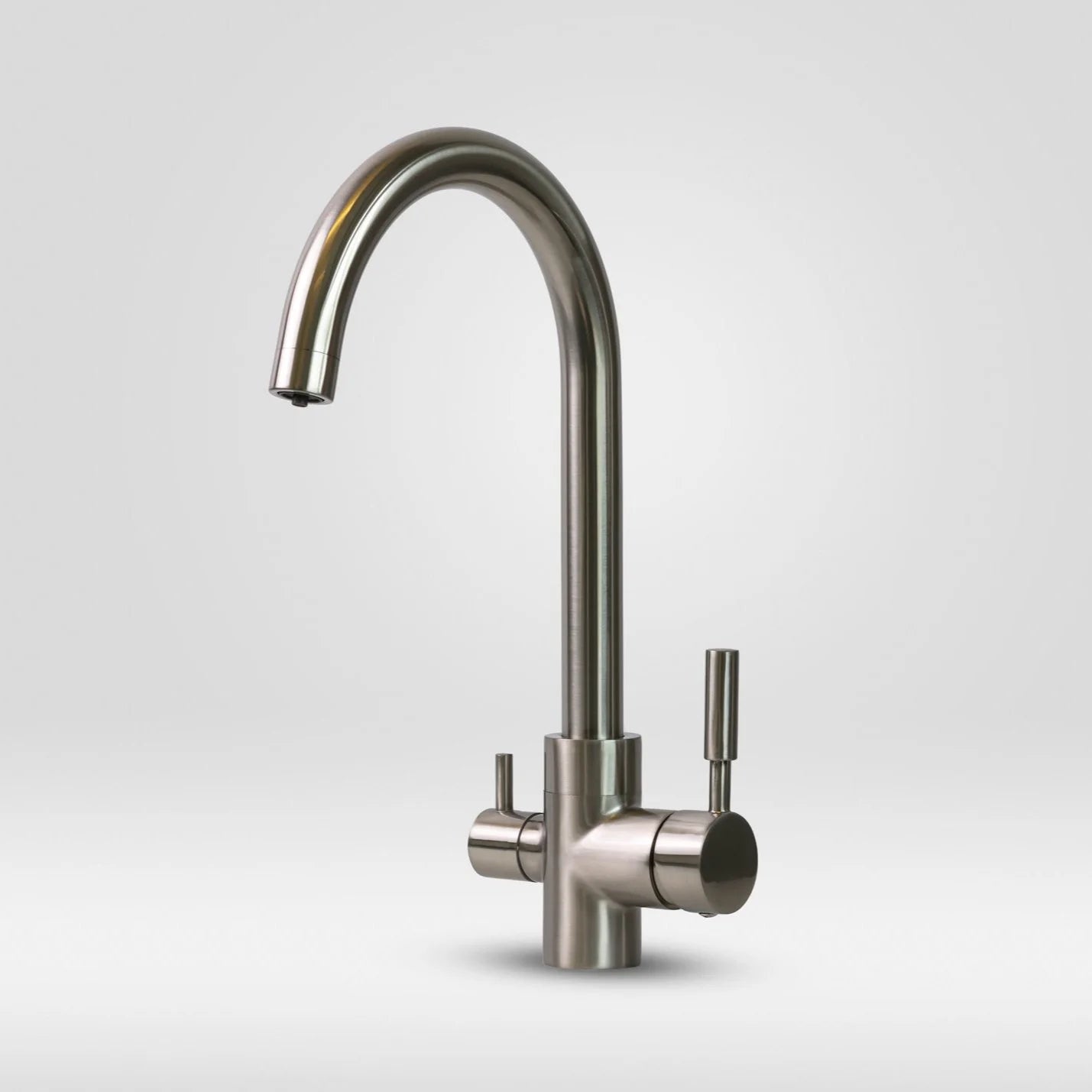
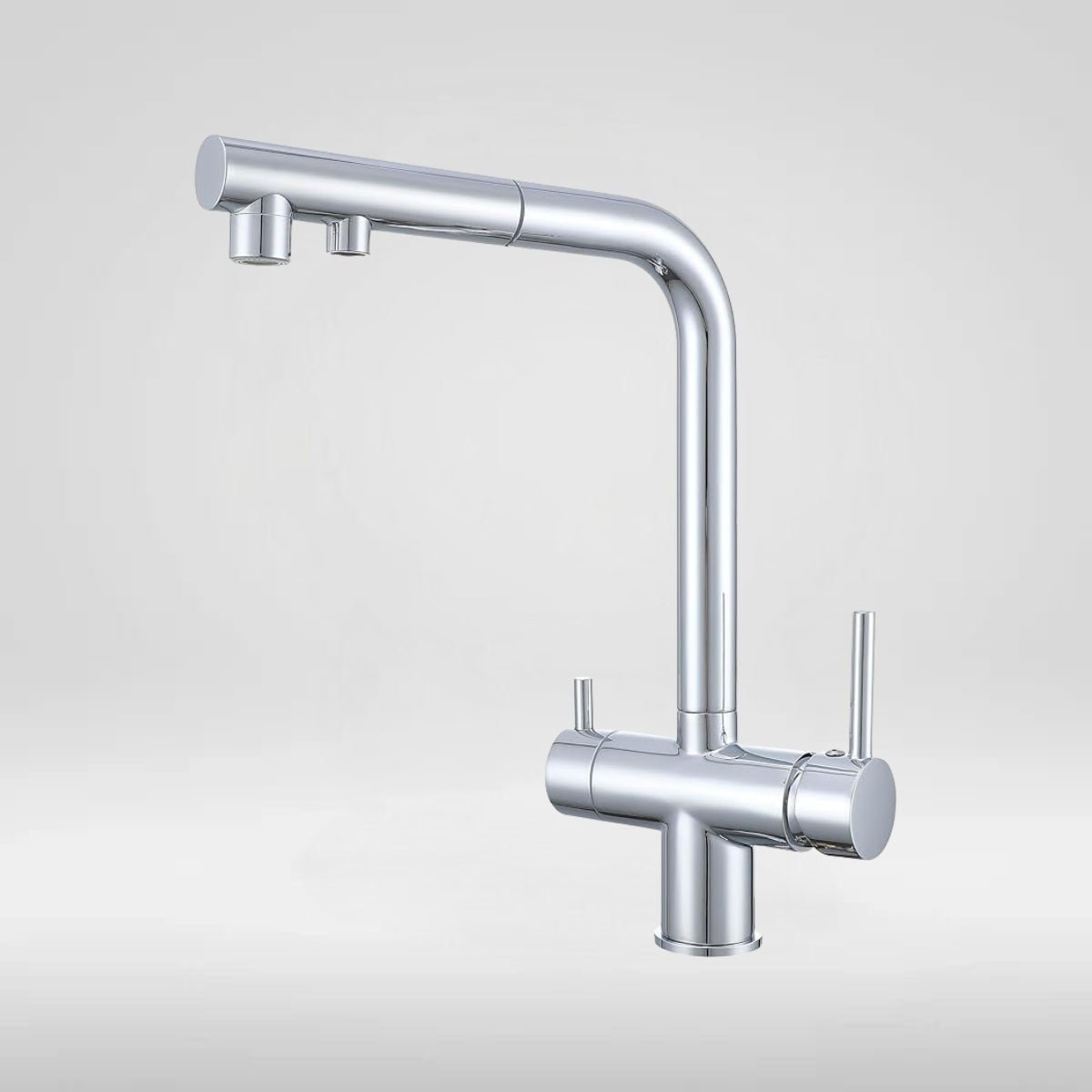
Ease of use for everyday use is crucial. A separate tap for purified water or an integrated three-way valve? Both options have advantages. A three-way valve saves space and looks sleeker, while a separate tap clearly indicates which water has been purified.
Protecting your baby from harmful substances in tap water is an important responsibility. With the right knowledge and a reliable water filter system, you can create a safe environment where your child can grow up healthy. Investing in purified water is an investment in your family's future.