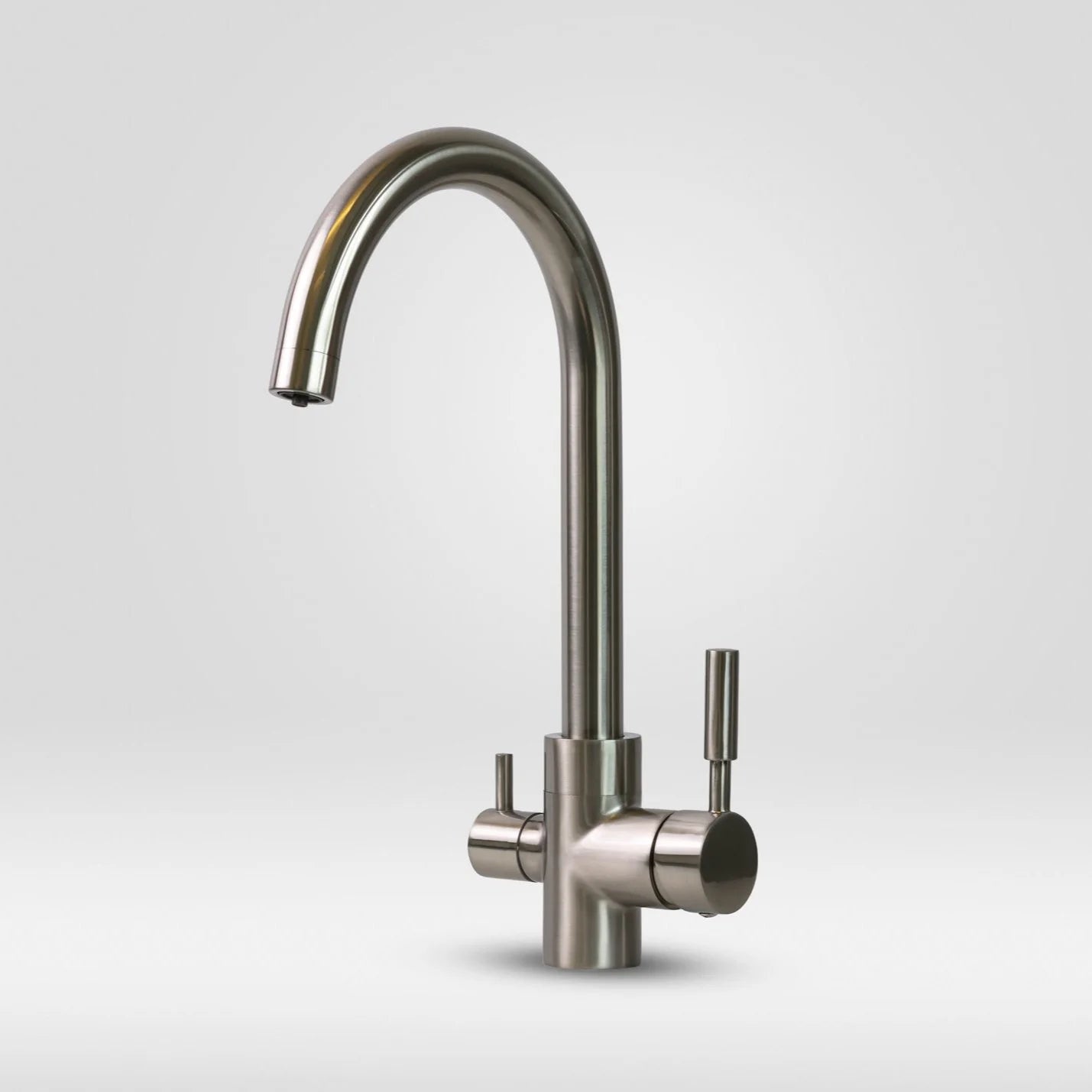
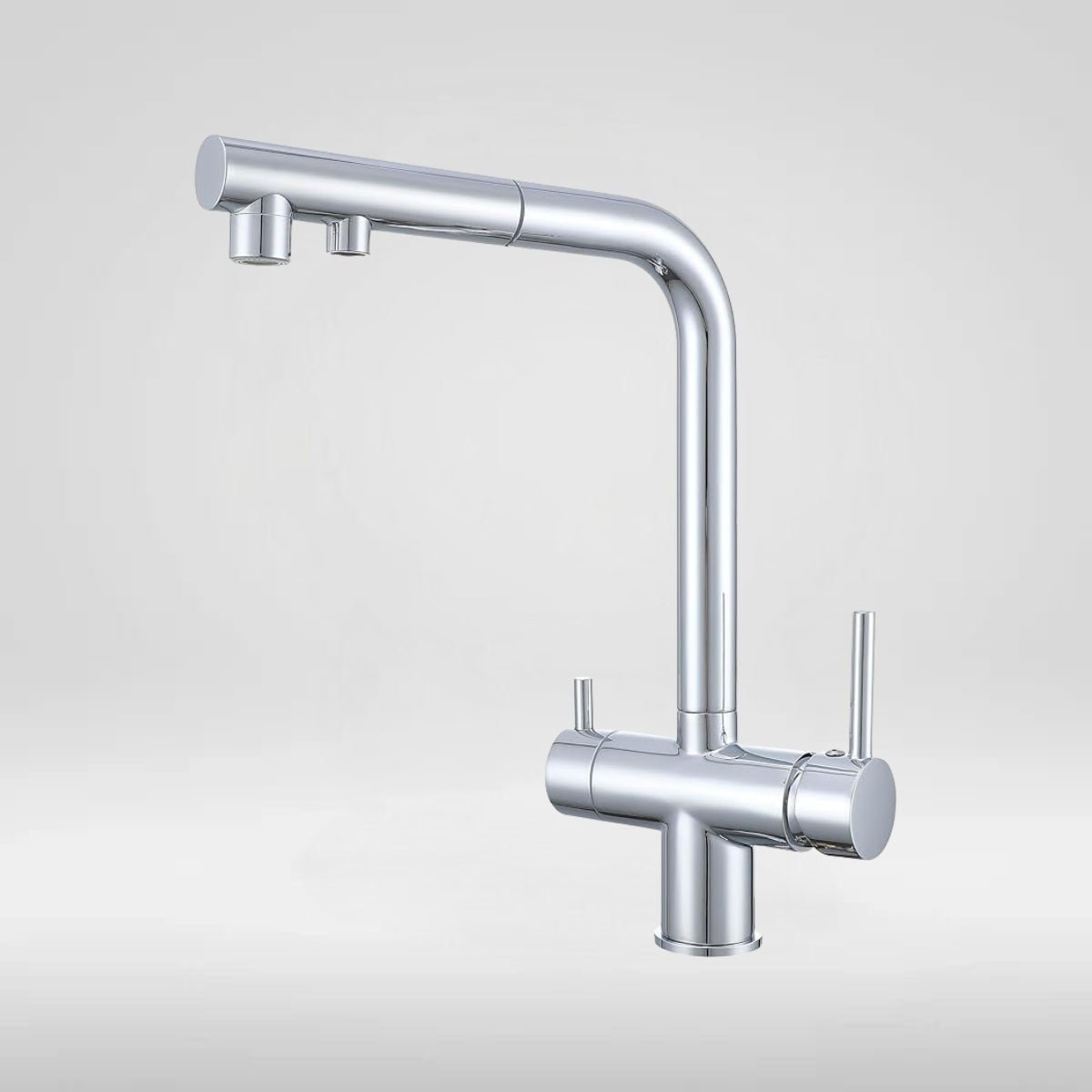
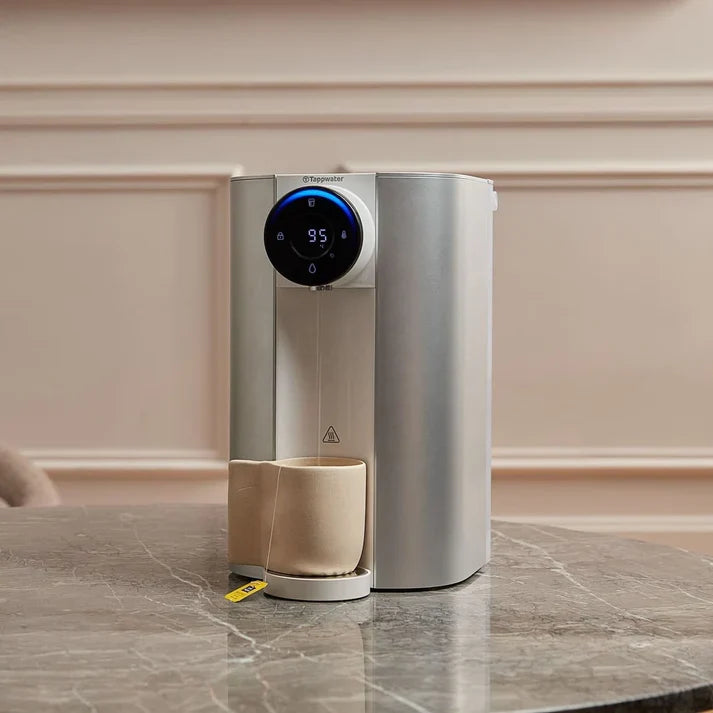
Water filtration systems on a vessel offer numerous benefits. Access to clean drinking water is essential for boat owners, especially during longer voyages. A good onboard water purification system ensures safe drinking water, regardless of the water source. It also increases independence from marina facilities and contributes to a comfortable and healthy boating experience.
What types of water purifiers are there for boats?
When selecting a water purification system for your vessel, it's important to understand the various options available. Each type offers specific advantages suited to different boating patterns and boat types.
- Compact filters: These filters are ideal for smaller boats with limited space. They typically operate with a simple filter system that removes larger particles and some bacteria. They are relatively easy to install and require little maintenance.
- Reverse osmosis systems: These advanced systems, like our The Source, remove up to 99% of unwanted substances from water, including salt from seawater. They are perfect for longer trips and offer the highest level of purification. These systems operate without electricity and are IAMPO NSF/ANSI 58 certified for safe use.
- UV purifiers: This technology uses ultraviolet light to kill microorganisms in the water. They are effective against bacteria and viruses, but do not remove chemical contaminants or particles.
- Chemical treatments: This method uses chlorine or iodine to disinfect water. They are portable and inexpensive, but they alter the taste of the water and offer limited protection against certain contaminants.
| Type of purifier | Effectiveness | Space requirement |
|---|---|---|
| Compact filters | Average | Minimum |
| Reverse osmosis | Very high | Average |
| UV purifiers | High for microorganisms | Small |
| Chemical treatment | Limited | Minimum |
How to install a water purifier on a boat?
Installing a water filter on your boat requires careful planning, but with the right preparation, it's easily achievable. Follow these steps for a successful installation:
- Determine the ideal location: Find a dry, accessible spot near your water tank and pipes. Consider the space required for the system and any filters that may need to be replaced regularly.
- Check the connections: Make sure you have the correct fittings for your specific boat type. Most water purifiers have standard connections, but boat lines can vary.
- Install a pre-filter: This protects your main system from larger particles and extends the life of your water purifier.
- Mount the system: Secure the system to prevent movement while sailing.
- Connect the pipes: Connect the incoming water pipe to the inlet of your system and the outgoing pipe to your drinking water tap.
For compact boats, limited space can be a challenge. Consider a compact water filter system that takes up minimal space yet purifies effectively. For sailboats, a system that operates without electricity is ideal, such as our reverse osmosis solutions.
What are the benefits of a water purifier on a boat?
An onboard water purification system offers numerous advantages that significantly improve the comfort and safety of your cruises:
- Access to clean drinking water: No matter where you're sailing, you always have access to safe drinking water. This is especially valuable when using water from lakes, rivers, or even seawater.
- Independence: You are less dependent on port facilities for replenishing drinking water supplies, allowing for longer trips without frequent mooring.
- Health benefits: Filtered water removes harmful substances such as bacteria, viruses, chlorine, lead, and pesticides. This reduces the risk of waterborne illnesses during your trip.
- Improved taste: Pure water tastes significantly better, which is important for drinking water but also for preparing food and drinks on board.
- Sustainability: By purifying your own water, you reduce your reliance on plastic bottles, contributing to less waste and a lower carbon footprint.
Modern systems like our reverse osmosis filters produce up to 500% less wastewater compared to traditional methods, making them particularly suitable for use on boats where water conservation is crucial.
For optimal results, we recommend regularly checking and replacing your system's filters according to the manufacturer's recommendations.
At PureAqua, we understand the unique challenges of water filtration on boats. Our systems are designed for efficiency and reliability, so you can enjoy your time on the water worry-free, with the assurance of pure, safe drinking water on board.