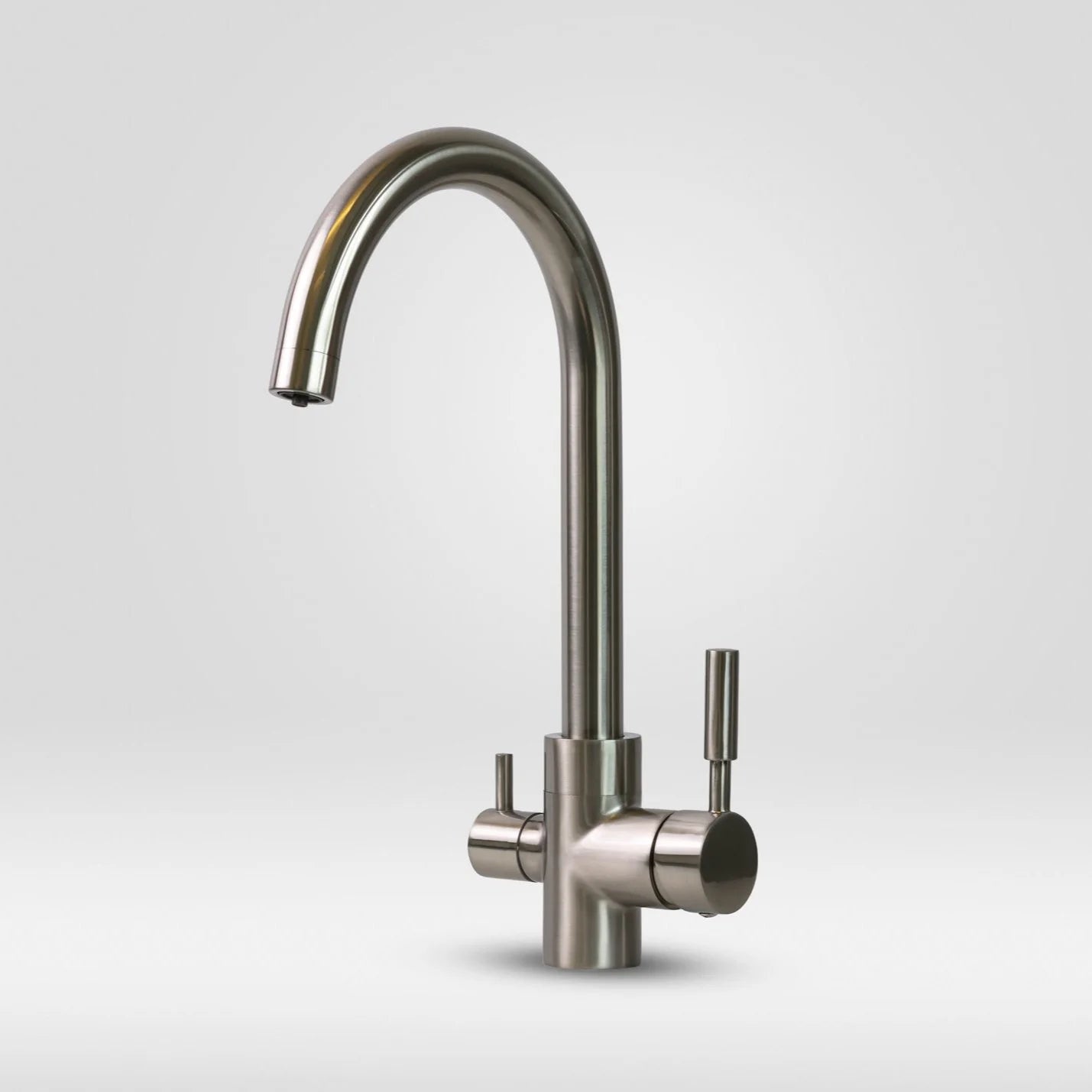
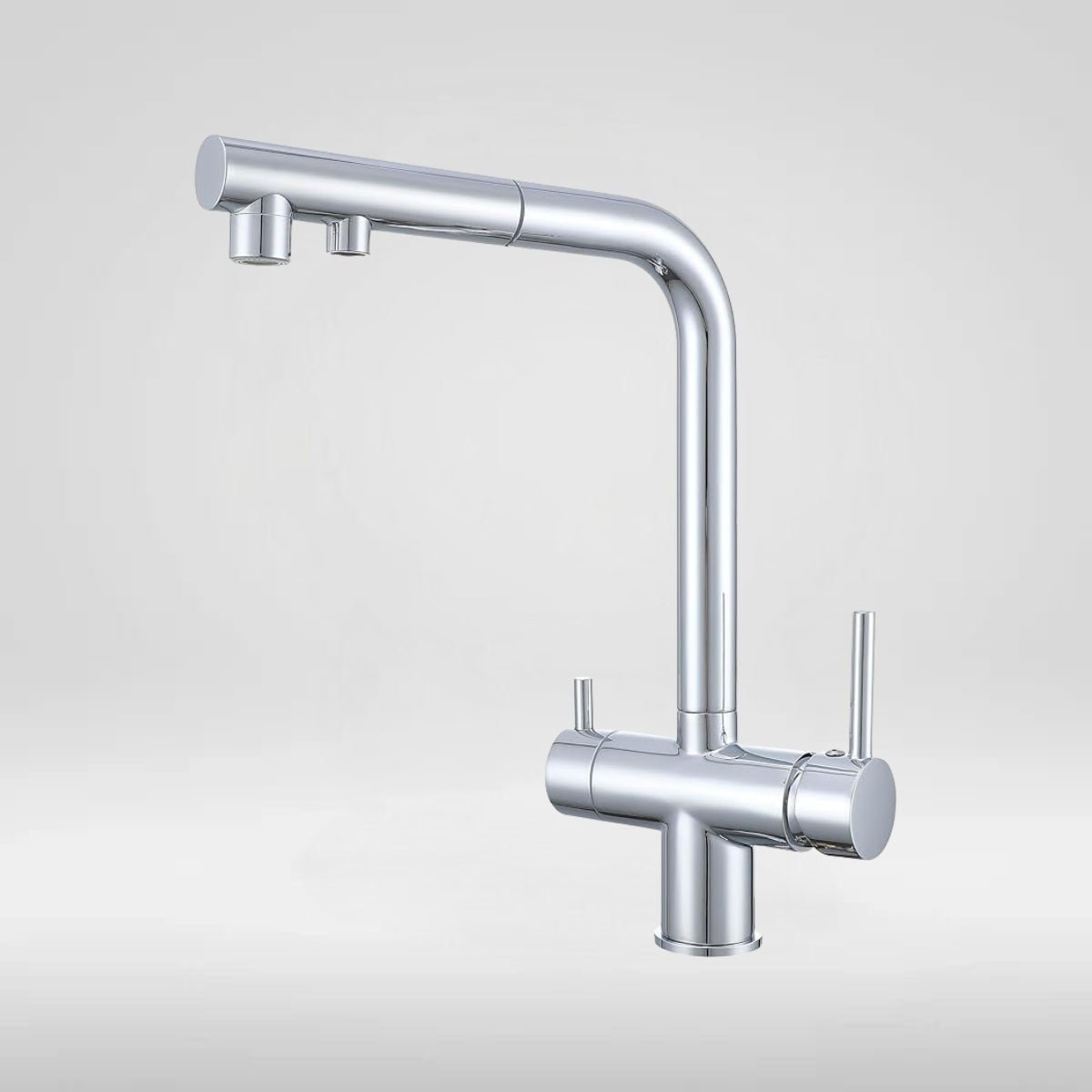
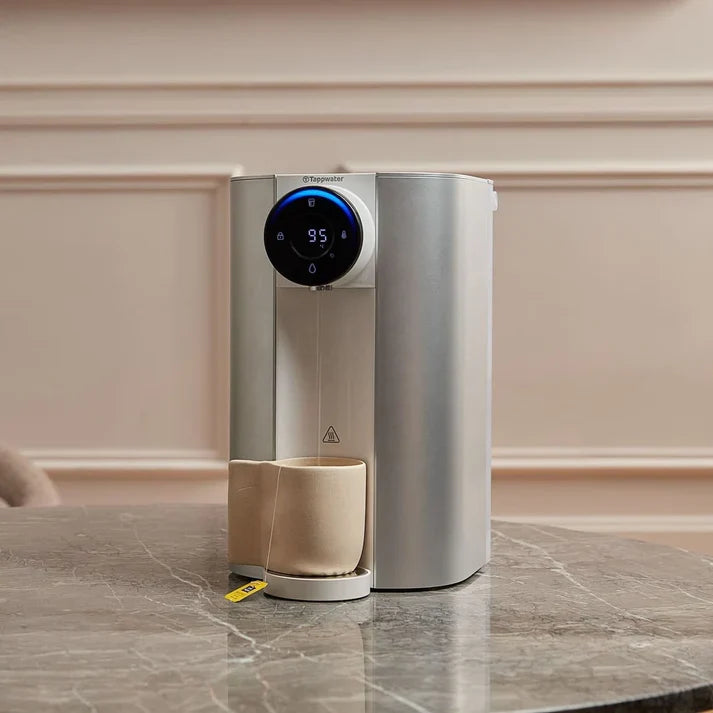
Yes, lead pipes still pose a serious problem in the Netherlands. Although the use of lead in new water pipes has been banned since 1960, it is estimated that hundreds of thousands of Dutch homes still have lead water pipes. This outdated infrastructure can lead to lead contamination in drinking water, which is especially dangerous for pregnant women, babies, and young children. Fortunately, effective solutions exist, such as advanced water filter systems using reverse osmosis technology that can remove up to 99% of lead from tap water.
What are lead pipes and why were they popular?
Lead pipes are water pipes made of lead, a heavy metal used for centuries for water supply. Until the 1960s, lead was the preferred material for water pipes in Dutch homes due to its unique properties. The metal was extremely flexible , allowing plumbers to easily create bends and connections without welding. Moreover, lead was very durable and corrosion-resistant, making it an attractive choice for long-term use.
The popularity of lead pipes stemmed from practical considerations. Plumbers could process the material on-site and adapt it to the specific situation in each home. This flexibility allowed for complex installations without the need for specialized tools. Furthermore, lead was relatively inexpensive and widely available, contributing to its widespread use in Dutch residential construction until its ban in 1960.
How many Dutch houses still have lead water pipes?
An estimated 100,000 to 200,000 homes in the Netherlands still have lead water pipes. These are primarily pre-war homes built before 1960, with the highest concentrations in historic city centers of large municipalities such as Amsterdam, Utrecht, Rotterdam, and The Hague. Lead pipes are also still common in older neighborhoods of medium-sized cities.
Homeowners can check for lead pipes themselves by performing a few simple tests:
- Color and appearance: Lead pipes have a dull gray color and feel heavy.
- Scratch test: Scratching a coin produces a shiny silver streak
- Magnet test: Lead is not magnetic, unlike iron pipes
- Location: Check the water meter, crawl space and old connections in particular.
The geographic distribution of lead pipes largely follows the age of the buildings. Neighborhoods built between 1900 and 1960 are most likely to have lead pipes, while post-war new housing developments almost always have copper or plastic pipes.
What are the health risks of lead in drinking water?
Lead in drinking water poses a serious health risk because it accumulates in the body and can cause neurological damage. In children, lead poisoning can lead to reduced intelligence, behavioral problems, learning disabilities, and stunted growth. Pregnant women are at risk of miscarriage, premature birth, and developmental delays in their unborn child.
Symptoms of chronic lead exposure often develop insidiously and may include:
- Fatigue and concentration problems
- Headache and irritability
- Stomach pain and constipation
- Muscle pain and joint pain
- Memory loss with prolonged exposure
Babies and toddlers up to age 6 are particularly vulnerable because their brains are still developing and they drink relatively more water per kilogram of body weight. The World Health Organization states that there is no safe level of lead exposure, meaning any amount of lead in drinking water poses a potential risk to health.
How do you remove lead from your drinking water without replacing pipes?
The most effective way to remove lead from drinking water without costly pipe replacement is to install a water filter system with reverse osmosis technology . These advanced systems can remove up to 99% of all contaminants, including lead, PFAS, pharmaceutical residues, and pesticides. The water is forced through a semi-permeable membrane, allowing only pure water molecules to pass through.
For optimal protection against lead, the following filtration techniques are most suitable:
| Filtration technology | Lead removal | Advantages | Disadvantages |
|---|---|---|---|
| Reverse osmosis | 95-99% | Also removes other impurities, long-lasting effect | Higher purchase costs |
| Activated carbon filter | 0-50% | Cheap, improves taste | Limited lead removal |
| Ion exchanger | 90-95% | Effective for lead | Regular replacement required |
Using a Total Dissolved Solids (TDS) meter helps monitor water quality . This meter measures the amount of dissolved solids in the water, with lower values indicating purer water. Certified systems according to IAMPO NSF/ANSI 58 standards provide the assurance of proven effectiveness against lead contamination.
When should you replace lead pipes versus filtering them?
The choice between replacing lead pipes or installing water filter systems depends on several factors. Complete replacement of lead pipes costs an average of €3,000 to €8,000 per home, depending on the complexity and accessibility. This investment is permanent but requires extensive work, causing disruption and possibly repairing walls and floors.
Water filtration is often the best choice when:
- The lead pipes are mainly located in the main pipe
- You are renting and do not have permission for pipe replacement
- You want immediate results without major renovations
- Your budget is limited (systems from €500-€1500)
- You also want to remove other contaminants
Pipe replacement is recommended in the following cases:
- Extensive lead pipes throughout the house
- Planned renovation where pipes are still accessible
- Sale of the house in the short term
- Structural leaks or corrosion of the pipes
For many Dutch households, a high-quality filter system offers the ideal balance between effectiveness, cost, and convenience, especially as modern systems also protect against emerging threats such as PFAS and pharmaceutical residues.
Important steps for safe drinking water at home
Ensuring healthy drinking water starts with testing your current water quality. Have your water tested for lead and other contaminants by a certified laboratory or use a reliable home test kit. Regularly measure the water quality with a TDS meter to monitor changes.
Follow these action points for optimal water safety:
- Test your water at least annually for lead and other contaminants
- Choose certified filtration systems with NSF/ANSI 58 certification
- Replace filters according to manufacturer's instructions for continued effectiveness
- In the morning, flush the tap for 30 seconds before drawing water
- Use only cold water for drinking and cooking
- Consider a complete system that protects all taps
Regular maintenance is crucial for the proper functioning of any water filter system. Modern reverse osmosis systems require minimal maintenance, but the filters do need to be replaced on time. By investing in a quality system and maintaining it properly, you effectively protect yourself and your family from lead and other harmful substances in drinking water, now and in the future.