Reading time: ~9 minutes
Quick answer
The best reverse osmosis system removes up to 99% of contaminants (including PFAS, microplastics, heavy metals, and limescale), adds minerals back via a mineral filter for taste, and fits your kitchen in terms of space and installation. If you want convenience and design under the sink, a complete system like The Source from PureAqua is the strongest choice; if you don't want installation, a Countertop RO is the best option. Standalone RO systems with a booster pump are available from around 247 euros, but you handle installation and filters yourself. When comparing, pay attention to purity, flow rate, maintenance, and whether peace of mind (installation plus filter service) is included.
In this article
What is a reverse osmosis system?
A reverse osmosis system (RO system) pushes tap water under pressure through a semi-permeable membrane. That membrane only allows water molecules through and blocks up to 99% of dissolved substances. This leaves you with pure, delicious drinking water, without the contaminants you don't want in your glass. If you want to know exactly how each step works, read our explanation on how reverse osmosis works.
Definition
Reverse osmosis is a filtration technique where water passes under pressure through a membrane with microscopic pores. The membrane separates clean water from contaminants such as PFAS, microplastics, heavy metals, and limescale. A good RO system then adds minerals like calcium and magnesium back via a mineral filter for a natural, fresh taste.
Dutch tap water is safe and of high quality, as confirmed by Milieu Centraal. Nevertheless, more and more households are choosing an RO system for extra certainty: the RIVM advises reducing total PFAS intake, and reverse osmosis is one of the few techniques that effectively removes these substances from your drinking water. Add to that the taste: less limescale means better-tasting water and less buildup in your kettle.
What should you look for when choosing?
Not every system is the same. At PureAqua, we see that customers primarily choose based on five criteria. Go through them before ordering anything to avoid a bad purchase.
1. Purity
What does it filter? A strong membrane removes up to 99% of PFAS, microplastics, heavy metals, pharmaceutical residues, and limescale. Pay attention to the stated filtration rate and independent standards such as NSF/ANSI 58, the standard that specifically applies to reverse osmosis.
2. Mineral filter
Are the minerals added back? Pure osmosis water is very clean but tastes flat because beneficial minerals are also removed. A good system has a mineral filter that adds calcium and magnesium back so that your water tastes fresh and well-rounded. You can read more about this in our article on what you use osmosis water for.
3. Flow and storage
How fast do you get water? Systems with a pressure tank or direct flow deliver a full glass faster. For a family, a smooth flow is nice, especially if multiple people are drawing water at the same time. You can read which filter stages are involved in our explanation of which filter stages an osmosis filter consists of.
4. Installation and space
Does it fit under your sink? An under-sink system is invisible but requires space and a connection. If you don't have that space, or if you are renting, then a system on the counter without installation is more convenient.
5. Maintenance and peace of mind
Who handles the filters? Changing filters is part of it. It's nice if filter replacement, installation, and warranty are included in a package or subscription, so you don't have to worry about it yourself. If you are doubting between buying and a monthly fee, read when a subscription turns out cheaper than purchasing.
Under the sink or on the counter?
Broadly, there are two routes to pure water via reverse osmosis. Which one is best depends on your kitchen and your wishes.
Under-sink system with its own faucet
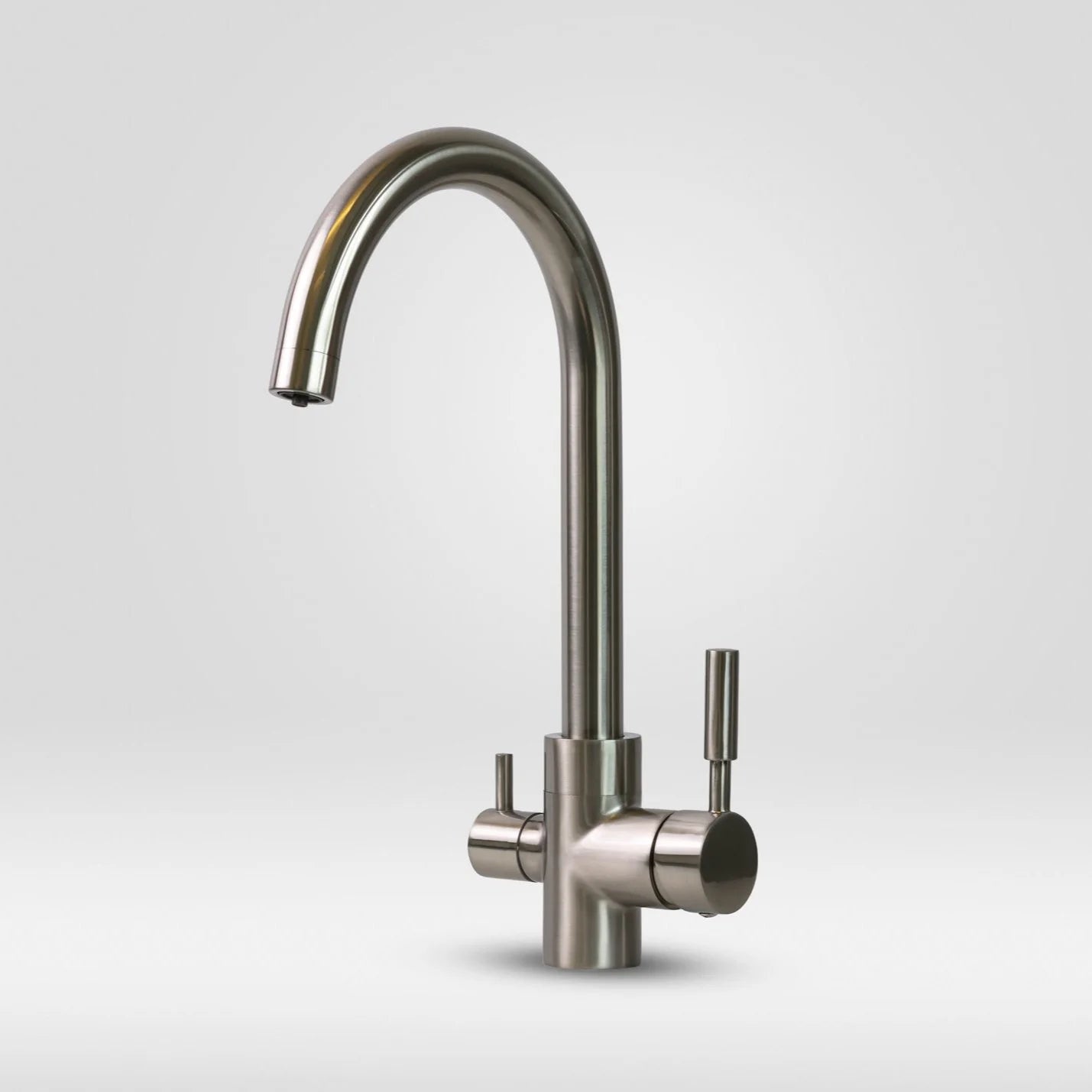
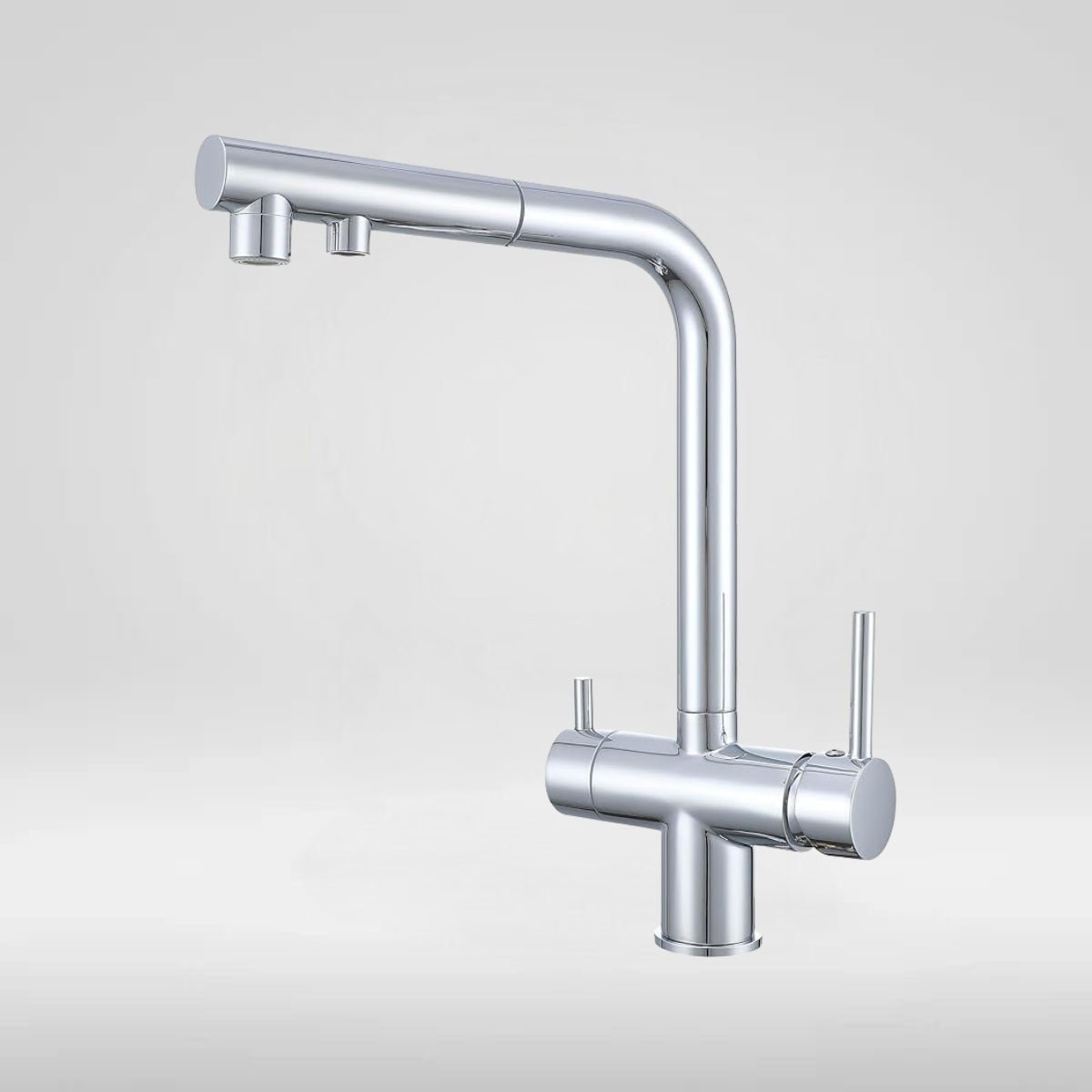
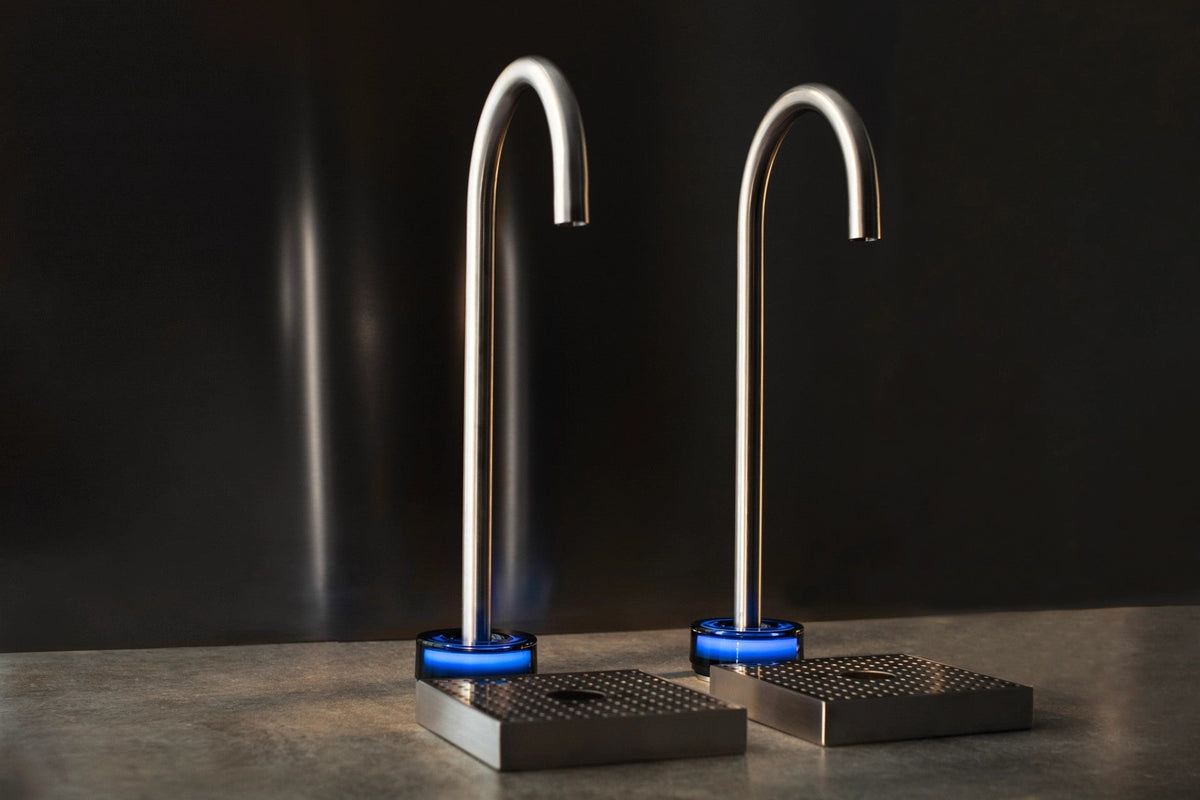
A complete system like The Source sits invisibly under your sink and delivers pure water via a separate, stylish pure-water faucet. Ideal if you want a sleek kitchen and draw a lot of water daily. A PureAqua specialist installs it in 30 to 60 minutes.
System on the counter (Countertop RO)
A Countertop RO stands loose on your counter and works plug and play, without installation. You refill it or simply connect it. Perfect for renters, small kitchens, or if you want to remain flexible. Want to know more? Read how to get osmosis water without installation.
Systems and brands compared
If you search for "the top 5 water filters," you'll mainly find individual products online. More important than just a brand name is which type of system suits you. Below, we list the most well-known brands and system types alongside PureAqua, with their purification and an indicative price. Prices and specifications vary per version and provider, so always check with the source before ordering.
| Brand or system | Type | Purification | Mineral filter | Price (indicative) |
|---|---|---|---|---|
| PureAqua The Source | Under-sink with own faucet | Up to 99%, incl. PFAS | Yes, optional | From 699 euros or 29 euros per month |
| PureAqua Countertop RO | On the counter | Up to 99%, incl. PFAS | Yes | 495 euros |
| Waterdrop G3P800 | Under-sink, tankless | High, multi-stage | Optional | Varies by version |
| BWT reverse osmosis | Under-sink | High | Yes, magnesium | Varies by version |
| AquaTru | On the counter | High | Optional | Varies by version |
| Standalone RO system with booster pump | Under-sink | High, variable | Often not standard | Approx. 247 to 549 euros |
| Filter pitcher or gravity filter | On the counter | Limited, no true RO | Not needed | Low |
Most brands provide a strong membrane that purifies up to around 99%; the difference lies primarily in service and convenience. Standalone systems with a booster pump and brands like Waterdrop or AquaTru are competitively priced, but you install and maintain them yourself. BWT offers more guidance. PureAqua is deliberately on the service side: installation by a specialist, a mineral filter for taste, 100 days trial, 2 years all-in warranty, and a subscription that automatically handles filter replacement. If you want to tinker yourself and keep a close eye on the price, then a budget brand is logical; if you want pure water without worrying about it, then you pay at PureAqua for the peace of mind. A filter pitcher is the cheapest option but doesn't remove PFAS or heavy metals the way reverse osmosis does; if you are doubting between filter types, first compare water filter, water purifier, and reverse osmosis side by side.
Not sure which system fits your kitchen?
Our specialists provide free customized advice, from under-sink to Countertop. This way, you choose correctly the first time.
View pure water faucets View Countertop ROWhat does a reverse osmosis system cost?
The costs consist of two parts: the purchase and annual maintenance. Standalone systems with a booster pump are available from around 247 to 549 euros, but then you arrange installation and filters yourself. A complete under-sink system with service starts at approximately 699 euros, or you spread the costs via a subscription of 29 euros per month in which installation and filters are included.
For maintenance, count on filter replacement. A set of pre-filters and post-filters costs roughly 100 to 150 euros per year; the membrane usually lasts 2 to 3 years. If you calculate that per liter, pure water from your own tap is considerably cheaper than bottled water from the supermarket. At PureAqua, the subscription keeps those costs predictable, and the service ensures that your filters are replaced on time. If you want to tinker yourself and keep a close eye on the price, then a budget brand is logical; if you want pure water without worrying about it, then you pay at PureAqua for the convenience.
Disadvantages and how to solve them
To be fair: reverse osmosis also has points of attention. The good news is that a modern system largely solves them. We list all the downsides of reverse osmosis separately, but these are the most important ones.
- Minerals removed: RO also removes beneficial minerals. A mineral filter adds calcium and magnesium back, so with the right setup, this is not a problem.
- Water consumption: rinsing water is created during filtration. Efficient membranes and a good pressure ratio limit that loss significantly.
- Space: an under-sink system requires space under the sink. If you don't have that, a compact Countertop RO is the solution.
Installation and maintenance
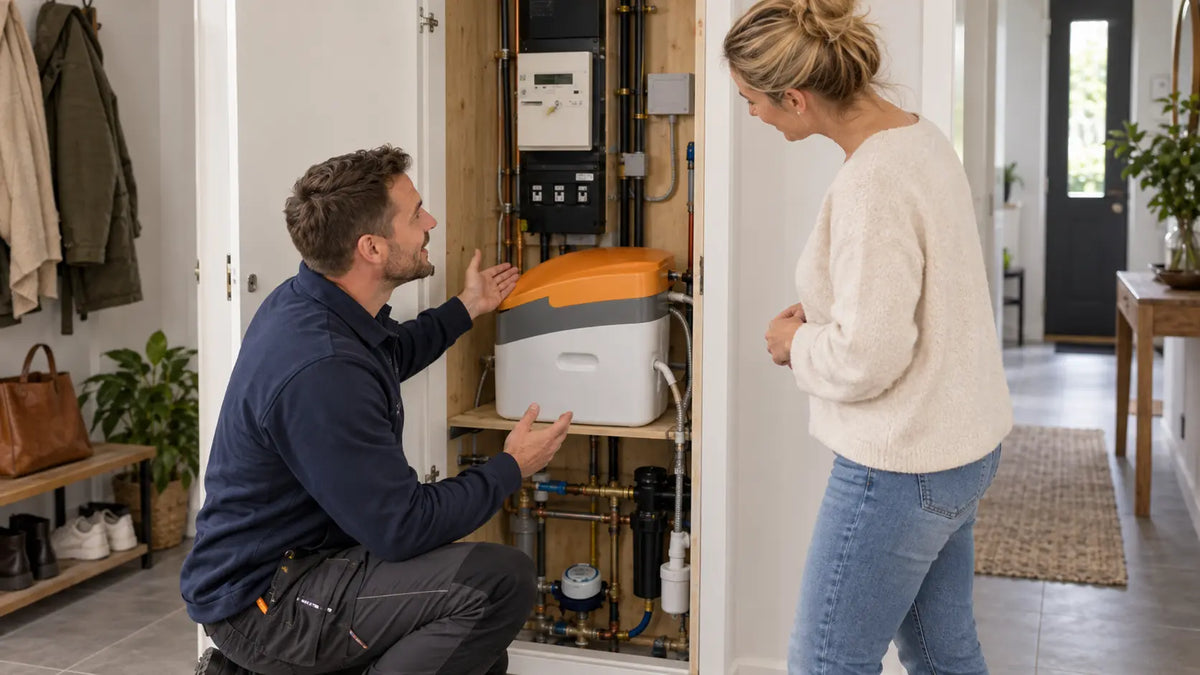
An under-sink system is connected to your cold water line and gets its own faucet on the counter. A PureAqua specialist handles this expertly, usually within an hour. Prefer to do it yourself? Then there is a DIY installation kit with John Guest couplings. A Countertop RO requires no installation: connect or fill it, and you tap pure water immediately.
Maintenance is simple: replace filters on time and check occasionally. With a subscription or service package, the correct filters are automatically sent to your home so your system continues to deliver pure water for years. This way, you keep 100 days of trial and 2 years of warranty as a safety net.
Frequently asked questions
What is the best RO system?
The best RO system is the one that fits your kitchen and wishes. For a sleek kitchen with heavy daily use, an under-sink system like The Source is the strongest choice, with up to 99% purification, a mineral filter, and complete peace of mind. If you don't want installation, a Countertop RO is the best option.
What are the top 5 water filters?
Online lists often mention reverse osmosis systems like The Source and the Countertop RO from PureAqua, tankless under-sink systems like the Waterdrop G3P800, countertop systems like AquaTru, RO installations from BWT, and standalone systems with a booster pump. More important than its place on a list is which type suits your kitchen: under-sink for convenience and design, countertop for flexibility.
Can I purify water at home with osmosis?
Yes. A reverse osmosis system purifies your tap water right at home up to 99%. An under-sink system is connected to the cold water line by a specialist, and a Countertop RO works plug and play on the counter, without installation. Both deliver pure drinking water directly from your own kitchen.
What is the difference between osmosis and reverse osmosis?
In natural osmosis, water naturally flows from a low to a high concentration of dissolved substances. With reverse osmosis, you reverse this process: you force water under pressure in the other direction, through a membrane that blocks the dissolved substances. As a result, you are left with pure water on one side and the contaminants on the other.
What are the disadvantages of reverse osmosis?
The main disadvantages are that minerals are also filtered out, that wastewater is produced, and that an under-sink system requires space. A mineral filter solves the mineral issue, efficient membranes limit water consumption, and a Countertop RO is the solution if you have limited space.
Can I wash glasses with osmosis water?
Yes. Because osmosis water contains virtually no limescale or dissolved substances, it dries streak-free. That is why osmosis water is widely used for washing glasses, cleaning windows, and washing cars. For drinking water, you add minerals back via a mineral filter; this is not necessary for cleaning purposes.
Is boiled water the same as osmosis water?
No. Boiling kills bacteria, but leaves limescale, salts, PFAS, and heavy metals in the water; these do not evaporate. Reverse osmosis actually removes these dissolved substances, up to about 99%. Boiled water and osmosis water are therefore not interchangeable.
What does 100 liters of osmosis water cost?
If you buy osmosis water separately, you pay approximately 0.15 to 0.30 euros per liter, depending on the quantity. With your own system at home, the cost price per liter is a lot lower, because you only pay for tap water plus filter replacement. Especially with daily use, you will quickly earn back the cost of your own system.
Does reverse osmosis really remove PFAS?
Yes. Reverse osmosis is one of the most effective techniques for removing both short and long PFAS chains from water, up to about 99%. The RIVM (National Institute for Public Health and the Environment) advises reducing total PFAS intake, and an RO system helps you further reduce exposure via drinking water at home.
Conclusion
The best reverse osmosis system is not necessarily the most expensive or the best-known, but the system that fits your kitchen, your water consumption, and the level of convenience you desire. Pay attention to purity up to 99%, a mineral filter for taste, a smooth flow rate, and whether installation and filter service are included. If you choose an under-sink system with its own tap and full service, The Source is the logical choice; if you want to remain flexible without installation, the Countertop RO is ideal; and if you are mainly looking for a sharp price, a separate system with a pressure pump is worth considering. This way, you drink pure, tasty water from your own tap every day.
Pure water from your own tap, arranged without any worries
Request free advice or assemble your system in a few steps, from tap to filter service.
View the pure water taps Request free adviceRead also
- Water filter, water purifier or reverse osmosis: what to choose?
- Osmosis water without installation: how does a Countertop RO work?
- Osmosis filter: which filter stages does it consist of?
- Buying or renting an osmosis device: which is more economical?
- How does reverse osmosis work? Explained step by step