Quick answer
Osmosis water can be used wherever pure, low-calcium water makes a difference. The most common applications are pure drinking water, coffee and tea, cooking, baby food, aquariums, plants, irons, coffee machines, and streak-free washing of windows and cars. With a mineral filter, you add calcium and magnesium back into the water, giving it a fresh, natural taste for daily drinking.
Table of contents
What is osmosis water?
Osmosis water is water that has been purified using reverse osmosis. In this process, tap water is forced under pressure through a semi-permeable membrane that blocks up to 99% of dissolved substances. What remains is exceptionally pure, low-calcium water with very low conductivity. Because it contains so few substances, you can use osmosis water for much more than just drinking.
The membrane has pores of approximately 0.0001 microns. This means that not only lime and salts are filtered out, but also unwanted substances such as PFAS, microplastics, drug residues, and pesticides. If you want to know more about the technology behind it, read about how reverse osmosis works exactly. Do not confuse it with demineralized water: we explain separately how osmosis water and demineralized water differ from each other.
Definition
Osmosis water: water that has been purified via reverse osmosis, whereby up to 99% of dissolved substances and contaminants have been removed. It is low in calcium and minerals, unless calcium and magnesium are added back via a mineral filter.
Why is osmosis water so versatile?
The power of osmosis water lies in what is not in it. Dutch tap water is often hard: in large parts of the country, the hardness is between 7 and 14 German degrees, which equates to a significant amount of dissolved lime. This lime deposits in appliances and leaves spots on glass and paint. Tap water abroad also differs primarily in hardness and disinfection, not in safety.
Osmosis water contains virtually no lime or salts anymore. As a result, it dries spot-free, does not clog steam holes, and does not damage sensitive equipment. At the same time, it is clean enough to drink, provided you replenish the minerals. One source of water thus covers your drinking water as well as a long list of household and technical tasks.
At PureAqua, we see that customers mainly choose osmosis water because it fulfills two needs at once: healthy, tasty drinking water at the tap and, at the same time, low-calcium water for the iron, plants, or the aquarium.
What do you use osmosis water for?
Osmosis water has dozens of applications, from daily drinking water to technical tasks. Below are the most used ones, categorized.
Drinking, coffee, and cooking
The most popular application is pure drinking water. Because osmosis water removes up to 99% of unwanted substances, you get water without a chlorine taste, lime, or other off-flavors. For coffee and tea, this makes a noticeable difference: baristas consciously use pure water because it allows the flavor of the beans to emerge more cleanly. Pure, low-calcium water is also a pleasant base for cooking, making ice cubes, and baby food.
Important: to drink osmosis water daily, add calcium and magnesium back via a mineral filter. This provides pure water with a full, natural taste instead of flat, mineral-poor water.
Aquariums, terrariums, and fish
Osmosis and the aquarium have gone hand in hand for years. Tap water contains dissolved substances and is often too hard for sensitive fish. Fish from the Amazon region, such as the discus, require very soft water. By mixing osmosis water with aquarium water, you can precisely adjust the hardness and pH. In terrariums and vivariums, glass also remains free of lime streaks if you spray with osmosis water instead of tap water.
Plants and garden
More and more hobbyists are watering their plants with osmosis water. Sensitive species such as orchids and carnivorous plants thrive on mineral-poor, lime-free water. An orchid that previously grew poorly can develop healthy roots and beautiful blooms with osmosis water. In professional horticulture, crops are intentionally irrigated with osmosis water so that plants receive only the added nutrients without unwanted salts.
Cleaning windows, cars, and solar panels
The most visible application is cleaning. Osmosis water dries streak- and spot-free because it contains no lime that leaves residue. Window cleaners have used it for years for windows and solar panels. At home, you can also wash your windows or car with osmosis water without having to dry them afterwards: the water dries spot-free on its own.
Appliances sensitive to lime
Lime is the greatest enemy of many household appliances. With osmosis water, you prevent limescale in irons and steam systems, ensuring the steam holes do not clog. You need to descale coffee machines less often and they last measurably longer. Central heating systems and car batteries are also preferably filled with mineral-poor water to limit deposits.
Benefits of osmosis water at home
Making your own osmosis water has several clear advantages, especially regarding purity, lime, and costs:
- Highly pure: reverse osmosis removes up to 99% of dissolved substances, including PFAS, microplastics, drug residues, and pesticides.
- No limescale: without calcium and magnesium, no limescale forms in appliances or on glass.
- Longer appliance lifespan: irons, coffee machines, and kettles last longer and require less maintenance.
- Tasty, neutral taste: without chlorine and lime, you taste coffee, tea, and water as they were intended.
- More economical than bottled: making your own water is more sustainable and cheaper in the long run than constantly hauling bottles of spring or demineralized water.
- Versatile from one source: drinking, cooking, plants, aquarium, and cleaning with the same water.
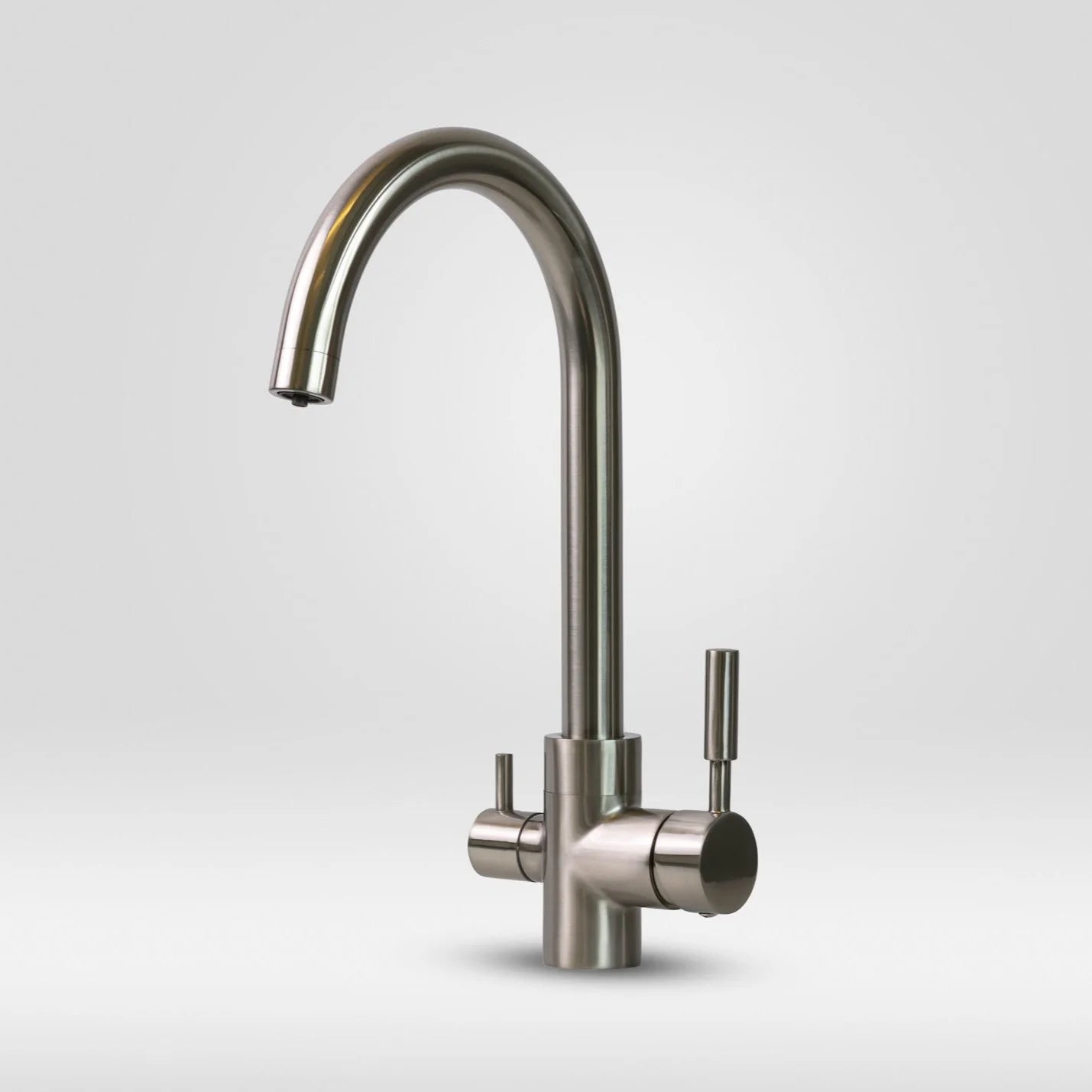
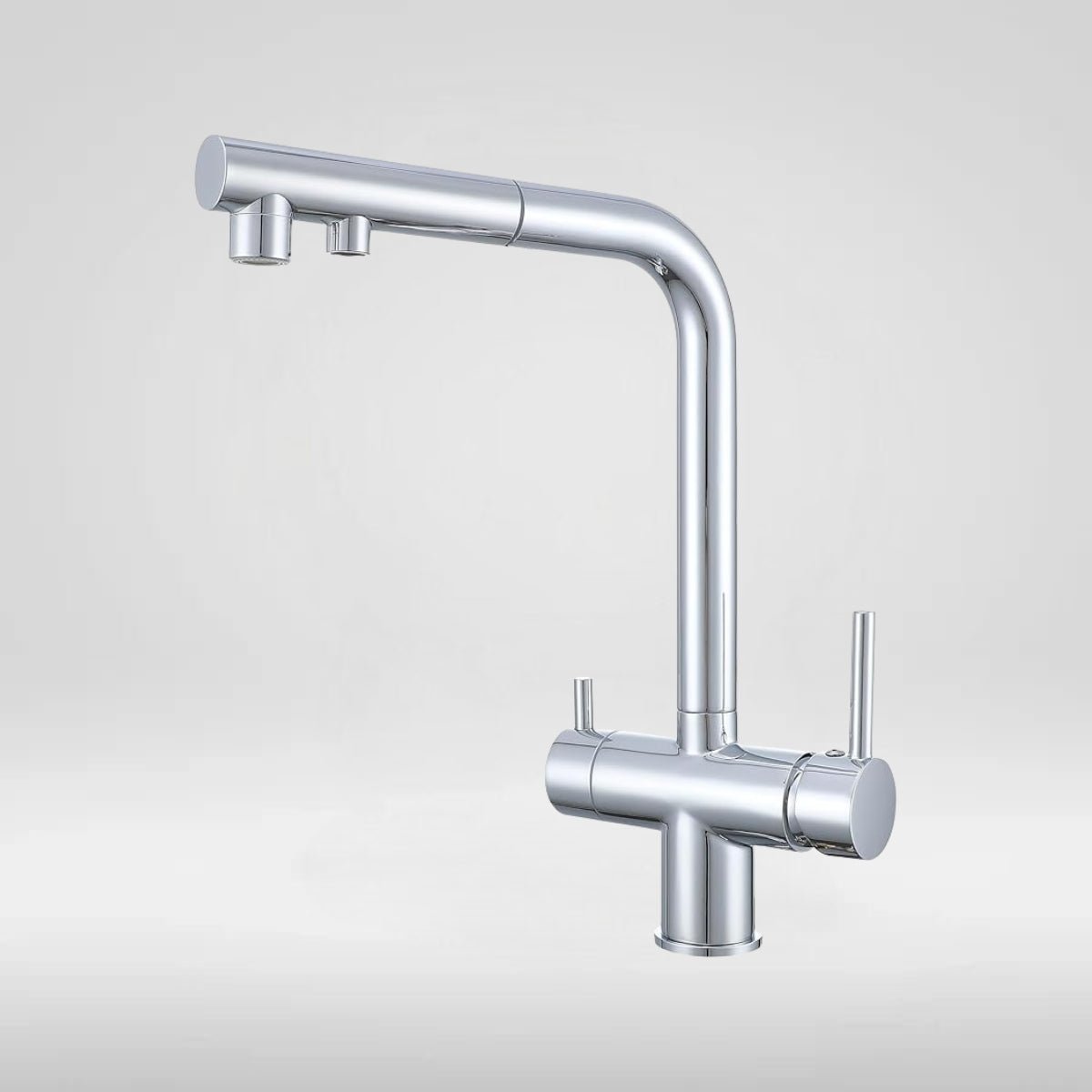
At PureAqua, the core system, The Source, also works entirely without electricity. It sits invisibly in the kitchen cabinet and delivers osmosis water via a stylish pure water faucet of your choice.
Points of attention for osmosis water
Osmosis water is versatile, but there are a few things to keep in mind.
Pure osmosis water is mineral-poor. According to the World Health Organization (WHO), drinking water contributes to the daily intake of calcium and magnesium. Water with virtually zero minerals does not provide that contribution and can also taste a bit flat. For daily drinking, a mineral filter is therefore recommended so that essential minerals are added back.
Additionally, an osmosis system produces some waste water in addition to pure water. Modern systems are much more efficient in this regard than older models. For heavy use, such as a large aquarium or koi pond, consider the ratio between pure water and waste water when choosing your system. We also list what else to look out for with an osmosis system.
Comparison table: osmosis water vs. alternatives
| Water source | Purity | Lime-free? | Suitable for drinking? | Long-term costs |
|---|---|---|---|---|
| Osmosis water (with mineral filter) | Up to 99% pure | Yes | Yes, with fresh taste | Low after purchase |
| Brita jug / filter jug | Limited, mainly chlorine | Partially | Yes | Medium, frequent replacement |
| Bottled / spring water | Variable | No | Yes | High, continuous |
| Demineralized water from the store | Mineral-poor | Yes | Not as a primary source | Medium with heavy use |
| Tap water | Meets standard, contains lime | No | Yes | Very low |
Buying advice: making your own osmosis water
If you only use osmosis water occasionally for your iron, a bottle of demineralized water from the store is sufficient. If you want to use it more often or also as drinking water, making it yourself is almost always cheaper and more sustainable than buying bottles every time. We calculate exactly what a liter of osmosis water costs if you buy it and where the break-even point towards making it yourself lies.
If you are looking for a plug-and-play solution without installation, the Countertop RO is handy: place it on the counter and tap osmosis water immediately. Such a countertop system can be used without remodeling, which makes it attractive for renters. If you want an invisible system in the kitchen cabinet with a neat pure-water faucet, then The Source is the more elegant solution. Both provide osmosis water that you can make drinkable and tasty with a mineral filter.
Make your own pure osmosis water?
Discover the Countertop RO from PureAqua: plug and play, up to 99% pure, and with a mineral filter for a fresh taste. 100-day trial, 2-year all-in warranty, 950+ customers with a 9+ rating, and free shipping in the Netherlands and Belgium. Not sure which system fits? Request free, no-obligation advice.
View the Countertop RO Request free adviceFrequently asked questions
Can you just drink osmosis water?
Yes. Pure osmosis water is not harmful, but it is mineral-poor. For daily drinking, you add calcium and magnesium with a mineral filter so that the water gets a fresh, natural taste. With The Source from PureAqua, this happens automatically, entirely without electricity.
Is osmosis water good for plants?
For many plants, yes. Sensitive species such as orchids and carnivorous plants thrive on lime-free, mineral-poor water. For regular houseplants, you can optionally mix osmosis water with tap water so that it still contains some nutrients.
Why do window cleaners use osmosis water?
Because osmosis water contains virtually no lime, it dries streak- and spot-free. Windows and solar panels therefore do not need to be dried afterwards. That makes osmosis water popular for professional window cleaning and also usable at home for windows and cars.
Can I use osmosis water in my iron and coffee machine?
Yes, and that is precisely one of its strongest applications. Without lime, the steam holes of your iron do not clog, and you need to descale your coffee machine much less often. Appliances last measurably longer as a result.
How do I make osmosis water myself?
With a reverse osmosis system. The Countertop RO from PureAqua makes osmosis water plug and play on the counter, without installation. The Source is placed invisibly in the kitchen cabinet and delivers the water via a pure-water faucet. Both work without electricity.
Does osmosis water also remove PFAS and microplastics?
Yes. Reverse osmosis blocks up to 99% of dissolved substances, including PFAS, microplastics, drug residues, and pesticides. This makes osmosis water not only low in lime, but also exceptionally pure.
Conclusion
Osmosis water is one of the most versatile types of water you can have in your home. You can use it for pure drinking water, coffee, cooking, and baby formula, but just as well for aquariums, plants, streak-free cleaning of windows and cars, and keeping your iron and coffee machine free of limescale. One source therefore covers a long list of jobs.
If you also want to drink osmosis water, a mineral filter is the key: it adds back calcium and magnesium for a natural taste. With a system like The Source from PureAqua, you can create osmosis water yourself at the tap, which removes up to 99% of unwanted substances and works without electricity. More than 950 customers have preceded you, with a rating of 9 or higher.
Ready for customized pure water?
View the Countertop RO for osmosis water without installation, or discover the built-in systems with a pure-water tap and a 4-in-1 faucet that combines boiling, chilled, and filtered water. 100-day trial, 2-year all-in warranty, and free shipping in the Netherlands and Belgium. Would you prefer personal advice first? That is free and without obligation.
View the Countertop RO View the 4-in-1 faucet Request free advice